Sustainable Craft Projects Using Recycled Materials

Innovative Approaches to Waste Reduction
In recent years, the conversation around sustainability has evolved significantly. Many people are now prioritizing methods that address environmental issues, making a shift towards more sustainable lifestyles. This movement is particularly amplified in the crafting community, where there is a growing emphasis on sustainable craft projects using recycled materials.
Engaging in recycling is not only a practical necessity but also a creative outlet. Crafting allows individuals to transform unwanted items into something valuable and unique. For instance, upscaling fashion has become an exciting trend where individuals take old clothing—whether it’s a torn shirt or a pair of distressed jeans—and reinvent them as fashionable accessories. Think of a statement bag crafted from vibrant fabric remnants or a necklace made from discarded buttons. This revitalization not only promotes personal style but encourages sustainable consumption.
Creative Ideas for Sustainable Projects
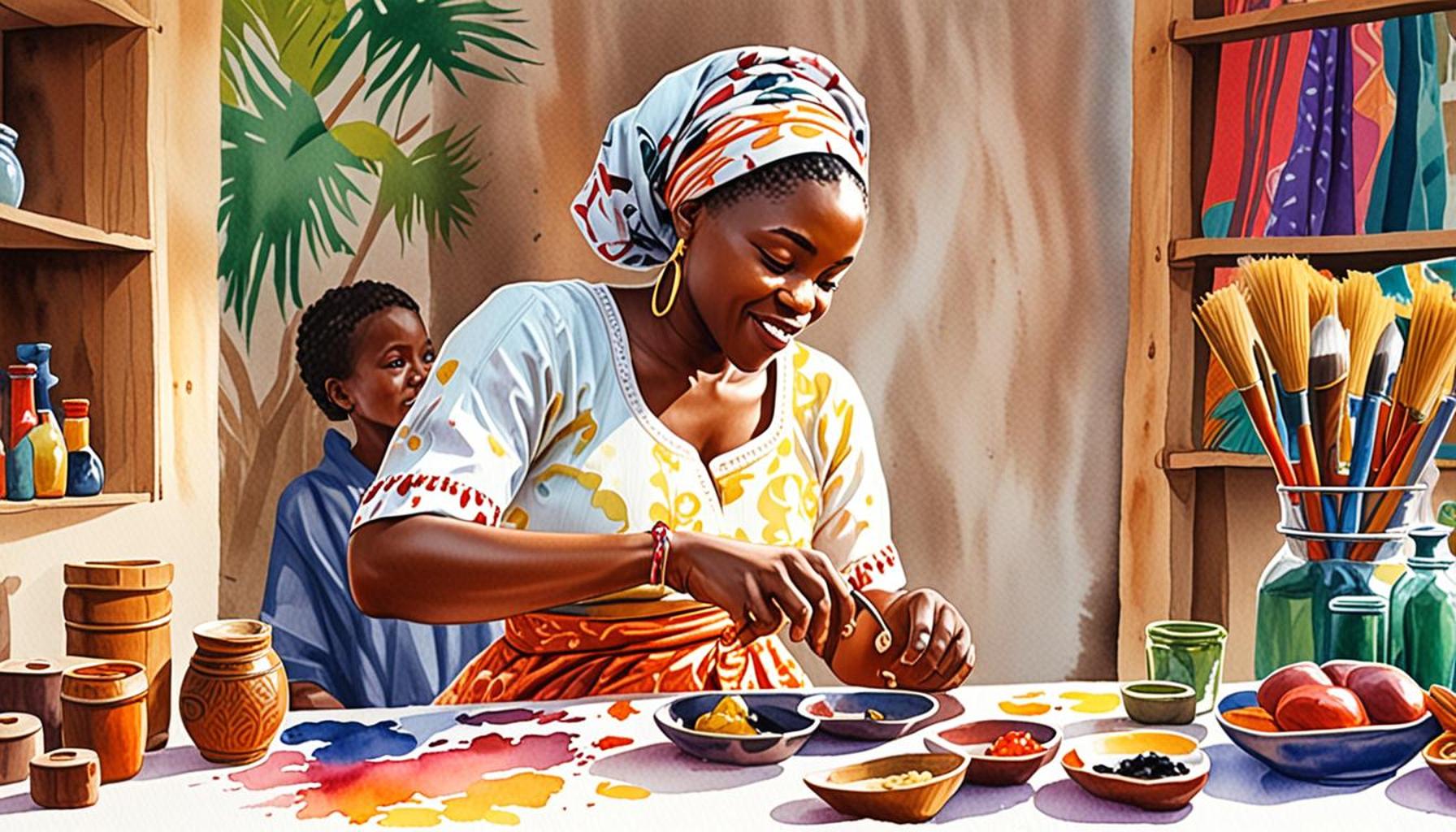
The possibilities for using recycled materials in home decor are endless. Consider reimagining glass jars or plastic bottles. When carefully painted or wrapped in twine, they can become eye-catching vases or organizers for desks, thereby adding charm to your living space while reducing waste. Moreover, many artisans in Nigeria have successfully taken this potential a step further, creating unique products such as decorative lamps made from bottle caps or furniture crafted from pallets. These innovations speak to local creativity and resourcefulness.
Art projects present another platform for sustainable crafting. Local markets often boast an assortment of scrap materials, perfect for aspiring artists looking to create sculptures or wall art. By using scrap materials, artists not only save money but also produce environmentally friendly pieces. Imagine a stunning mural crafted from broken tiles or a sculpture formed from discarded plastics, both of which could ignite conversations about wastefulness and environmental impact.
The Wider Impact of Sustainable Crafting
Implementing these projects in Nigeria can substantially improve community and environmental well-being. By participating in sustainable crafts, individuals can:
- Reduce waste: Each crafted item reduces the volume of trash that ultimately ends up in landfills, encouraging others to think critically about waste management.
- Build community: Workshops centered around sustainable crafting can foster collaboration among community members. It opens a channel for sharing ideas and skills, creating a tight-knit community focused on common goals.
- Educate others: Being engaged in these crafts provides a unique opportunity to educate peers on the significance of recycling and sustainable practices. Such knowledge can ripple through communities, inspiring action.
Exploring sustainable craft projects encourages not only artistic expression but also collective responsibility towards our planet. Whether through DIY initiatives at home or organized community events, embracing the ethos of recycling can lead to a more sustainable and visually appealing future. Consider participating in your local community workshops or initiate your own projects, and experience the joy of transforming trash into treasured creations.
ADDITIONAL INSIGHTS: Expand your understanding here
Embracing Creativity Through Upcycling
Sustainable craft projects using recycled materials have become a transformative avenue for creativity and environmental consciousness. Turning overlooked waste into functional art, many craft enthusiasts in Nigeria are showcasing how creative potential lies hidden in everyday items. This movement transcends mere aesthetics; it embodies a lifestyle shift towards responsible consumption and waste reduction.
One popular way to engage with recycled materials is through upcycling—taking items that would typically be discarded and creatively repurposing them. This can include turning old magazines into striking wall art, where colorful pages are meticulously cut and arranged to form beautiful collages that tell a personal story. Or, imagine transforming tin cans into rustic lanterns, appealing in their imperfection while providing ambient lighting for gatherings. Upcycling not only helps to mitigate waste but also inspires individuals to think outside the box.
Accessible Materials for Creative Projects
Finding materials for sustainable craft projects doesn’t require a trip to the nearest craft store; instead, the answer often lies within our homes. Almost any household item can serve as raw material for crafting. Here are some common items that can be effectively upcycled:
- Paper Products: Empty cereal boxes and wrapping papers can become greeting cards or gift boxes.
- Plastic Containers: Old yogurt or ice cream tubs are perfect for creating planters or storage solutions.
- Fabric Scraps: Leftover fabric from sewing projects can be stitched into quirky patchworks or used for making fabric keychains.
- Glass Bottles: Embellished glass bottles can serve as chic vases or candle holders, adding a touch of elegance to home decor.
The beauty of these materials lies in their accessibility. Engaging in sustainable crafts doesn’t demand elaborate skills or expensive supplies; rather, it champions resourcefulness. Most importantly, incorporating these projects encourages a sense of community as individuals share ideas, swap materials, and collaborate on larger initiatives.
In Nigeria, there is a rich tradition of creativity, which perfectly aligns with the principles of sustainability. Local artisans are harnessing their indigenous skills to produce unique artisanal products from seemingly worthless items. For example, craft groups may organize workshops to teach participants how to weave baskets from discarded plastic bags, illustrating how innovation can stem from challenges.
Cultivating Environmental Stewardship
Participating in sustainable craft projects offers more than just personal gratification; it cultivates a culture of environmental stewardship. When individuals take part in these activities, they foster a greater understanding of the impact of consumption on our planet. Engaging in crafting with recycled materials emphasizes a significant paradigm shift—where waste is not viewed as an end but rather as a beginning.
By embracing projects that utilize recycled materials, individuals and communities can contribute to a greener future, one creative endeavor at a time. Whether through formal workshops or informal gatherings with friends, the act of crafting becomes a powerful tool for positive change, ultimately paving the way for sustainable living.
| Advantages | Details |
|---|---|
| Environmental Impact | Using recycled materials reduces waste and conserves natural resources. |
| Creativity Boost | Encourages out-of-the-box thinking, transforming everyday items into beautiful crafts. |
| Cost Efficiency | Sourcing materials locally and using what you have saves money. |
| Community Engagement | Brings people together for workshops and collaborative projects, fostering connection. |
Sustainable craft projects using recycled materials offer a delightful intersection of creativity and environmental stewardship. By embracing recycled elements, artisans contribute to a healthier planet while enhancing their artistic expression. These projects cater to various skill levels, making it easy for anyone to participate, learn, and innovate. The beauty of such crafts lies not only in their aesthetic appeal but also in their narrative—they tell a story of transformation and resilience.Consider turning old glass jars into elegant candle holders or reupholstering old furniture using fabric scraps. Such endeavors not only celebrate sustainability but also impart a profound sense of achievement and purpose in creating something remarkable from the mundane. In this vibrant crafting community, one discovers the vital advantage of making responsible choices that help reduce waste and promote a circular economy. By exploring materials around us, we can contribute to a greener and more sustainable future while hatching exciting new projects.
RECOMMENDED: Check out this similar article
Exploring the Impact of Community Engagement
In the journey towards sustainability, community engagement plays a vital role in enriching the experience of crafting with recycled materials. When individuals come together to share knowledge, skills, and resources, they not only enhance their understanding of sustainable practices but also foster stronger community bonds. Craft workshops and community events centered around sustainable craft projects serve as a platform for networking and collaboration, breathing new life into discarded items.
In Nigeria, the concept of community-centric crafting is gaining traction. Local groups often organize events where community members can come together to transform waste into art. For example, initiatives that focus on transforming discarded plastic bottles into beautiful decorative pieces are not only practical but also inspire conversations about plastic pollution and environmental care. These projects expose individuals to the realities of waste management and encourage proactive behavior towards reducing waste in their everyday lives.
Educational Opportunities Through Crafting
Sustainable craft projects also provide significant educational opportunities, particularly for younger generations. Schools and educational institutions increasingly incorporate upcycling and crafting with recycled materials into their curriculums, enabling students to learn about environmental issues innovatively. For instance, projects focused on making toys from old cardboard boxes or organizing art competitions that require the use of waste materials can stimulate creativity while promoting critical thinking about consumption and waste.
By instilling these values at a young age, children develop a sense of responsibility toward the environment and a keen interest in sustainability. Educational initiatives often lead to exciting collaborations with local artisans, who can share traditional crafting techniques while imparting valuable lessons on the importance of preserving both cultural heritage and the environment. This creates a culture of awareness that extends beyond the classroom into the community.
The Economic Aspect of Sustainable Crafting
A burgeoning interest in sustainable craft projects can also pave the way for economic opportunities. By turning recycled materials into marketable products, artisans can create unique offerings that stand out in the crowded marketplace. Handcrafted goods, whether they be furniture, home décor, or fashion accessories made from recycled items, are increasingly sought after by conscious consumers. In Nigeria, there is a growing market for handmade products that emphasize sustainable practices.
Local entrepreneurs have taken this to heart; showcasing their creations at local markets and online platforms has allowed them to reach wider audiences. By investing in sustainable craft projects, these artisans not only contribute to the circular economy but also inspire others to rethink their purchasing habits, opting for eco-friendly and ethically produced goods. This economic resurgence tied to sustainable crafting presents an opportunity for individuals and communities to thrive while remaining committed to the environment.
The intersection of crafting with recycled materials and community spirit illustrates the profound potential of a sustainable lifestyle. By uniting creativity with social responsibility, individuals can initiate a movement that transforms both their surroundings and their communities, proving that crafting can indeed usher in a brighter and more sustainable future.
SEE ALSO: Click here to read another article
Conclusion: A Sustainable Future Through Creative Crafting
The movement towards sustainable craft projects utilizing recycled materials is not merely a trend; it signifies a profound awakening to the importance of environmental stewardship and creative expression. As communities across Nigeria increasingly embrace these initiatives, they unlock a treasure trove of possibilities to combat waste, educate future generations, and foster economic growth. Crafting with recycled materials not only redefines the potential of waste but also highlights the resilience and innovation of individuals and communities striving for sustainability.
Through collaborative workshops and local events, participants gain a deeper understanding of waste management and environmental care by transforming discarded items into art. This engagement strengthens community ties and inspires a culture of shared responsibility, as individuals collectively address pressing issues such as plastic pollution. Furthermore, by integrating sustainability into educational programs, we instill lasting values in young minds, ensuring the perpetuation of eco-conscious practices.
The economic dimension of sustainable crafting cannot be overlooked either. As local artisans harness their creativity to produce unique, marketable goods from recycled materials, they enhance their livelihoods while contributing to a robust circular economy. This dual advantage of nurturing artistry and promoting sustainable consumption empowers consumers to make informed choices aligned with their values.
In conclusion, the fusion of creativity, community involvement, and economic opportunity through sustainable craft projects offers a promising pathway toward a more eco-friendly and resilient future. It challenges us all to rethink our relationship with waste and encourages a collective movement towards sustainability. As we embrace this journey, we are not just crafting products; we are crafting a healthier planet for generations to come.