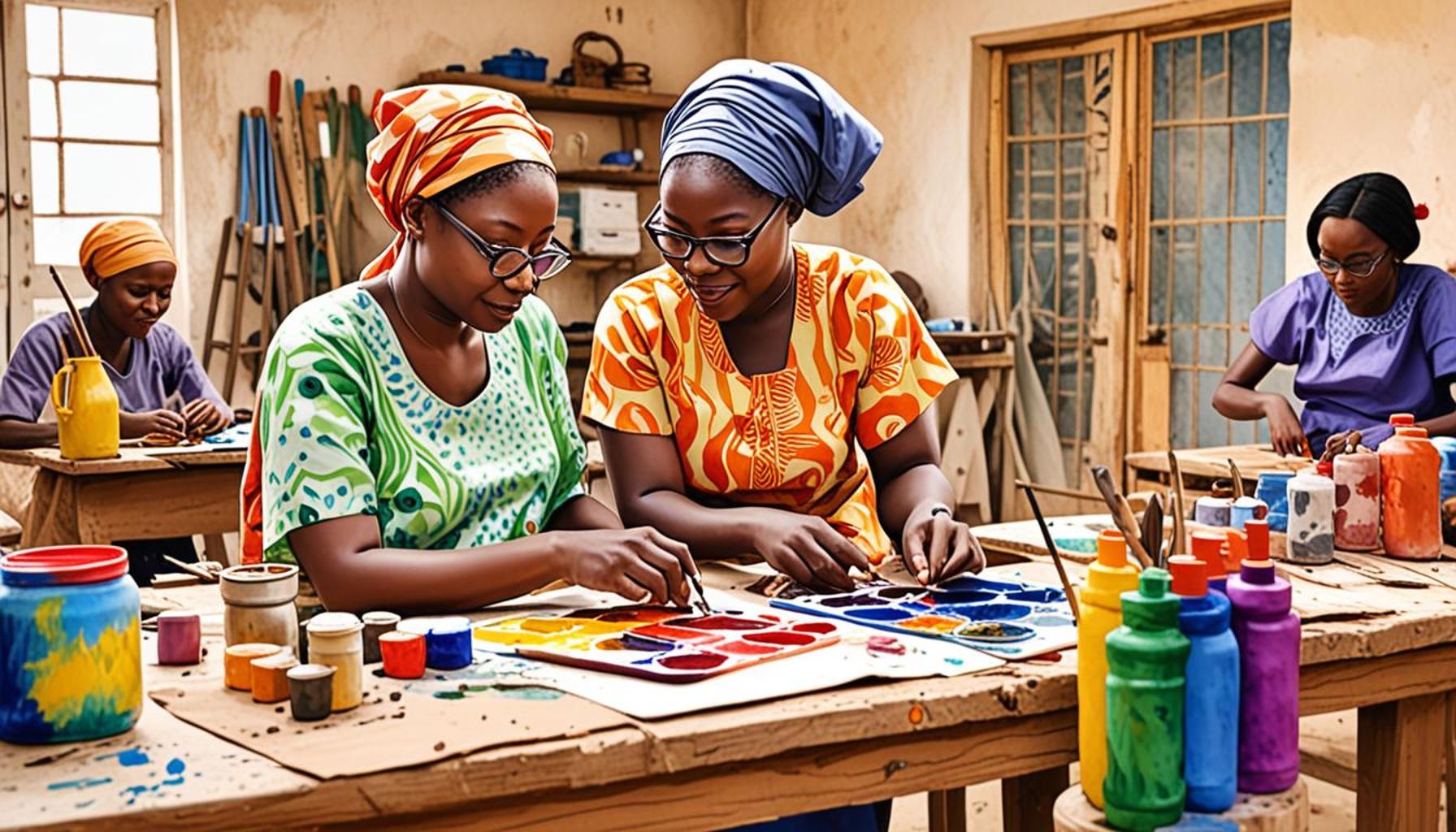
The Influence of Nature on Nigerian Craftsmanship: Projects that Celebrate Biodiversity
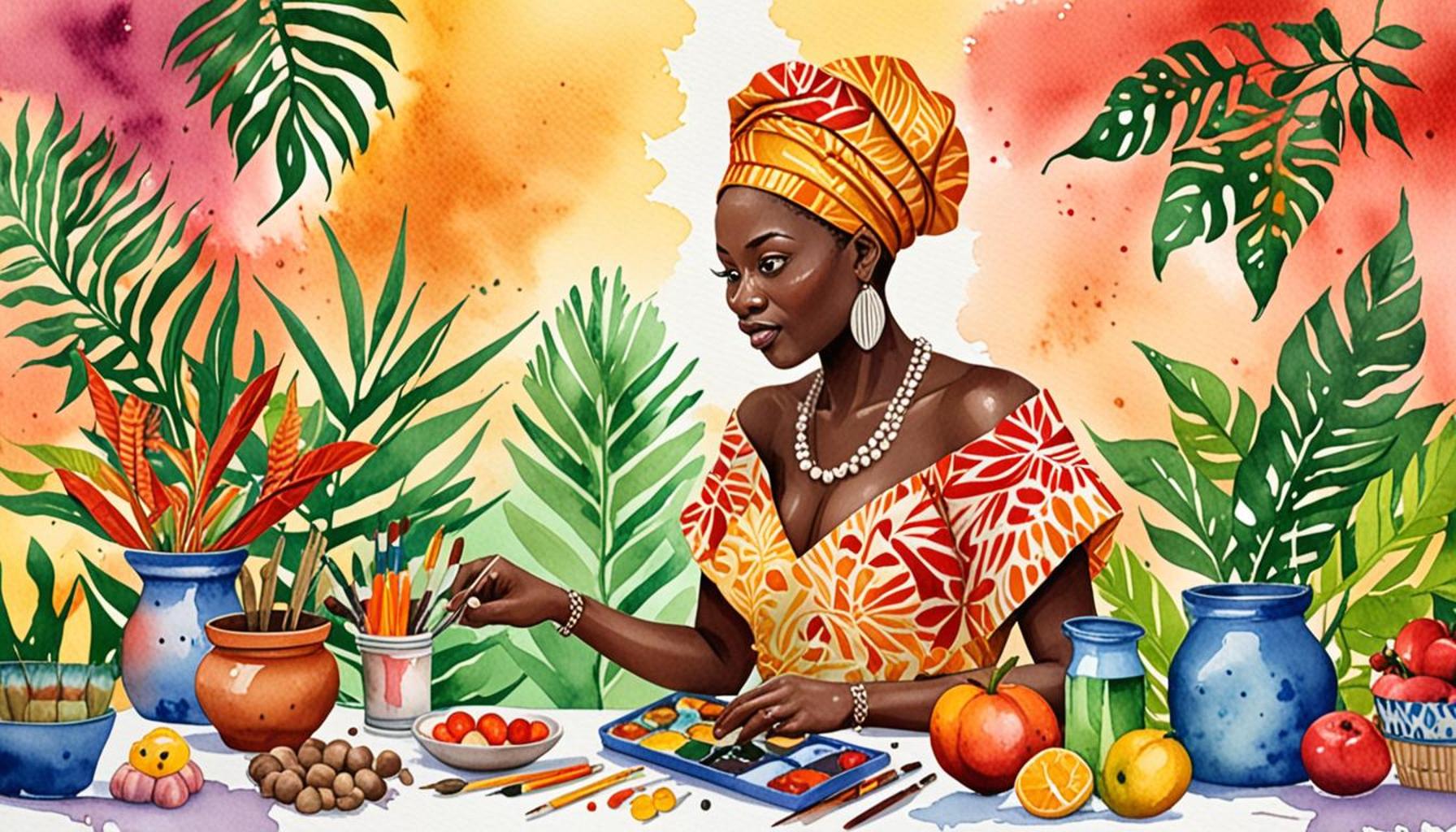
Exploring the Harmony of Craftsmanship and Nature
Nigeria’s diverse ecosystems, featuring lush rainforests, arid savannahs, and vibrant wetlands, provide not only a habitat for numerous species but also an abundant palette of inspiration for local artisans and craftsmen. The deep-rooted connection between these artisans and their environment is woven into the fabric of their work, manifesting in the intricate art forms that are both beautiful and meaningful. The influence of nature is palpable in the craftsmanship seen throughout the country, from traditional practices that have stood the test of time to contemporary designs that celebrate cultural heritage.
Key Aspects of Nature-Inspired Craftsmanship
- Materials: The artistry begins with the materials themselves. Craftspersons utilize locally sourced elements, such as hardwoods from the forests of the Middle Belt, clay from riverbeds, and fibers obtained from indigenous plants. This commitment to local sourcing not only supports the economy but also fosters a sustainable approach to creativity.
- Patterns: Many designs draw heavily from the flora and fauna that surround the artisans. For instance, the vibrant patterns seen in Yoruba textiles often depict symbols of local plants and animals, each carrying a unique narrative that reflects the region’s ecological story. These patterns serve not only as decoration but also as a homage to the natural world, embedding cultural significance into everyday items.
- Techniques: Traditional methods of crafting emphasize sustainability. Artisans pass down techniques that respect the environment, such as the age-old practice of natural dyeing, which employs plants like indigo and hibiscus. Such practices ensure a minimal ecological footprint while preserving rich traditions for future generations.
Numerous projects across Nigeria epitomize this synergy between nature and craftsmanship, highlighting the efforts of communities to bridge artistry with sustainability. For example:
- The Ibadan Craft Project: This initiative has garnered attention for its commitment to using natural dyes in textile production, reducing reliance on harmful synthetic options and promoting a deeper appreciation for indigenous plant life.
- The Northern Woodwork Initiative: By emphasizing sustainable timber sourcing, this project showcases artisans who carve traditional pieces that tell stories of the region while ensuring that local forests are managed responsibly.
- Pottery of the South: Artists in this part of Nigeria create stunning ceramics using local clay, employing environmentally friendly techniques that celebrate both artistry and ecological mindfulness.
These remarkable endeavors not only uplift local craftsmanship but also serve to educate the public about the importance of preserving biodiversity. By promoting awareness of ecological issues alongside artistic expression, these projects foster a culture of appreciation for Nigeria’s rich natural heritage. As we delve deeper, it becomes evident how these artisan initiatives contribute to a collective identity that values both cultural and environmental stewardship, inspiring future generations to carry this legacy forward with care and respect.
LEARN MORE: This related article may interest you
Nature as the Foundation of Craftsmanship
In Nigeria, the role of nature in shaping craftsmanship is not just about materials; it is an intrinsic part of the identity of artisans across the nation. From the dense jungles of the Southeast to the arid landscapes of the North, the environment provides more than just resources; it inspires creativity, cultural narratives, and community strength. This relationship with nature is evident in various traditional and contemporary crafts ranging from textiles to woodworks, each reflecting the unique stories of the ecosystems they emerge from.
Emphasizing the Role of Locality
The craftsmanship seen throughout Nigeria is profoundly influenced by local environments. Artisans prioritize materials that are readily available, invoking a sense of responsibility and caring for the land. For instance, in the Ekiti State, artisans utilize the vibrant blue of indigo plants to dye traditional Aso Oke fabrics, creating stunning pieces that are deeply rooted in regional identity. This local sourcing not only enhances the aesthetic appeal of the crafts but plays a crucial role in preserving local biodiversity.
Crafting methods reveal another layer of this connection. Techniques such as natural dyeing incorporate techniques that avoid synthetic materials, focusing instead on botanical resources like the bark of trees and various leaves. This practice is not only sustainable but also promotes an understanding of plants that may be threats or endangered, thus fostering a sense of conservation among local communities.
Artistic Expressions Inspired by Nature
The motifs and patterns expressed in Nigerian craftsmanship often mirror the rich biodiversity available in their immediate surroundings. These designs serve as vibrant storytelling tools, embedding ecological awareness into art. For example, the Benin Bronzes, renowned for their intricate depictions of animals and plants, symbolize not just artistry but a reverence for the rich wildlife that once roamed the region. Through such artworks, artisans craft a narrative that immortalizes the importance of their natural heritage.
Current initiatives are elevating this bond between nature and craft to new heights. Various community-driven projects work to create a sustainable future by enhancing the relationship between economic development and ecological preservation. For instance:
- The Lagos Green Art Initiative: This project promotes the use of recycled materials in art, encouraging artisans to repurpose waste while highlighting the importance of sustainability.
- The Enugu Weavers Collective: Focused on traditional weaving techniques, this group utilizes plant fibers and celebrates the various indigenous plant species, thereby ensuring traditional knowledge is passed through generations.
- The Abuja Stone-Carving Movement: Here, local artisans are known for their unique carvings inspired by the topography of Nigeria, using materials sourced from their environment, representing a direct relationship with nature.
These projects not only spotlight the artistic talents prevalent in Nigeria but also help raise awareness about biodiversity and ecological conservation. As these artisans continue to create, they steer communities toward recognizing the value of preserving their unique environments while celebrating cultural legacies through craftsmanship.
The influence of nature on Nigerian craftsmanship is not only significant in terms of aesthetic appeal, but it also represents a deeper connection between artisans and their environment. This connection manifests itself in various projects that embrace biodiversity, integrating natural elements and sustainable practices into the artistic process. Emerging artisans draw inspiration from the vivid colors of flora and fauna, as well as the traditional methods passed down through generations, creating unique pieces that speak to both local heritage and global ecological themes.One prominent project highlighting this influence is the use of biodegradable materials sourced from local environments. Artisans are now experimenting with materials such as dried leaves, bark, and clay, which not only reduce environmental impact but also promote a thriving ecosystem. By embracing these organic components, artisans craft items ranging from home décor to fashion accessories that showcase the vibrancy of Nigeria’s natural beauty.In urban areas, collaborations between artists and ecologists have resulted in community-driven projects that focus on preserving biodiversity. These projects include workshops where artisans can learn about sustainable sourcing and ecological balance, allowing them to imbue their work with a consciousness of the natural world. For instance, eco-friendly techniques in painting and dyeing that utilize plant-based pigments are becoming increasingly popular, fostering a greater appreciation for Nigeria’s rich biodiversity.Furthermore, these initiatives encourage local communities to engage with their environment in innovative ways, leading to a renewed sense of pride in their craftsmanship. As artisans merge contemporary design with traditional practices, their work becomes not just a reflection of their skills, but a powerful statement about the importance of preserving Nigeria’s unique landscape for future generations.As the dialogue surrounding sustainability and craftsmanship grows, so does the visibility of projects dedicated to celebrating biodiversity and its significance. Artisans are not only creating stunning works of art but are also becoming stewards of their environment, showcasing how the two can coexist beautifully. Through these evolving practices, Nigerian craftsmanship continues to honor the intricate balance between nature and artistry, inviting global discourse on the role of nature in shaping cultural identities. Now, to further explore the interplay between nature and craftsmanship in these initiatives, consider the following table that highlights key aspects of this relationship.
| Category 1 | Category 2 |
|---|---|
| Sustainable Practices | Artisans are adopting eco-friendly methods in their crafting processes. |
| Biodiversity Preservation | Projects encourage local communities to appreciate and protect their environment. |
LEARN MORE: This related article may interest you
Cultural Preservation through Natural Inspiration
Nigerian artisans are not just creators; they are custodians of cultural heritage, interlacing ecological narratives with their craftsmanship. This deep-rooted connection to nature is increasingly vital as globalization threatens traditional practices. Many artisans are recognizing the need to adapt and innovate, ensuring that their craftsmanship reflects both contemporary influences and the natural world that surrounds them.
Revitalizing Traditional Techniques
The resurgence of interest in traditional techniques serves as a form of resistance against the homogenizing effects of mass production. Artisans are re-discovering and reviving methods that utilize locally sourced materials while drawing upon indigenous knowledge. For example, the resurgence of Adire cloth production in southwestern Nigeria highlights this movement. Adire fabrics are dyed using natural indigo and traditional tie-dye methods, creating stunning fabric that not only tells the stories of Yoruba heritage but also showcases the biodiversity of the plant from which the dye is derived. By using local ingredients, artisans engage communities in an appreciation of their regional flora, fostering a sense of pride and ecological awareness.
Collaborative Engagements and Nature Conservation
Community collaborations have become powerful vehicles for integrating ecological sustainability with artisan production. Several organizations now engage artisans in the dual mission of promoting craftsmanship and environmental conservation. Initiatives, such as Artisans for Nature, advocate for practices that allow artisan production to help preserve natural resources. Through workshops, artisans learn about the ecological impact of their crafts while developing strategies to mitigate these effects. Community members are educated in sustainable harvesting, ensuring that plant materials used in crafting are sourced responsibly.
Moreover, these workshops often facilitate an exchange of ideas between generations of artisans. Older craftsmen share valuable insights into traditional sustainable practices, while younger ones introduce contemporary techniques that blend creativity with sustainability. This reciprocal learning fosters innovation while reinforcing the cultural heritage deeply tied to the land.
Product Innovations Reflecting Biodiversity
Innovative products are emerging from the synergy between nature and craftsmanship. Artisans are increasingly creating goods that not only celebrate Nigerian biodiversity but also cater to international markets. Alternatively, artisans are experimenting with designs inspired by animals and plant life unique to Nigeria, such as the African elephant or the flame tree. These elements are not just decorative; they tell a story of the need to conserve these species and their habitats. Jewelry pieces crafted from sustainably sourced materials or home decor featuring patterns inspired by local wildlife are finding their way into global markets, further driving the message of biodiversity conservation.
One remarkable example is the work by artisans in the Niger Delta, where wastes from palm oil production are repurposed into beautiful crafts, thus highlighting a symbiotic relationship between economic activity and environmental stewardship. Such creative ingenuity reflects a dedication to sustainability while fostering economic development, creating a win-win situation that benefits artisans and the environment alike.
Concluding Thoughts on Nature and Craftsmanship
As Nigerian craftsmanship continues to evolve, the influence of nature remains a salient force. Through innovative collaboration, traditional knowledge, and a commitment to sustainability, artisans are forging paths that honor both their cultural legacy and the biodiversity foundational to their practices. Projects that celebrate this harmonious relationship serve as beacons for future generations, illuminating the importance of nature in art and industry.
LEARN MORE: This related article may interest you
Final Reflections on Nature and Artisan Craftsmanship
The intricate tapestry of Nigerian craftsmanship is woven with strands of nature, tradition, and innovation. As this article has explored, the influence of nature is not merely an aesthetic choice; it serves as an essential foundation for the cultural and ecological narratives interlaced within the artworks created by Nigerian artisans. The dynamic relationship between artisans and their environment underscores a commitment to sustainability and cultural preservation that is increasingly needed in our modern world.
Revitalized traditional techniques, community collaborations, and innovative product designs reflect a growing awareness among artisans about the significance of biodiversity. By choosing to harness local resources and sustainable practices, artisans are not only preserving their heritage but also promoting ecological stewardship. Projects like those in the Niger Delta, which turn agricultural waste into stunning crafts, signify a shift towards an economy that respects the environment.
Furthermore, the stories behind these crafts resonate deeply within local communities and beyond, fostering appreciation for Nigeria’s rich biodiversity. As these artisans find new ways to express their connection to nature, they create pathways for future generations to engage with both their cultural identity and the environment. The continued exploration of this synergy holds promise, not just for the artisans themselves, but for the broader movement towards ecological awareness and sustainable practices in artisanal production.
In essence, the future of Nigerian craftsmanship and biodiversity is intertwined, and as these talented artisans continue to innovate, they illuminate the importance of maintaining a balance between art, culture, and nature. By supporting these projects, we actively participate in a vital conversation about sustainability that extends far beyond Nigeria, inviting everyone to advocate for a future where craftsmanship and biodiversity thrive hand in hand.