The Power of Ferments: Exploring Preservation Techniques in Nigerian Cuisine
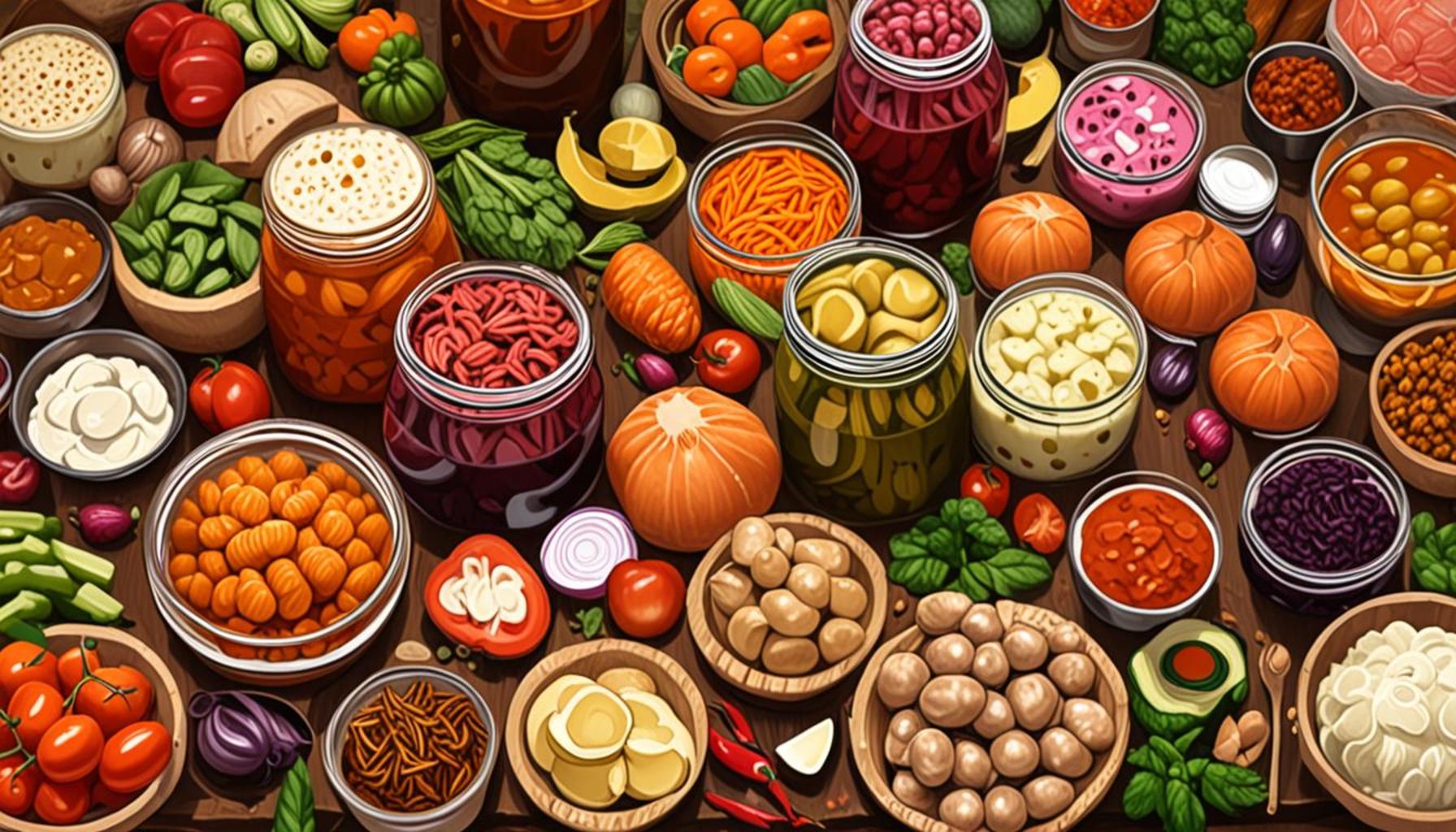
Understanding the Role of Fermentation in Nigerian Cuisine
Fermentation is an age-old practice that serves as a cornerstone of Nigerian culinary traditions. It is fascinating to see how fermentation transforms ordinary ingredients into vibrant and complex foods that not only feed the body but also nourish the spirit. Spanning across the country’s various ethnic groups and food cultures, fermentation is an art that is both practical and enriching.
Preservation is a primary function of fermentation in a land where food scarcity can sometimes be a looming concern. By fermenting foods, Nigerians have long ensured that excess harvests do not go to waste. Take for example, the fermentation of locust beans into a condiment known as ‘iru‘ or ‘ogiri’, which is not only a great method to preserve the harvest but also enhances dishes such as ‘egusi soup’ and ‘stew’ with a distinct and savory flavor. This process extends the shelf life of these ingredients while also enriching them with a taste that is cherished by many.
The flavor enhancement offered through fermentation cannot be overstated. The tangy notes of fermented foods introduce a depth that is sometimes lacking in purely fresh ingredients. For instance, ogiri, derived from fermented locust beans, adds a unique umami flavor to dishes. Similarly, fufu, a starchy staple made from cassava or yam, can be fermented to impart a subtly sour taste that complements vibrant sauces and soups. This dynamic interplay of flavors is what makes Nigerian cuisine so captivating and diverse.
Furthermore, the nutritional benefits of fermented foods bring an added layer of significance. Foods like ogu (fermented maize) and uji (the East African equivalent) offer probiotics that are crucial for gut health. As more Nigerians become aware of health trends, the demand for these fermented goods has risen significantly. Many now recognize that incorporating such foods into their diets can boost immunity and promote overall well-being.
Despite its critical role in daily life, many individuals remain unaware of the extensive techniques and health benefits of fermentation practiced within Nigeria. A closer look at these culinary traditions can provide insight into not only the science of fermentation but also its evolving significance in contemporary Nigerian cooking. From street vendors serving ogi as a beloved morning meal to households fermenting vegetables for preserving and flavoring, fermentation is more than just a method—it’s a vital cultural practice worth celebrating and preserving.
CHECK OUT: Click here to explore more
A Deep Dive into Traditional Fermentation Techniques
The art of fermentation in Nigerian cuisine involves a myriad of techniques, each uniquely reflective of the rich culinary heritage across the country’s diverse ethnic groups. Traditional fermentation methods are not merely tools for prolonging the lifespan of food; they encapsulate a rich history and communal knowledge passed down through generations. Understanding these techniques sheds light on how they have allowed communities to thrive despite challenges like seasonal food scarcity.
One of the hallmark fermentation processes involves fermented grains. Common staples like maize and sorghum are not only utilized for their immediate sustenance but also fermented to yield products like ogi. Ogi is made by soaking and grinding these grains, which are then left to ferment naturally. This process transforms the grains into a porridge-like consistency packed with natural probiotics, offering nourishment that is particularly appreciated in the morning as a wholesome breakfast. The flavor profile of ogi is slightly sour, which provides a delicious contrast to complementary dishes like mackerel stew or fried plantains.
Another fascinating component of Nigerian fermentation is the use of vegetables. Foods like ukodo (yam pepper soup) integrate fermented vegetables such as nkwobi and other local herbs that are allowed to ferment, developing complex flavors that enhance the overall taste. The process not only preserves these vegetables for longer but contributes beneficial nutrients andensures distinct flavors in traditional dishes. Moreover, the various methods of fermentation can be categorized broadly into several techniques:
- Solid-state fermentation: Often used for locust beans, this method involves a solid substrate where micro-organisms multiply.
- Liquid fermentation: Commonly utilized for producing drinks like palm wine, which derives its tartness from the fermentation of palm sap.
- Mixed fermentation: A technique incorporating both solid and liquid elements, commonly seen in dishes like fufu, enriching the texture and flavor.
The engagement of these fermentation methods not only speaks to a community’s agricultural practices but also recognizes the adaptability and innovation within Nigerian food culture. As urbanization spreads and modern agricultural practices evolve, these traditional methods continue to hold their ground, adapting to the context of contemporary cooking while sufficiently maintaining their cultural essence. The rise in popularity of fermented foods coincides with a growing health consciousness, leading to greater curiosity about the underlying processes that produce these nutrient-rich ingredients.
Thus, as fermentation weaves its way into daily meals and celebrations, it serves as a powerful vehicle of connection—to history, to community, and to the very essence of flavor in Nigerian cuisine. By examining these preservation techniques and the stories behind them, one embarks on a journey that not only satisfies culinary curiosity but also deepens the appreciation for the cultural treasures embedded in every bite.
| Advantages of Fermentation | Details & Benefits |
|---|---|
| Nutritional Enhancement | Fermentation increases bioavailability of nutrients, making vitamins and minerals more accessible. |
| Flavor Development | Fermented foods, such as ogi or ukodo, develop unique tangy flavors that enhance dishes. |
| Preservation Longevity | Using fermentation methods, foods can last longer without spoilage, making it crucial in survival during resource-scarce periods. |
| Health Benefits | Probiotics found in fermented foods support digestive health and boost the immune system. |
In Nigerian cuisine, fermentation represents a beautiful intersection of tradition and science, transforming ordinary ingredients into powerful health boosters. The use of techniques such as soaking, fermenting, and drying can be traced back for generations, showcasing an ancient understanding of food preservation that is rich in cultural significance. Indigenous methods have not only perpetuated enjoyment and nutrition but have also laid the groundwork for modern culinary exploration.Furthermore, the fermentation process is an essential contributor to sustainable practices in food preparation. It minimizes food waste by extending the shelf life of perishable items. These practices also resonate deeply with the community ethos and foster a connection among generations, as traditional recipes are passed down, ensuring that culinary heritage is honored and preserved. Exploring these techniques opens the door to a flavorful journey through Nigerian cuisine’s diverse offerings, revealing the myriad health benefits of embracing fermentation as a fundamental culinary practice. Discovering the art of fermentation can lead to a richer understanding of not just Nigerian heritage, but also the global impacts of fermenting foods in daily cooking.
YOU MAY ALSO LIKE: Read read another article
Innovative Fermentation: Reviving Traditional Techniques for Modern Palates
As the global culinary landscape shifts towards sustainable and health-focused eating, traditional fermentation techniques in Nigeria find themselves rejuvenated, offering not just a means of preservation but also a pathway for innovation. Home cooks and chefs alike are reconnecting with these age-old methods, reimagining fermented staples to meet contemporary tastes while preserving their nutritional benefits. The dual purpose embodies the essence of Nigerian cuisine: rooted in history yet ever-evolving.
Take, for example, the fermentation of cassava. This versatile root, fundamental to Nigerian diets, undergoes a traditional fermentation process known as fufu. The cassava is peeled, soaked, and left to ferment before being pounded into a smooth, elastic dough that serves as a side dish. Beyond fufu, artisans are beginning to experiment with variations like fermented cassava flour, which can be used to create gluten-free baked goods, showcasing how a traditional ingredient can seamlessly integrate into modern diets.
The use of fermented fish is another hallmark of Nigerian cuisine that has seen new interpretations. Traditionally, fish is salted and allowed to ferment, resulting in a key flavor enhancer known as iru or locust bean. Contemporary culinary minds are now incorporating iru into gourmet dishes and sauces, recognizing its umami richness as a powerful ingredient that elevates meals. Additionally, its profile as a sustainable source of protein presents an eco-friendly option in a world increasingly concerned about food wastage.
With the rise of interest in fermentation for health benefits, many Nigerian households are embracing fermented drinks like kunu, a popular beverage made from grains such as sorghum or millet. Traditionally brewed and enjoyed across various regions, kunu is being introduced to global markets as a non-alcoholic probiotic drink. The fermentation process not only provides essential nutrients but also contributes to gut health—a booming trend among health-conscious consumers. The emergence of small batch producers means that artisanal kunu is being crafted with gourmet twists, often flavored with additional ingredients like ginger or pineapple, appealing to varied palates.
Moreover, the techniques involved in fermenting legumes, such as fermented soybeans to create dawadawa, also illustrate the innovative adaptations of Nigerian fermentation. This protein-rich condiment is traditionally made from locust beans and provides a nutritional powerhouse in many recipes. Today’s culinary scene is witnessing a revival of this ingredient in fusion cooking, where chefs blend Nigerian flavors with international cuisines, creating exciting new dishes that highlight the versatility of fermented products.
The adaptation of these fermentation practices is not merely a gastronomic trend but a vital part of cultural preservation. Workshops and cooking classes are popping up around urban centers, where culinary enthusiasts learn the science and artistry behind fermentation. These classes often emphasize the role of ferments in traditional health and cooking practices while encouraging participants to bring their families and community together through shared knowledge and experiences.
Ultimately, the resurgence of fermentation techniques in Nigerian cuisine is about rediscovery—an acknowledgment of the past while pushing boundaries towards exciting future possibilities. By weaving traditional methods into modern cuisine, the power of ferments becomes more than just a means of preservation; it transforms into a vibrant dialogue between generations, inviting everyone to explore the delightful depth of flavors found in every bite.
LEARN MORE: This related article may interest you
Conclusion: Embracing the Legacy of Fermentation in Nigerian Cuisine
The exploration of fermentation techniques in Nigerian cuisine reveals not only a fascinating intersection of history and contemporary food culture but also a path toward sustainable culinary practices that resonate with the health-conscious consumer of today. As traditional methods regain prominence, we witness a renaissance in how age-old ingredients like cassava, fish, and legumes are utilized, offering innovative recipes that excite modern palates while retaining their nutritional integrity.
The vibrant journey of Nigerian fermented goods like iru and kunu illustrates a broader cultural narrative—one that honors ancestral knowledge while fostering culinary experimentation. By embracing these techniques, not only do we preserve our rich heritage, but we also contribute to the sustainability of our food systems, showcasing local resources in dynamic and environmentally friendly ways. The revival of interest in artisanal products, along with local workshops and cooking classes, strengthens community bonds and encourages a shared appreciation for the art of fermentation.
As we continue to explore the power of ferments, it becomes clear that the future of Nigerian cuisine is not just about maintaining tradition—it’s about innovating within it. This dialogue between the past and present invites every Nigerian into a collective culinary adventure, replete with flavor, health benefits, and cultural significance. The next time you savor a dish enhanced by fermentation, remember that you are not merely enjoying a meal; you are engaging in a profound legacy that has shaped our food landscape for generations and will continue to influence it for years to come.