Sustainable Cuisine: Creating Delicious Recipes with Local and Seasonal Ingredients

Understanding Sustainable Cuisine
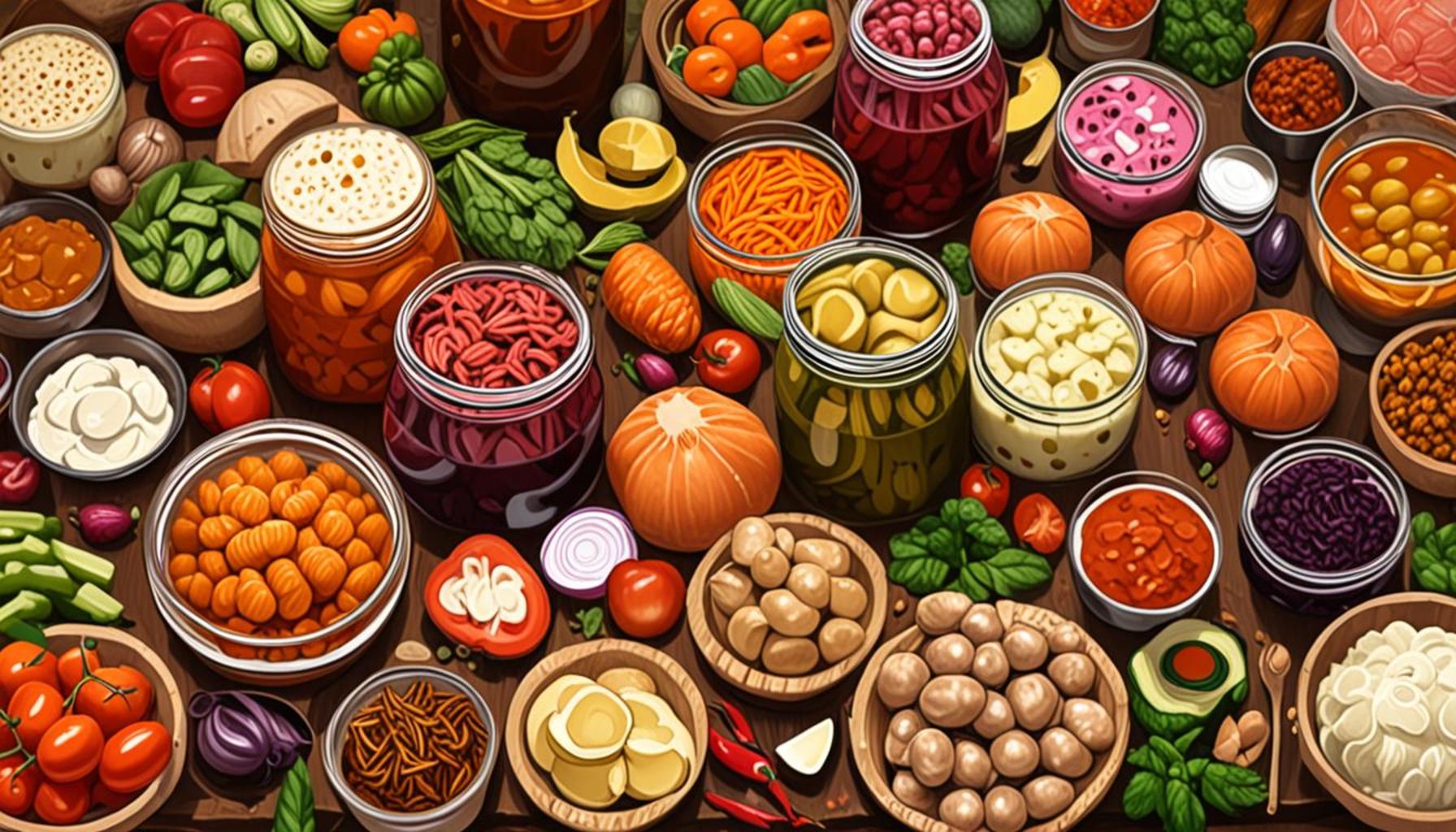
In an increasingly interconnected world, the choices we make regarding food extend far beyond our personal preferences; they resonate with significant implications for both our health and the environment. As awareness about sustainability grows, more individuals are actively seeking ways to incorporate local and seasonal ingredients into their cooking practices. This trend is not only about taste; it’s about cultivating a more responsible relationship with our food systems. By embracing local and seasonal cuisine, we can enhance the flavors of our meals while contributing to a healthier planet.
Why Choose Local and Seasonal?
Opting for local ingredients provides numerous benefits that extend throughout communities and ecosystems. Seasonal produce, harvested at its peak ripeness, often boasts better flavor and higher nutritional value. Here are some compelling reasons to embrace this culinary trend:
- Quality: The closer the food is to its harvest, the fresher it will be on your plate. Local yams and tomatoes, for instance, are renowned for their distinct taste compared to those shipped from distant locations.
- Sustainability: When you choose local ingredients, you significantly reduce the carbon footprint associated with transporting food over long distances. This shift not only helps mitigate climate change but also supports biodiversity by promoting the cultivation of varied crops.
- Economy: Supporting local farmers enhances the economic stability of the community and fosters job creation. By investing in local agriculture, you’re also supporting the preservation of traditional farming methods and cultural practices.
Exploring Nigerian Ingredients
Nigeria’s diverse climate boasts an impressive array of seasonal ingredients that are not only essential to the culture but also beneficial for sustainable cuisine. Staples such as yam, cocoyam, and a plethora of vegetables—from the vibrant greens of spinach and pumpkin leaves to the colorful mixes of bell peppers and okra—are abundant in local markets throughout the year.
For instance, during the wet season, you might find a bounty of freshly harvested vegetables that can elevate dishes like vegetable soups and stews, providing depth and richness that surpasses anything that has traveled thousands of miles. Furthermore, incorporating native grains such as millet and guinea corn into your meals can not only diversify your diet but also support local farmers who cultivate these crops.
As we delve deeper into the world of sustainable cuisine, we aim to share not only tips and recipes that are delicious but also those that promote environmental stewardship. You will discover how cooking with local and seasonal food not only tantalizes the taste buds but also contributes to the greater good. Let’s embark on this journey to explore the bounties of Nigerian agriculture and the sustainability movement that underpins it.
RECOMMENDED: Check out this similar article
Connecting Tradition and Modernity in Sustainable Cuisine
Sustainable cuisine is more than just a trend; it is a bridge connecting our rich culinary traditions with contemporary dietary practices that prioritize the health of our planet. In Nigeria, where agriculture forms the backbone of many communities, the movement towards sustainable cooking highlights an opportunity to rediscover and promote indigenous ingredients while fostering responsible consumption.
The concept of seasonality is deeply embedded in the Nigerian culinary experience. Cultural practices and seasonal festivals have long dictated what is harvested and consumed at any given time. For example, many Nigerians eagerly await the rainy season, as it brings a surge of fresh produce, such as edible leaves and roots. Engaging with local farmers and markets allows cooks to tap into this rhythm of nature, embracing what’s available rather than relying on imported goods.
Benefits of Embracing Local Ingredients
Incorporating local ingredients into your recipes not only enhances flavors but also yields various benefits:
- Flavor enhancement: Freshly harvested produce retains its natural sugars and nutrients, resulting in superior taste. Imagine sinking your teeth into a ripe mango or savoring a bowl of egusi soup made with just-picked melons and leafy vegetables.
- Reduced environmental impact: The shorter the distance food travels, the lower the associated carbon emissions. This shift to local sourcing contributes to reducing your overall carbon footprint and helps in addressing climate change.
- Nourishing community: Supporting local farmers and markets creates economic opportunities within your community. It empowers producers, allowing them to grow and sell food in more sustainable ways while securing fair prices for their crops.
Seasonal Recipes to Try
As you gather fresh ingredients from local markets, consider these traditional yet exciting recipes that make the most of seasonal bounty:
- Vegetable Okra Soup: This dish capitalizes on seasonal okra, fresh tomatoes, and a variety of greens, creating a nutritious and flavorful meal.
- Pounded Yam and Afang Soup: Made with local yam varieties and the rich, nutrient-dense Afang leaves, this pairing epitomizes the essence of Nigerian cuisine.
- Jollof Rice with Seasonal Veggies: Elevate this popular dish by adding seasonal vegetables like bell peppers and carrots, giving it a fresh twist while staying true to its roots.
As we continue exploring sustainable cuisine, we will highlight resources to help you identify local markets, seasonal ingredients, and innovative recipes that make the best of what Nigeria has to offer. The journey towards a more sustainable culinary practice is not just transformative for individual palates—it holds the potential to rejuvenate our communities, protect local ecosystems, and enrich our rich cultural heritage.
| Advantage | Description |
|---|---|
| Supports Local Economies | By using local ingredients, sustainable cuisine fosters economic growth in the community, keeping food dollars circulating locally and promoting the livelihood of farmers and artisans. |
| Environmental Impact | Seasonal ingredients typically require less transportation, which means lower carbon emissions. This practice contributes to a more eco-friendly food system that prioritizes the planet’s health. |
Create mouthwatering dishes that shine a light on the benefits of sustainable cuisine. By embracing local and seasonal ingredients, you are not only indulging your taste buds, but also participating actively in a movement that encourages responsible cooking. Discover how the flavors of fresh produce can elevate your culinary creations while supporting a cleaner, greener planet. Selecting ingredients that are in season ensures that your meals are packed with nutritional benefits and rich flavors, showcasing the true essence of each ingredient. Excitingly, farm-to-table practices are becoming increasingly accessible, allowing everyone to join the movement. By integrating these recipes into your kitchen, you become a key player in promoting sustainability. Explore how this approach to cooking creates an unparalleled gateway to cultural heritage, flavors, and community ties that resonate far beyond your plate.
LEARN MORE: This related article may interest you
Maximizing Nutritional Value through Local Produce
In the quest for sustainable cuisine, a vital aspect often overlooked is the unparalleled nutritional value of local and seasonal ingredients. Fresh produce harvested at its peak offers not only a flavor explosion but also superior nutrition compared to imported counterparts that may lose their vitality during long transport times. For instance, locally grown vegetables often possess higher vitamin content and essential minerals than those that have been stored for extended periods. When we indulge in foods such as bitter leaf or upland rice, we are celebrating nature’s gifts while nourishing our bodies.
The Role of Agricultural Practices in Sustainability
Understanding the profound impact of agricultural practices on sustainable cuisine can further enhance the movement toward healthier eating. Many Nigerian farmers are turning to organic farming methods that exclude synthetic pesticides and fertilizers. This not only protects the immediate environment but also promotes biodiversity. By incorporating less conventional methods, like crop rotation or permaculture, farmers enhance soil health and mitigate the risks of agribusiness dependency. An excellent example can be seen in communities practicing polyculture, where different crops are grown together. This approach combats pests naturally and encourages greater yield diversity, resulting in a more resilient food source.
Innovative Recipes Inspired by Seasonal Availability
When it comes to enjoying local ingredients, the culinary possibilities are boundless. Here are some innovative dishes to inspire your next meal using seasonal produce:
- Sweet Potato and Spinach Fritters: Highlighting the ever-popular sweet potato, these fritters can be made with freshly gathered spinach and served with a spicy dip, merging tradition with modern-day snacking trends.
- Coconut Rice with Pumpkin Leaf Stew: Using locally sourced rice and adding the nutritional powerhouse of pumpkin leaves, this dish is comforting, satisfying, and deeply rooted in Nigerian culture.
- Plantain and Black Bean Tacos: A creative take on traditional tacos using ripe plantains and locally sourced black beans. This recipe marries Mexican flair with farm-fresh Nigerian ingredients.
Supporting Local Markets and Building Community Bonds
Shopping at local markets isn’t merely about procuring fresh produce; it also weaves a tapestry of connections within the community. When purchasing from local vendors, you engage with the stories behind the food, learning about food origins and the challenges faced by farmers. Farmers’ markets often provide not just fresh produce but also knowledge—recipes, cooking tips, and seasonal insights shared by those who cultivate the land. This personalization fosters a sense of belonging and encourages culinary exploration, allowing us to experience diverse flavors and textures that are distinctly Nigerian.
Resources for Sustainable Cooking
With the rise of the sustainable cuisine movement, numerous resources emerge to assist individuals in harnessing local ingredients. Online platforms and social media groups dedicated to sustainable cooking can provide seasonal guides and innovative recipe ideas. Local NGOs often host workshops on sustainable agriculture and cooking, helping individuals deepen their understanding of the significance of their food choices. Engaging with these resources not only equips you with skills to cook responsibly but also instills mindfulness in your eating habits.
As you venture further into sustainable cuisine, remember that every meal is an opportunity to support local communities while indulging your taste buds. By embracing local and seasonal ingredients, we not only honor our culinary heritage but positively influence our shared environment. Get ready to experiment in the kitchen and transform how you experience food!
RECOMMENDED: Check out this similar article
Conclusion: Embracing a Sustainable Culinary Future
As we conclude our exploration of sustainable cuisine, it is clear that the journey towards delicious recipes crafted from local and seasonal ingredients not only tantalizes our taste buds but also fosters a deep-rooted appreciation for our environment. By prioritizing fresh produce from local markets, we invest in the health of our communities while supporting farmers who dedicate their lives to sustainable practices. Incorporating dishes like coconut rice with pumpkin leaf stew or sweet potato and spinach fritters into our kitchens is not just about nourishment; it embodies a commitment to preserving the vibrant agricultural heritage of Nigeria.
Moreover, embracing innovative and resourceful culinary practices equips individuals with the knowledge to make mindful choices. As we shift towards embracing organic farming techniques and exploring varied recipes that reflect our rich biodiversity, we strengthen ecosystems and elevate our food culture. The collaborative experience of shopping at farmers’ markets and cooking with locally sourced ingredients enriches community bonds and enhances our understanding of food origins.
Ultimately, as we strive for sustainability in our culinary endeavors, it becomes evident that every meal represents a choice—an opportunity to champion nourishing foods while nurturing our shared surroundings. Let us embark on this gastronomic adventure, where the ordinary becomes extraordinary, and each bite is a testament to sustainable living. Embrace the possibilities, experiment freely, and make the journey towards a more sustainable future a delicious one!