The Art of Presentation: Transforming Simple Dishes into Visual Experiences
The Art and Science of Food Presentation
Food is not merely sustenance; it’s an intricate tapestry woven from flavors, cultures, and artistic expression. In Nigeria, where the culinary heritage is rich and diverse, the art of presentation offers a unique opportunity to showcase the beauty of local dishes while honoring traditional values. By elevating the presentation, chefs and home cooks alike can turn everyday meals into stunning visual and sensory experiences.
Imagine a dish of well-cooked jollof rice, a staple at any Nigerian gathering, garnished with vibrant slices of fresh vegetables like green bell peppers and carrots. The contrast of colors does not merely please the eye; it sets the tone for what is to come. Similarly, plantains, when fried to golden perfection, can be artistically arranged in a fan shape next to the rice, their sweetness complementing the savory elements of the dish. A succulent piece of grilled chicken, sprinkled with fresh herbs, not only enhances flavor but also adds a burst of color to the plate. This engaging interplay of visuals and flavors encourages diners to pause and appreciate the artistry before them.
The crucial elements of presentation techniques include:
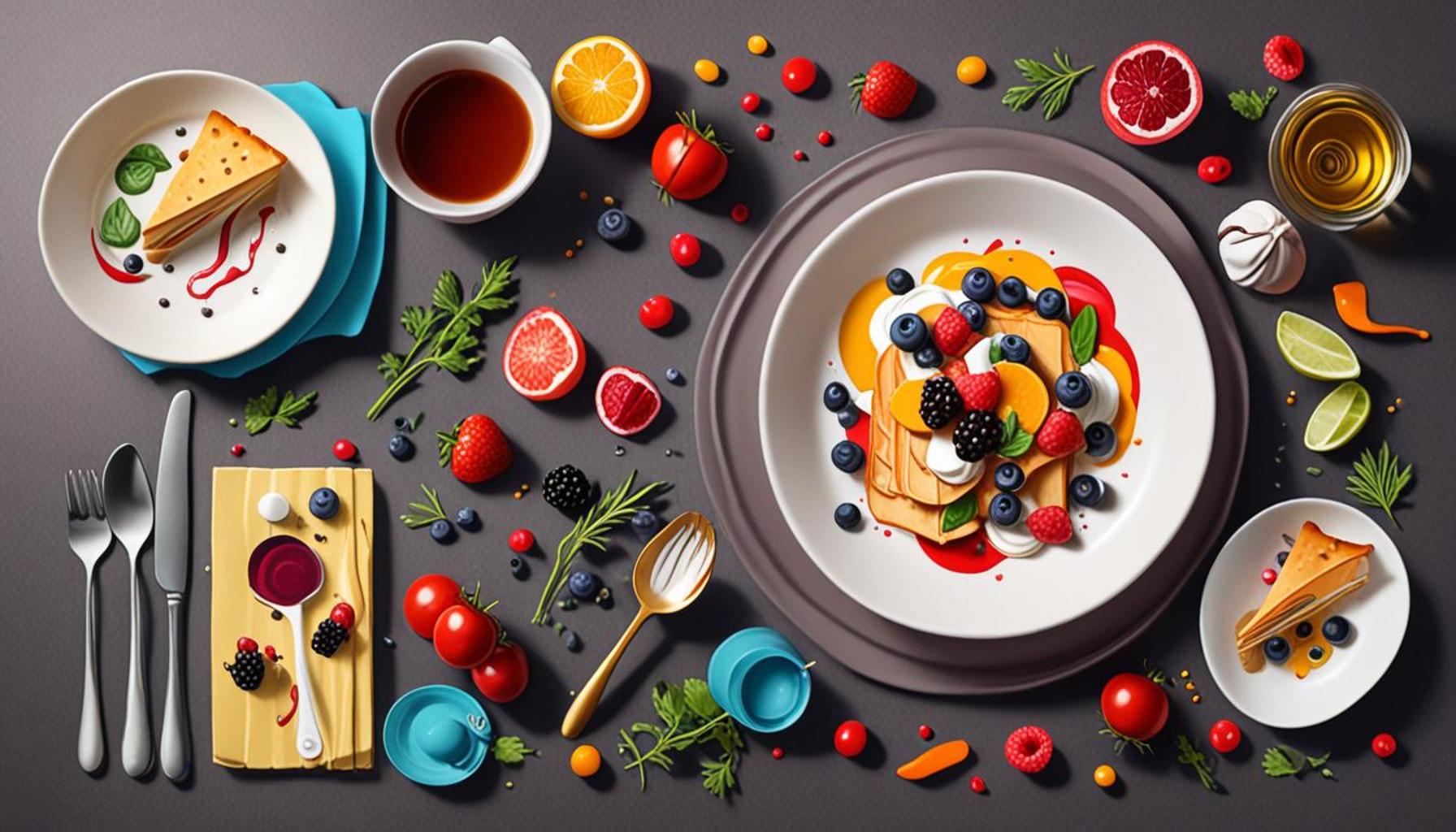
- Plating styles: Whether opting for a minimalist approach that emphasizes the main ingredient or an elaborate style with numerous components playing together, understanding these styles can make a significant difference.
- Color pairing: Utilizing colors that complement or contrast creatively can stimulate appetite, such as a bright tomato sauce brightening a dish, inviting anticipation for the flavor explosion ahead.
- Height and balance: Creating a three-dimensional effect on the plate can draw the eye, making the meal not just a dish but a culinary landscape. For instance, stacking jollof rice might add an element of surprise, encouraging diners to explore their meal.
Moreover, the emotional resonance of food presentation cannot be understated. A beautifully arranged meal often sparks conversation, bringing people together in appreciative dialogue about flavors and experiences. In Nigeria, sharing food is a communal affair, deeply rooted in culture, and when dishes are stunningly presented, they invite stories, laughter, and connections. Each plated meal stands as a testament to the chef’s skill and creativity, creating unforgettable memories not just for the cook but for all who gather around the table.
Overall, masterful food presentation is a bridge that connects culinary skill with emotional engagement, urging cooks to invest not just in cooking but in crafting a memorable dining experience. By embracing the art of presentation, food can transform from mere nourishment into a joyous celebration of culture and creativity.
CHECK OUT: Click here to explore more
Elevating the Everyday: Techniques for Stunning Food Presentation
In the realm of culinary artistry, presentation is not merely an afterthought; it is an essential element that can greatly enhance the appeal of a dish. Particularly in Nigeria, where vibrant ingredients and rich flavors reign supreme, mastering presentation techniques can transform simple meals into visual extravaganzas. Just as an artist selects colors and textures to evoke emotions, chefs can employ a similar philosophy through their plating and arrangement choices.
One of the key principles in food presentation is the concept of balance. A well-balanced plate integrates various components, ensuring that no single element overwhelms the other. For instance, when serving a classic Nigerian dish like egusi soup, the soup’s vibrant orange hue can be complemented by the deep greens of sautéed spinach and the rich brown of accompanying fufu. This balance does not just create a pleasing aesthetic; it also encourages diners to appreciate the multifaceted flavors harmoniously balanced on their plates.
Another crucial aspect is the use of negative space on the plate. This technique allows the ingredients to shine without overwhelming the viewer. By strategically leaving space, perhaps around a beautifully situated scoop of rice, chefs can draw attention to the centerpiece of the dish. A well-executed example is the way suya—a popular spicy meat skewer—can be presented on a bed of sliced onions and chilly peppers, allowing the vibrant colors to jump visually while highlighting the dish’s cultural roots.
When considering elements of plating styles, Nigerian chefs have a rich array of inspirations to draw from. Traditional African art, with its bold patterns and colors, can guide how food is arranged. Here are some effective plating styles to consider:
- Minimalist Plating: Emphasizing a focal point, such as a single piece of grilled fish accented by a simple tangy sauce and a light sprinkle of herbs.
- Family-Style Presentations: In line with communal dining traditions, dishes can be served in a way that encourages sharing while still showcasing the vibrancy of each component, resembling a colorful banquet.
- Artistic Stacking: Creating height with ingredients, like stacking yam pottage with garnished vegetables on top, which provides a dynamic visual intrigue rather than a flat presentation.
Beyond the visual impact, the emotional power of presentation in Nigerian cuisine lies in its ability to invoke shared memories and cultural pride. A beautifully plated dish can spark conversations about family traditions and regional flavors, enhancing the dining experience and fostering community spirit. From family gatherings during festive occasions to everyday meals enjoyed with loved ones, the artistry in food presentation becomes a catalyst for connection.
As Nigerian cooks begin to embrace these aspects of food presentation, they not only elevate their culinary creations but also enrich the experience of those fortunate enough to partake. This harmonious blend of aesthetics and flavor invites everyone to not just eat, but to appreciate every bite as a celebration of culture and creativity.
| Visual Appeal | Impact on Dining Experiences |
|---|---|
| Enhanced Colors | Colorful arrangements stimulate appetite and engage the senses. |
| Creative Plating | Innovative presentations can spark conversation and enhance social interactions during meals. |
| Textural Contrast | Contrasting textures make the dish visually enticing and encourage exploration of flavors. |
| Artistic Garnishing | Thoughtful garnishes not only beautify the plate but also can enhance the dish’s flavors. |
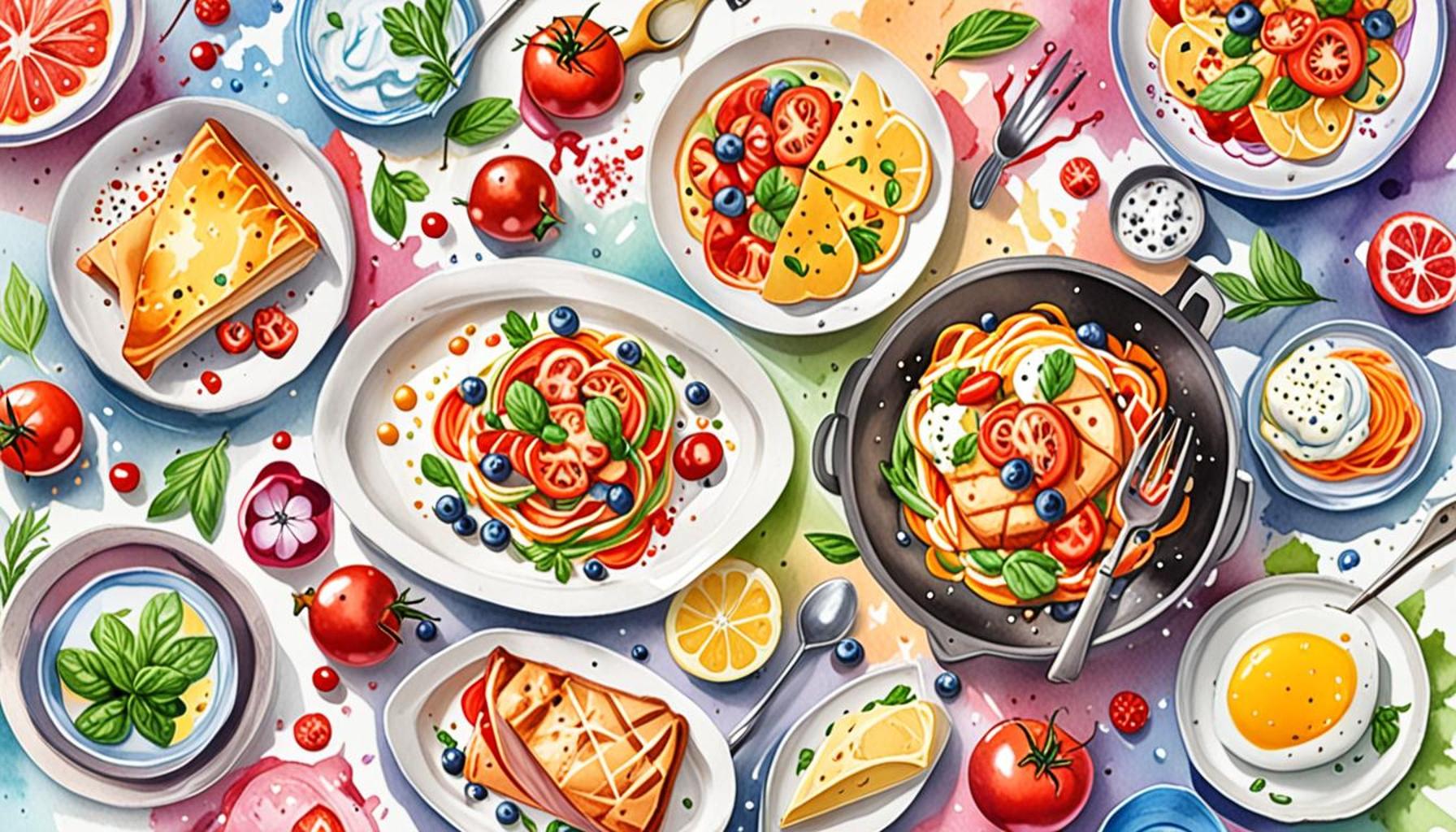
When we talk about visual appeal, it is essential to recognize how enhanced colors and creative plating can significantly impact the overall dining experience. A plate that dazzles the eyes creates a sense of anticipation and excitement. Textural contrast within the dish not only offers intrigue but also an invitation to explore a symphony of flavors. The artistry of garnishing should not be underestimated; it plays a crucial role in turning an ordinary meal into a fragrant and visually stunning feast. This focus on aesthetics is not just for show; it can elevate simple ingredients into culinary masterpieces, inviting diners to appreciate not just the taste, but the entire experience that accompanies their meals. Discover how experts and chefs embrace these elements to transform simple plates into landscapes of color and creativity.
LEARN MORE: This related article may interest you
Innovative Garnishing: The Finishing Touches that Matter
While the fundamentals of plating are essential, garnishing operates as the cherry on top, providing that final flourish that can elevate a dish from mundane to magnificent. In Nigeria, where the palate seeks not only flavor but appearance, innovative garnishing techniques can make even the simplest meals shine. Utilizing ingredients that are native to local cuisines, chefs can create garnishes that not only complement the dish but also tell a story of their origins.
One effective strategy is to use edible flowers or herbs as garnishes. For example, a delicate sprinkling of moringa leaves or purple basil not only brings a hint of color but also adds nutritional value and a touch of traditional wisdom to a plate. Imagine serving a warm bowl of pepper soup adorned with a few fresh basil leaves or colorful bell pepper curls; it becomes an invitation to dig in, while also hinting at the dish’s tantalizing flavors.
Additionally, incorporating textures in the garnish can further enhance the presentation. Crispy elements like lightly fried plantain chips or roasted groundnuts can be artfully scattered on top of dishes like jollof rice, providing both a visual contrast and a pleasing crunch. This not only entices the eye but also prompts the diner to engage multiple senses, bridging the gap between visual appeal and the experience of taste.
Color Theory in Culinary Presentation
Understanding color theory is essential for creating visually appealing plates. The right combination of colors can evoke emotions and stimulate appetite. In Nigerian cuisine, utilizing the naturally vibrant colors found in local produce is paramount. Accessories such as bright yellow turmeric, lush green spinach, and fiery red tomatoes can work together in cohesive presentations that not just represent the ingredients, but also evoke the spirit of Nigerian culture.
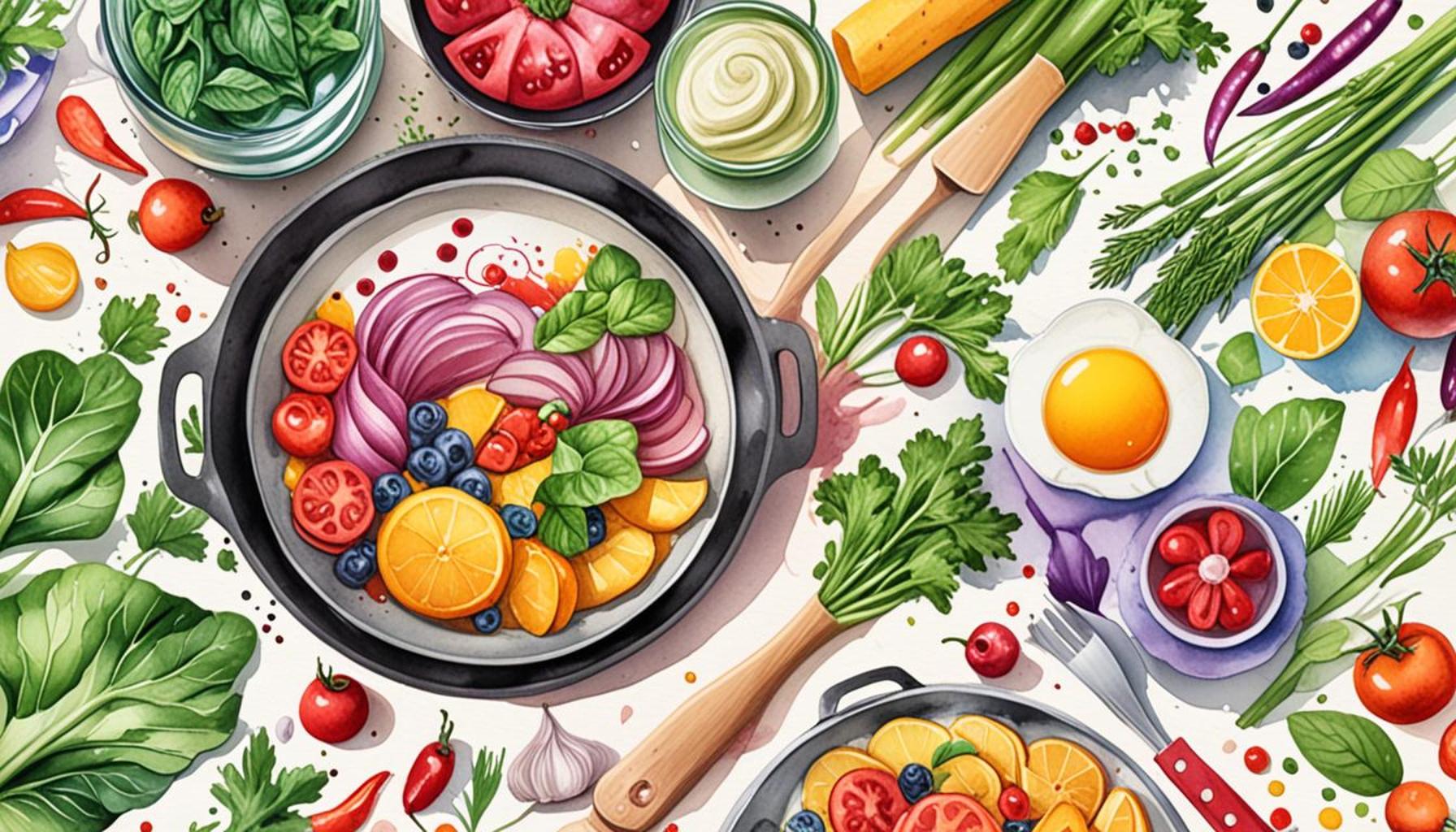
For instance, a classic vegetable stir-fry can be artistically arranged with the rainbow of vegetables stacked or interspersed, showcasing the rich soil from which they come. The technique of layering colors not only enhances the dish’s aesthetic appeal but also creates depth, leading to an experience that is both pleasing to the eye and satisfying to the palate.
Moreover, understanding the concept of high contrast can turn an otherwise ordinary plate into an extraordinary one. Pairing a dark sauce, such as a spicy pepper sauce, with a bright orange dish like moi moi can yield an eye-catching result. Alternatives abound, such as placing grilled fish over a bed of light-coloured rice garnished with a splash of green vegetables – a feast for the eyes that also celebrates Nigeria’s agricultural abundance.
Mindfulness and Intent in Presentation
Food presentation is not just about making meals visually stunning; it is also a form of storytelling. Each dish carries a narrative, representing not just the food but the culture and history behind it. Chefs and home cooks alike can embed their personal touches and emotions into presentations, invoking memories of family gatherings and cultural rituals. Understanding this emotional connection to food can further inspire culinary artists to experiment with presentations that resonate on deeper levels with diners.
The intentionality behind each garnish, color choice, and arrangement serves to transform dining from a routine activity into a memorable experience. This idea encourages a mindfulness in cooking and serving—a return to the roots of Nigerian hospitality, where the presentation is a way to honor tradition, celebrate community, and invite others to partake in cultural richness.
As the culinary landscape in Nigeria continues to evolve, the art of presentation will play a critical role in shaping perceptions and elevating cultural food experiences. Simple dishes have the potential to become visual masterpieces, allowing Nigerian cuisine to shine on the global stage while simultaneously preserving its rich heritage.
LEARN MORE: This related article may interest you
Conclusion: Elevating Culinary Artistry
In the vibrant tapestry of Nigerian cuisine, the art of presentation emerges as a pivotal element that intertwines aesthetics with cultural storytelling. As explored throughout this article, transforming simple dishes into visually stunning experiences transcends mere plating techniques; it embodies the essence of creativity, tradition, and emotional connection that Nigerian food represents. The innovative use of garnishes, understanding of color theory, and a mindful approach to presentation all serve to enhance the dining experience, inviting diners not just to taste but to engage with the storytelling aspect of the meal.
Engaging multiple senses through thoughtful presentations fosters a deeper appreciation for the richness of Nigerian food traditions. From the vibrant hues of fresh, local ingredients to the delicate textures added by unique garnishes, each plate crafted with intention invites family, friends, and wider audiences to celebrate Nigeria’s culinary heritage. As chefs and home cooks alike embrace this art form, they revolutionize the perception of local dishes, demonstrating that even the simplest meals can resonate on a grand scale.
Ultimately, the potential of food presentation in Nigeria extends beyond visual appeal; it offers a gateway to cultural exploration and innovation. As the culinary landscape continues to evolve, let us champion the art of presentation and honor the stories behind every dish, making Nigerian cuisine a showcase of culinary excellence that captivates both local and global communities.