The Intersection of Craftsmanship and Sustainability in Nigerian Artistic Expression
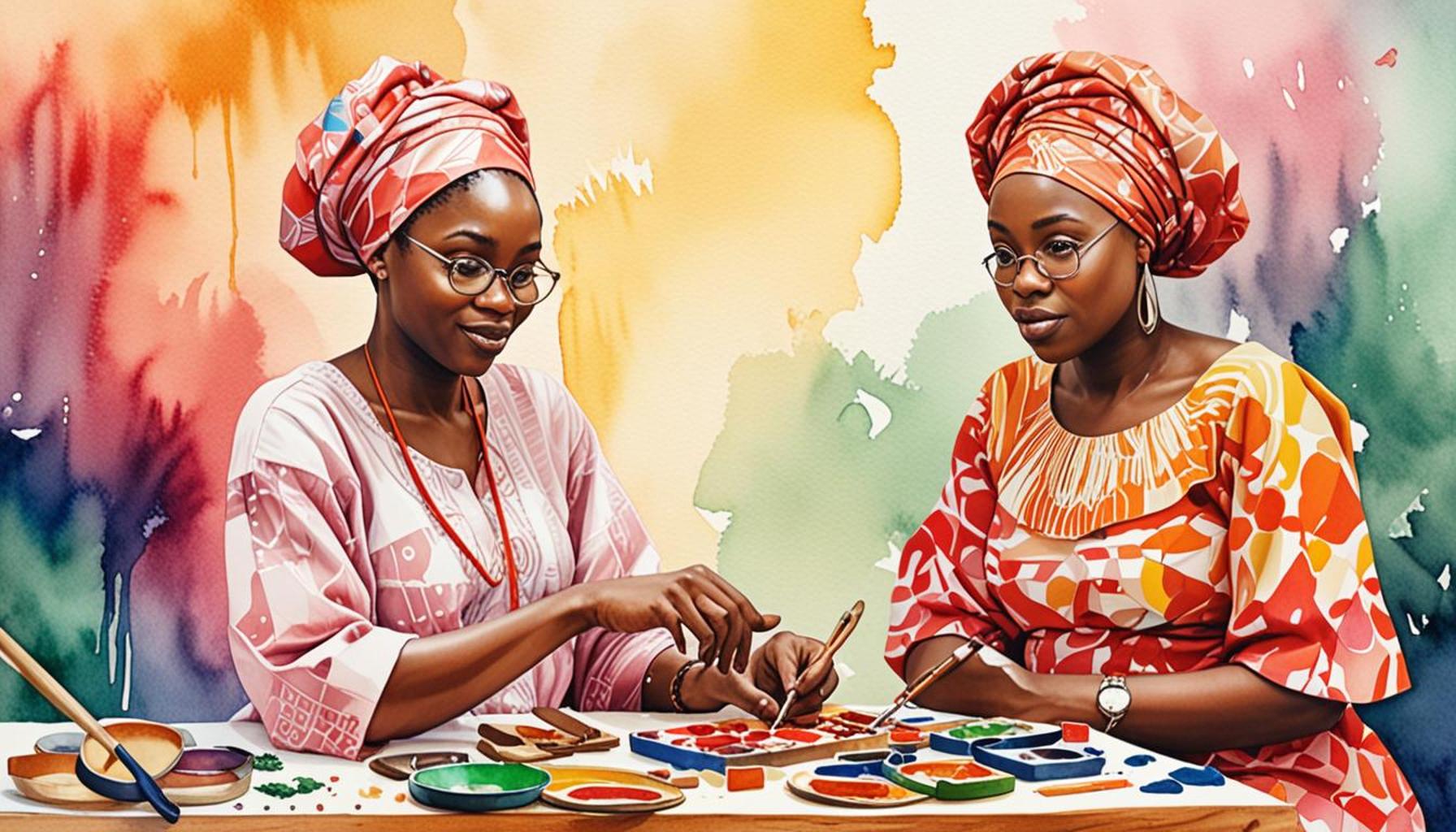
The Integration of Craftsmanship and Sustainable Practices in Nigeria’s Art Scene
Nigeria’s artistic landscape is a vibrant tapestry that reflects the nation’s cultural diversity and deep-rooted heritage. Among the rich variety of artistic expressions, the commitment to craftsmanship and sustainability stands out as a defining characteristic of today’s contemporary artists. As ecological consciousness grows, Nigerian artists are increasingly blending traditional techniques with environmental responsibility, producing works that are not only visually striking but also ethically sound.
This synergy between art and eco-friendliness can be seen in multiple dimensions:
- Material Choice: A significant trend among Nigerian artisans involves the use of locally sourced and recycled materials. For example, in the vibrant art center of Lagos, numerous painters and sculptors are creating stunning pieces from discarded plastics and reclaimed wood, transforming what would typically be waste into valuable art. This not only reduces the carbon footprint associated with manufacturing new materials but also encourages a culture of recycling within local communities.
- Techniques: Many artists are returning to traditional methods that are inherently sustainable. For instance, the practice of traditional pottery in regions like Ogun State heavily relies on locally available clay and natural firing processes, thus ensuring minimal environmental harm. Furthermore, some contemporary artists are exploring the rich heritage of weaving, employing age-old techniques passed down through generations while using organic fibers such as cotton or jute, thereby promoting a low-impact production model.
- Community Engagement: The collaborative spirit among artists and local communities significantly contributes to economic sustainability. Initiatives such as art workshops in rural areas not only provide training and employment opportunities but also foster a sense of ownership among community members. This engagement helps in addressing local environmental issues while enhancing the cultural value of their surroundings.
The beauty of Nigerian art is not solely its aesthetic pleasure; it is an embodiment of stories filled with resilience and a heightened sense of shared responsibility towards the environment. As the global art community increasingly embraces sustainable practices, Nigerian artists are positioned as leaders in this vital discourse, seamlessly integrating eco-consciousness into the core of their work.
The implications of this artistic evolution for the future of culture in Nigeria are profound. As we further investigate the practices that highlight this powerful fusion of craftsmanship and sustainability, we unveil a growing narrative that champions creativity alongside environmental guardianship, ensuring that the rich artistic heritage of Nigeria continues to thrive for generations to come.
ADDITIONAL INSIGHTS: Expand your understanding here
Exploring Materials: The Heart of Sustainable Artistic Expression
In the realm of Nigerian artistry, the choice of materials plays a pivotal role in the intersection of craftsmanship and sustainability. Artists are increasingly prioritizing environmentally friendly options, which not only showcase their unique aesthetic but also convey a strong message about the importance of conservation. The journey from discarded items to beautiful artwork highlights a transformation rooted in creativity and ecological sensitivity.
One striking example of this movement can be seen in the works of Lagos-based artists who have embraced the concept of upcycling. From colorful mosaics made of broken tiles to eye-catching sculptures crafted from plastic bottles, these innovative techniques transform waste into stunning visual narratives. These artists often share their processes through social media platforms, engaging the broader public and encouraging mindful consumption.
Another notable practice gaining momentum is the use of indigenous natural materials. Clay, for instance, is not just a medium for pottery; it is a connection to the land and a resource that demands respect. In regions such as Oyo and Ogun States, artisans are employing traditional pottery techniques that emphasize sustainability. They utilize non-toxic glazing materials and rely on traditional firing methods that emit fewer pollutants into the atmosphere.
- Local Sourcing: The movement towards locally sourced materials allows artists to reduce transportation emissions. Additionally, it fosters a sense of community as artisans form partnerships with local vendors and suppliers, invigorating local economies.
- Organic Textiles: In the realm of fashion, designers like Tiffany Amber and Fashpa harness organic textiles to craft their collections. By using fibers such as cotton, the production process not only becomes more sustainable but also helps maintain the integrity and authenticity of Nigerian fashion.
- Recycled Paper: Visual artists are also making strides in sustainability by using recycled paper as a canvas. These works embody both an environmental message and a unique appeal, often incorporating mixed media techniques that further enhance their visual impact.
As the focus on sustainability grows, a new generation of artists is being inspired to revolutionize their practices. The art community’s commitment to using eco-friendly materials and techniques is not merely a fleeting trend; it is a necessary response to the pressing issues facing the environment today. With the interplay of tradition and modernity, Nigerian artists are carving out a niche that honors their cultural heritage while advocating for a greener future.
This journey towards sustainability is not without its challenges. Artists often face hurdles in sourcing materials and funding for projects that prioritize environmental responsibility. However, through innovation and collaboration, they continue to pave the way for a sustainable artistic expression that informs and inspires. As we delve deeper into this imaginative and conscientious approach, it becomes clear that the intersection of craftsmanship and sustainability in Nigerian artistic expression is a powerful force for positive change.
| Advantages of Craftsmanship | Aspects of Sustainability |
|---|---|
| Preservation of Cultural Heritage | Use of Renewable Materials allows for less environmental impact. |
| Promotion of Local Artisans fosters economic growth. | Eco-Friendly Practices like natural dyes and traditional techniques preserve biodiversity. |
In the vibrant landscape of Nigerian artistic expression, the convergence of craftsmanship and sustainability serves both artistic and ecological purposes. Traditional artisans emphasize the importance of preserving cultural heritage through their intricate designs and craftsmanship, which often tell the stories and histories of their communities. By fostering a sense of pride in local techniques, they ensure that these skills are transmitted to future generations, much needed in an era where globalization may overshadow indigenous practices.Moreover, the focus on sustainability within these artistic endeavors outlines a powerful narrative. Artisans are increasingly utilizing renewable materials, pivoting from synthetic options to those that exist harmoniously within nature. This approach not only minimizes the carbon footprint associated with their art but also promotes the conservation of resources. Techniques such as the use of natural dyes and eco-friendly practices highlight the integral relationship between craftsmanship and the earth, reaffirming that art can be both beautiful and responsible. Exploring this intersection not only enriches the appreciation of Nigerian art but also inspires global conversations about sustainability in creative fields.
CHECK OUT: Click here to explore more
Reviving Traditions: Cultural Heritage Meets Modern Sustainability
The marriage of craftsmanship and sustainability in Nigerian artistic expression is deeply intertwined with the revival of traditional techniques that have long been overshadowed by modern practices. Artisans across the nation are rediscovering ancestral skills that not only prioritize ecological balance but also pay homage to cultural heritage. This resurgence represents a dual commitment: preserving age-old methods while innovatively adapting them for contemporary audiences.
One illuminating example can be found in the ancient practice of Adire, a traditional fabric dyeing method from the Yoruba culture. Artisans are now reintroducing Adire using organic dyes derived from local plants and natural materials, which dramatically reduces the environmental impact when compared to synthetic dyes. This revival champions sustainable fashion while also contributing to a broader narrative—infusing contemporary designs with deep-rooted cultural significance.
Additionally, the art of wood carving, prevalent in regions like Enugu and Ebonyi States, is seeing a renaissance as craftsmen utilize sustainably sourced wood. By ensuring that their materials come from managed forests, they maintain ecological integrity while producing intricate pieces that reflect both cultural stories and values. This approach not only preserves the environment but also strengthens community ties as artisans engage in practices that benefit their local ecosystems.
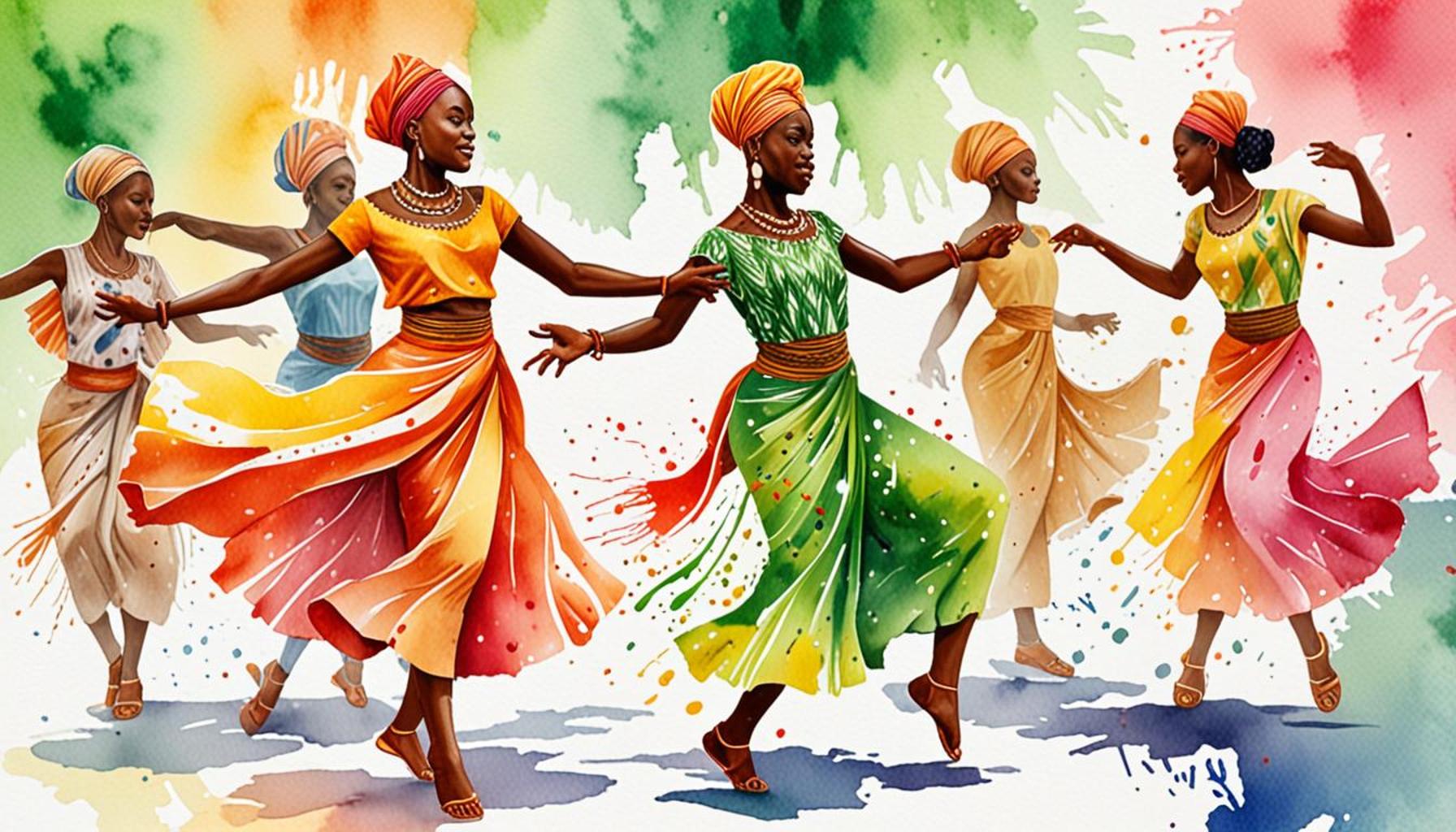
- Cultural Narratives: By embedding narratives of sustainability within their works, artists draw attention to pressing environmental issues just as the Ibo traditional dancers embody stories of unity and resilience. These cultural echoes prompt viewers to reflect on their own roles in environmental stewardship.
- Collaborative Projects: An increasing number of collaborations between artists, environmental organizations, and local communities signal a collective effort to advocate for sustainable practices. Initiatives like the Green Arts Festival, which showcases eco-friendly artwork, unify creatives and eco-enthusiasts while promoting awareness on sustainability.
- Art for Change: Activism through artistry is taking root among Nigerian musicians and visual artists alike. By employing their craft as a voice for the environment, many artists use their platforms to highlight issues such as deforestation and pollution, beckoning their audiences to take action directly.
The intricacies of this cultural revival are not limited to the aesthetic; they also foster a spiritual connection to the land that is often lost in mass production. Artists are increasingly aware of the materials they use and the impact on their communities. This consciousness is driving a dialogue around the significance of honoring ancestral traditions while adapting to the modern world’s environmental challenges.
While the path to a harmonious blend of craftsmanship and sustainability is fraught with complexities, the persistent efforts of Nigerian artists illuminate the way forward. Their ability to honor the past while envisioning a sustainable future exemplifies that true artistry lies in the ability to connect with both cultural roots and environmental needs. Such commitment encourages further exploration into sustainable artistic practices and reinforces the vital role of art in global conservation efforts.
RECOMMENDED: Check out this similar article
Conclusion: The Future of Artisanship and Ecological Responsibility
The exploration of craftsmanship and sustainability in Nigerian artistic expression reveals a dynamic interplay that transcends mere aesthetics. As artisans delve into their cultural heritage, they breathe new life into traditional practices, marrying them with modern imperatives of environmental stewardship. This approach not only preserves the rich tapestry of Nigeria’s artistic legacy but also champions a sustainable future that respects both the land and its people.
The revival of techniques such as Adire dyeing and sustainable wood carving underscores a collective understanding of the ecological ramifications of artistic production. Artists are embracing their roles as custodians of cultural narratives, weaving sustainability into the very fabric of their creations. These narratives extend beyond the individual piece, igniting a broader dialogue about environmental responsibility and community resilience.
Looking ahead, the synergy between craftsmanship and sustainability offers fertile ground for innovation. Collaborative initiatives, such as those seen in the Green Arts Festival, exemplify the community-driven efforts to promote eco-friendly practices while showcasing the depth and richness of Nigerian art. The increase in activism through artistry, as addressed by many artists, emphasizes the power of creative expression to inspire change.
In essence, the intersection of craftsmanship and sustainability not only champions the preservation of cultural identity but also positions Nigerian artisans as key players in the global narrative surrounding environmental conservation. This ongoing journey encourages deeper inquiry into the symbiotic relationships between art, culture, and ecological integrity, inviting us all to participate in the creation of a more sustainable future.