Global Influences in Cuisine: How International Gastronomy is Transforming Traditional Nigerian Dishes
Understanding Nigeria’s Dynamic Culinary Transformation
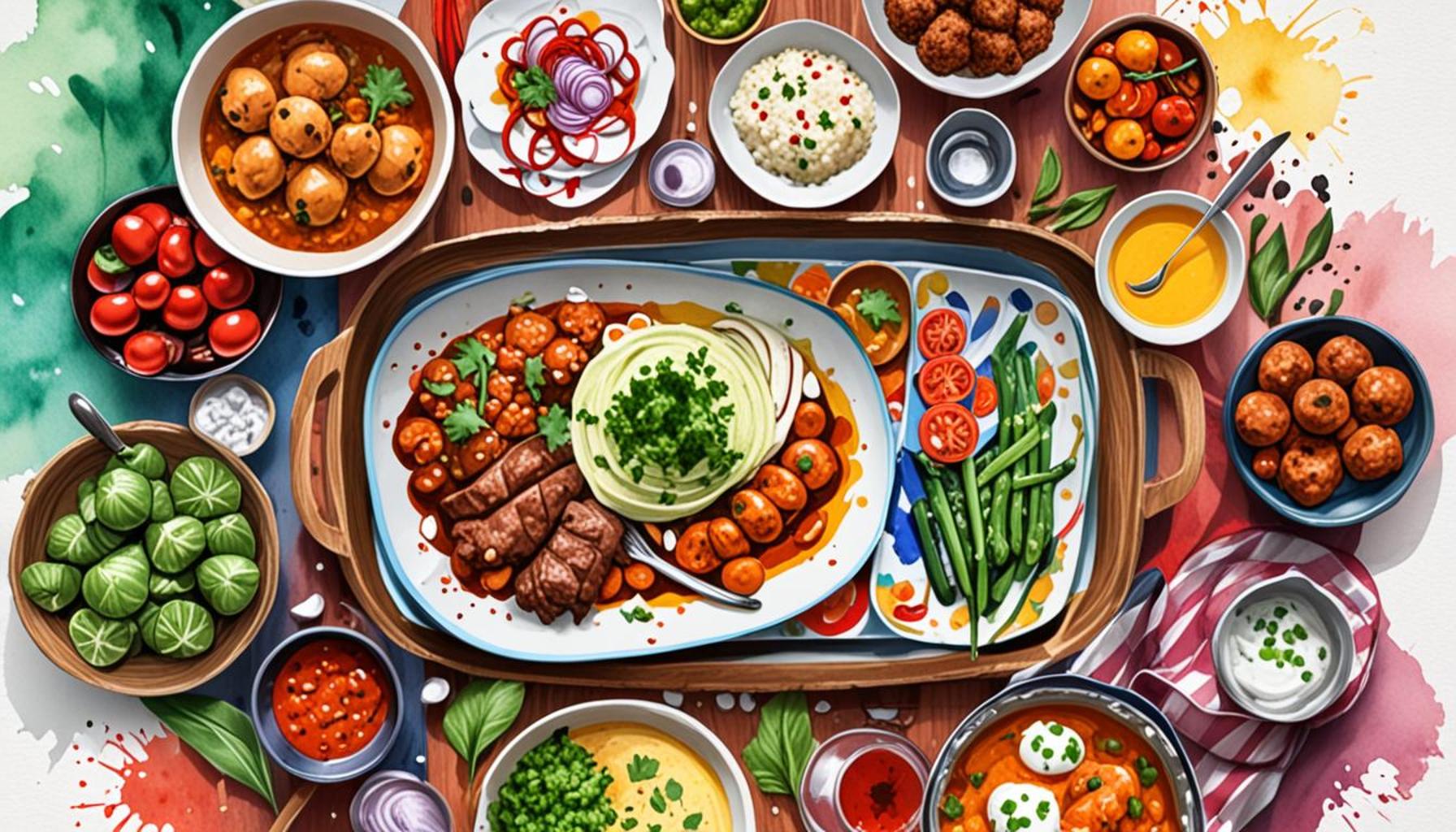
The evolution of Nigeria’s culinary landscape is not just a trivial change; it represents a vibrant tapestry woven from various cultural threads. As global influences become increasingly intertwined with local traditions, Nigerian cuisine is not only growing but redefining itself in exciting and innovative ways.
A variety of factors are contributing to this gastronomic metamorphosis:
- Migration: With the movement of people, culinary traditions from regions such as Asia and Europe are finding a home in Nigerian kitchens. Nigerian communities abroad also bring back new recipes and techniques, fostering a culinary exchange that enriches local food cultures. For example, Korean barbecue has gained popularity in Lagos, creating a fusion where it meets the smoky flavors of Nigerian grilled meats.
- Media Exposure: The proliferation of cooking shows and platforms like Instagram, TikTok, and YouTube has democratized the culinary world. Nigerian food enthusiasts can now watch chefs from different parts of the world and learn new cooking techniques, which inspires them to put a creative spin on traditional dishes. This cross-pollination of ideas fuels the culinary creativity that defines contemporary Nigerian cuisine.
- Global Ingredients: The culinary landscape is further diversified as international ingredients become available in local markets. From the importation of quinoa and couscous to the enhanced availability of Mediterranean spices, chefs and home cooks alike are experimenting with new flavor profiles that compliment traditional elements of Nigerian fare, thus refreshing age-old recipes.
Innovative chefs are particularly keen on reinterpreting local staples such as jollof rice and egusi soup. These dishes serve as canvases for global culinary influences:
- Jollof Rice: This beloved dish is now seen in its new avatars with the addition of spices from India like garam masala or fresh herbs such as basil and thyme more common in Mediterranean cuisine. The traditional tomato base meets new textures and flavors, inviting a new generation of food lovers to explore.
- Egusi Soup: Chefs are pairing melon seeds with unexpected vegetables like spinach and swiss chard, while also utilizing international stock techniques to create a broth that alters the classic texture and flavor profile, resulting in a rich and hearty dish that is both familiar and novel.
This culinary evolution is more than just a blend of flavors; it embodies a broader narrative of cultural exchange and adaptation. As Nigeria stands at this crossroad of tradition and modernity, it provides a lens through which global and local events influence one another.
Embark on this flavorful journey and explore the remarkable transformations shaping Nigeria’s food scene. As tastes evolve, they unveil rich stories behind each plate, showcasing the resilience and innovation inherent in Nigerian culture. Join us in discovering the delectable possibilities that lie at the intersection of international gastronomy and local Nigerian traditions, where every dish has a tale to tell.
RECOMMENDED: Check out this similar article
Rediscovering Traditional Flavors through Global Lenses
The culinary world in Nigeria is undergoing a renaissance where traditional dishes are being reimagined through the lens of international flavors and techniques. As the global food scene continues to inspire local cooks and chefs, traditional Nigerian meals are evolving to embrace new identities while retaining their cultural essence. This transformation invites a deeper understanding of how gastronomy serves as a bridge between cultures.
One significant influence comes from urbanization, which fuels creativity and diversity as cities transform into melting pots of global cultures. Nigerian chefs are experimenting with unconventional pairings and techniques borrowed from their international counterparts. The typical market fare is now influenced by global trends, inviting diners to experience traditional dishes through a modern twist that surprises the palate.
For instance, the popular suya skewers, traditionally seasoned with spicy pepper blends, are now being paired with Asian-inspired marinades, including teriyaki and sriracha, enhancing the smoky grilled flavor profiles. This cross-influence spins the delicacy into a new realm, catering to adventurous eaters while maintaining its beloved roots.
Another factor driving this change is the fusion of culinary practices. Nigerian chefs are increasingly incorporating international cooking methods into their repertoires. For example, slow-cooking techniques borrowed from French cuisine have found their way into the preparation of traditional stews, resulting in rich, layered flavors that captivate both local and international audiences.
This culinary exchange also extends to the growing presence of international food festivals in Nigeria, where local chefs showcase their versatility. Participants experiment with familiar Nigerian staples while using innovative presentation techniques and international flavor combinations. These festivals become platforms for cultural dialogue that not only highlight the uniqueness of Nigerian cuisine but demonstrate how it adapts and thrives within the global food community.
As diners become increasingly aware of the culinary arts, they crave dishes that tell a story of innovation and tradition. Here are some ways in which global influences are reshaping Nigerian dishes:
- Spice Blends: The traditional spice mix used in dishes like pepper soup is now seeing a renaissance with the incorporation of spices like cumin, fennel seeds, and even smoked paprika from international cuisines, adding complexity to beloved flavors.
- Texture Variances: Ingredients such as pasta and polenta have begun appearing in traditional Nigerian soups, offering unexpected textural contrasts that enrich the overall dining experience.
- Artisan Baking: The introduction of artisanal bread to complement soups and stews reflects the impact of international culinary practices and highlights the adaptation of local tastes to include foreign baking traditions.
Through this vibrant transformation, Nigerian cuisine is demonstrating an exciting narrative—it is not just about food, but about culture, heritage, and evolution. As global and local flavors intermingle, a new food identity is being forged, inviting eaters to experience the essence of Nigeria in every innovative bite.
| Advantage | Impact on Nigerian Cuisine |
|---|---|
| Culinary Fusion | The merger of flavors from different cultures promotes unique dishes that reflect Nigeria’s diverse culinary landscape. |
| Enhanced Flavors | Global spices and techniques elevate traditional recipes, attracting food enthusiasts and tourists to explore Nigerian cuisine. |
The transformation of Nigerian cuisine through global influences is profound and multifaceted. With the influx of diverse culinary traditions, Nigerian dishes are evolving into vibrant, innovative creations. This culinary fusion not only promotes a unique dining experience but also enhances the country’s traditional flavors. Take, for instance, the integration of global spices and cooking techniques. Ingredients such as cumin and smoked paprika are now being infused into traditional stews, drawing international palates while making traditional meals more appealing to a broader audience. The intersection of local and international gastronomy not only preserves the essence of Nigerian cuisine but propels it into the global spotlight. As international travel and cultural exchanges continue to grow, Nigerian chefs are adopting and adapting techniques from various world cuisines. This practice not only invigorates local food scenes but also crafts a culinary narrative that speaks to the rich tapestry of Nigeria’s cultural heritage. Food enthusiasts and curious diners are encouraged to explore the evolving landscape of Nigerian gastronomy, revealing how international influences are crafting a new identity for traditional dishes.
RECOMMENDED: Check out this similar article
The Global Plate: A Culinary Exploration
The infusion of global influences in traditional Nigerian cuisine is not merely a trend but a dynamic fusion reshaping palates and perceptions across the nation. As traditional recipes transform, they bring forth a wave of excitement and creativity in the kitchen. By incorporating elements from diverse culinary traditions, Nigerian chefs are crafting experiences that both respect heritage and embrace innovation.
One area of transformation is in the realm of vegetarian and vegan adaptations of classic Nigerian dishes. As global awareness of health and sustainability grows, a fresh perspective is being applied to traditional meat-based meals. Dishes such as egusi soup or afang soup, usually rich in meat and fish, now often feature hearty plant-based proteins like lentils and chickpeas. These alternatives do not only cater to the rising demand for vegetarian diets but also introduce new flavor profiles that celebrate the richness of Nigerian ingredients.
Street food culture also plays a crucial role in this culinary evolution. Nigerians have increasingly begun experimenting with dishes like puff-puff, incorporating influences from international culinary staples. For example, puff-puff are sometimes filled with sweet or savory international ingredients, including chocolate, Nutella, or spiced chicken and cheese blends, showcasing creativity influenced by worldwide street food trends. This reimagining contributes to a growing appreciation of blending traditions, enhancing the communal experience that Nigerian street food exemplifies.
Not to be overlooked is the rise of social media in amplifying these global culinary innovations. Platforms like Instagram and TikTok are filled with content creators who showcase unique takes on Nigerian cuisine, merging it with global influences. Influencers are popularizing dishes such as banga soup drizzled with truffle oil or jollof rice served in bread bowls, creating visually stunning meals that capture attention and entice engagement. This exposure nudges traditional dishes into new narratives, appealing to younger generations and culinary explorers.
Moreover, the local supply chain is adapting to these changes. As diners express a desire for diverse flavors, suppliers are sourcing exotic ingredients that blend seamlessly with Nigerian staples. Items like quinoa, found in international health markets, have begun to make their way into local kitchens, where they serve as nutritious complements to traditional grains like rice or yam.
The involvement of Nigerian chefs in the global culinary scene adds another layer to this transformation. With participation in international culinary competitions and collaboration with renowned chefs from across the world, these chefs are in a unique position to bring back influences that profoundly change the way traditional dishes are perceived and enjoyed. A Nigerian chef crafting a modern interpretation of oho soup with Mediterranean spices illustrates how the culinary narrative is evolving through global engagement.
As Nigerian cuisine continues to absorb techniques and flavors from around the globe, it prompts an exciting exploration of identity and tradition. The mosaic of influences not only enriches the dining experience but also redefines what it means to savor the essence of Nigerian food culture today.
RECOMMENDED: Check out this similar article
Embracing the Culinary Shift
In conclusion, the interaction between global influences and traditional Nigerian cuisine paints a vibrant picture of culinary evolution. As international gastronomy threads its way into local kitchens, it ignites creativity among chefs and home cooks alike, resulting in dishes that transcend traditional boundaries. This transformation not only embraces ingredients from around the world but also respects the deep-rooted heritage of Nigerian food.
The growing emphasis on vegetarian and vegan adaptations reflects global concerns regarding health and sustainability, challenging conventional meat-centric dishes to innovate. Afang soup served with lentil patties or jollof rice paired with quinoa narrates a story of progress and inclusivity without discarding the essence of regional flavors.
Furthermore, the role of social media in showcasing these adaptations cannot be understated. By amplifying creative reimaginings of beloved dishes, platforms allow a younger audience to engage with their culinary roots while exploring global trends. This exposure not only cultivates a newfound appreciation for traditional dishes but also invites outside perspectives to join the conversation, enriching the culinary narrative.
As Nigerian cuisine continues to flourish within the tapestry of global gastronomy, it symbolizes a collective journey towards a fusion of flavors and experiences. This ongoing evolution encourages a cultural exchange that redefines what it means to savor the rich palette of Nigerian food. Ultimately, the future of Nigerian cuisine is brightened by an invitation to explore, innovate, and celebrate the delicious diversity born from global influences.