The Influence of Cultural Traditions on the Creation of New Forms of Visual Art in Nigeria
Cultural Foundations of Artistic Expression in Nigeria
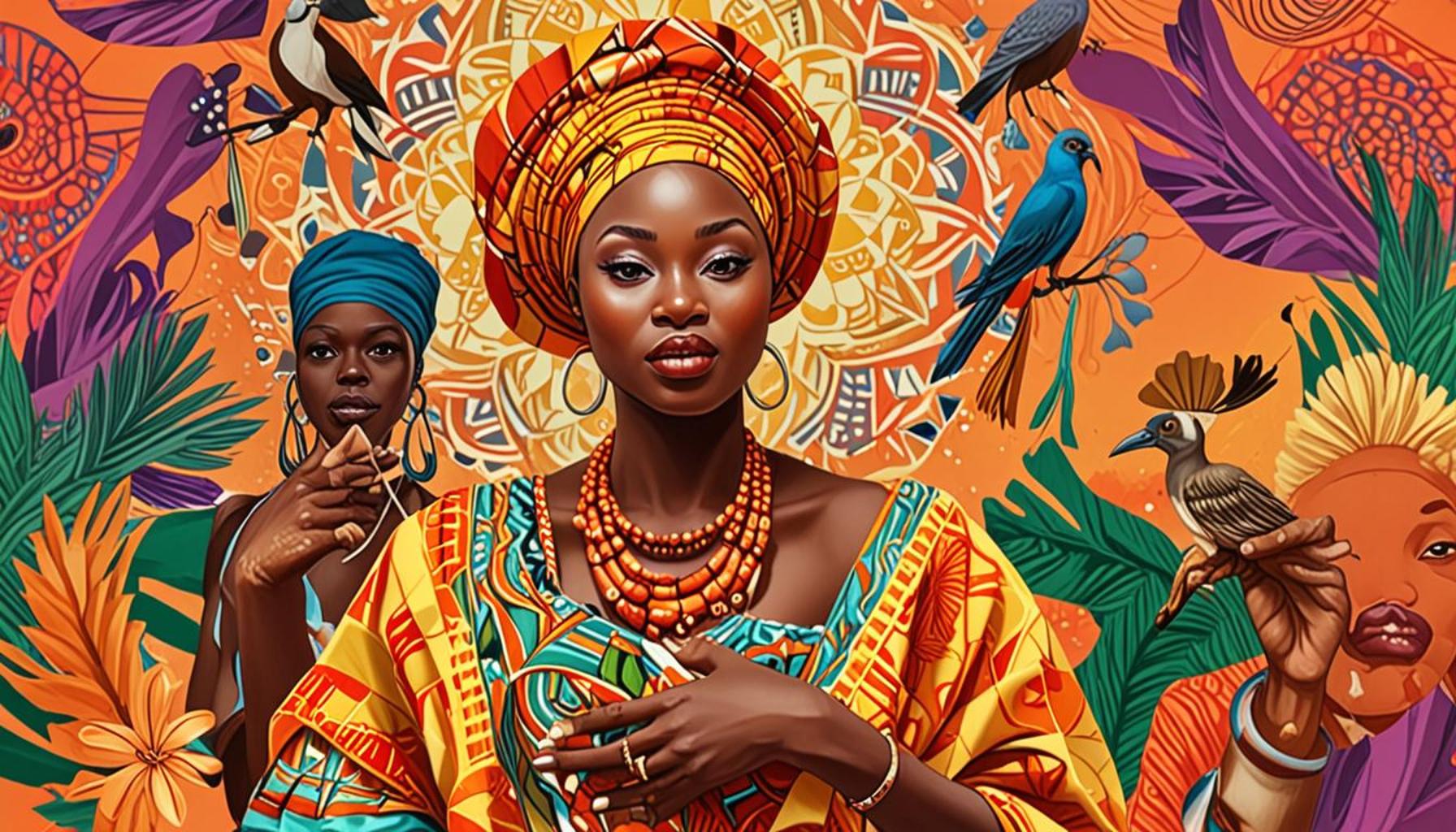
Nigeria boasts a rich and diverse cultural heritage, which plays a crucial role in shaping its artistic expressions. This vibrant tapestry, woven together by numerous ethnic groups, languages, and traditions, offers a unique backdrop for emerging visual arts. From the intricacies of traditional textile designs to the bold statements made by contemporary artists, the interplay between cultural heritage and modern influences creates an exciting landscape in Nigeria’s art scene.
Key Factors Influencing New Visual Arts
- Traditional Motifs: Indigenous symbols and patterns often find their way into modern artworks, acting as a bridge between the past and present. Artists like Peju Alatise have embraced motifs from Nigerian folklore, integrating narratives from oral traditions into paintings that introduce younger generations to their ancestry.
- Social Narratives: Many artists draw inspiration from pressing societal issues such as corruption, gender inequality, and environmental challenges, using their art to communicate powerful cultural stories. For instance, the works of artists like Ibrahim El-Salahi highlight the resilience of communities amid adversity, often provoking discussions on social justice and human rights.
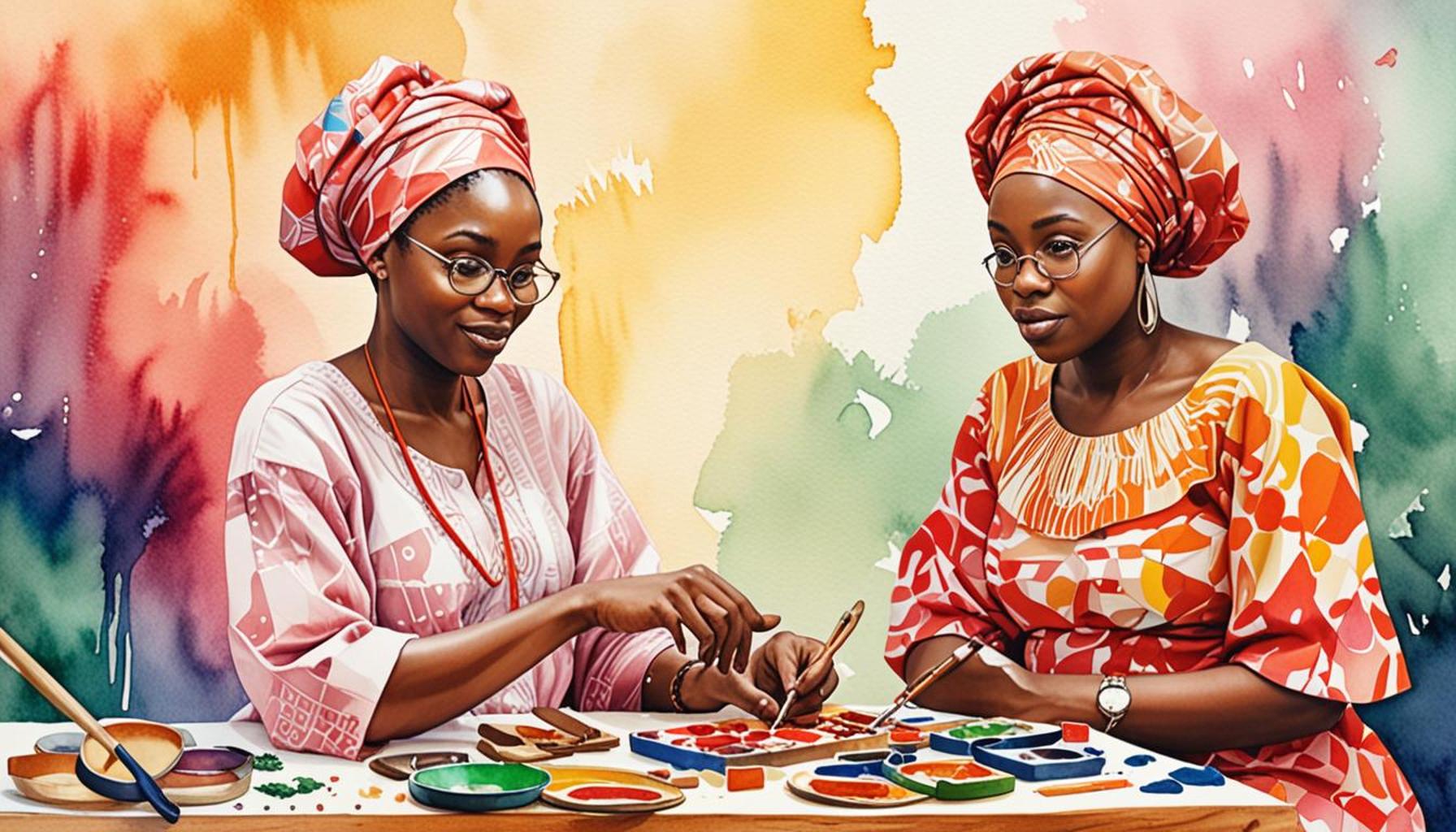
- Collaboration with Local Communities: Partnerships with traditional craftsmen, such as weavers, carvers, and bead-makers, enhance the authenticity and richness of new art forms. Initiatives like the African Arts and Crafts Initiative promote workshops that bring together contemporary artists and local artisans, forging creative alliances that celebrate both heritage and innovation.
The blending of age-old methods with contemporary techniques results in a compelling visual dialogue that resonates not only in Nigeria but across the globe. For instance, the fusion of traditional sculpture methods with digital artistry exemplifies this unique cultural synergy, as seen in the works of artists who create augmented reality experiences rooted in Nigerian folklore. This evolving artistic landscape raises questions about identity, migration, and the future of artistic expression in Nigeria.
Exploring these intersections reveals not just the work of individual artists but the hopes and challenges of a nation navigating its cultural identity through art. The emergence of innovative visual forms underscores the enduring influence of traditional practices while boldly pushing boundaries into uncharted territories. As globalization continues to influence Nigerian art, it invites audiences to engage in a dialogue that reflects the complexity and dynamism of a society in flux.
Nigeria’s art scene is a testament to the resilience of cultural identity. As artists forge ahead, they not only create beautiful visually striking pieces but also contribute to a broader conversation about what it means to be Nigerian in an ever-changing world. This rich interplay of tradition and modernity continues to inspire not only local audiences but also international admirers captivated by the narrative woven into every brushstroke, sculpture, or installation.
CHECK OUT: Click here to explore more
Roots of Artistic Inspiration: Cultural Synthesis
The contemporary visual arts landscape in Nigeria is significantly influenced by a multitude of cultural traditions that serve as a source of inspiration for artists. These traditions offer not only aesthetic elements but also profound meanings and narratives that shape new art forms. Artists are increasingly looking toward their heritage to craft innovative pieces that resonate with both local and global audiences. As they reinterpret traditional elements, they engage in a nuanced conversation about identity, history, and modernity.
Symbolism and Representation
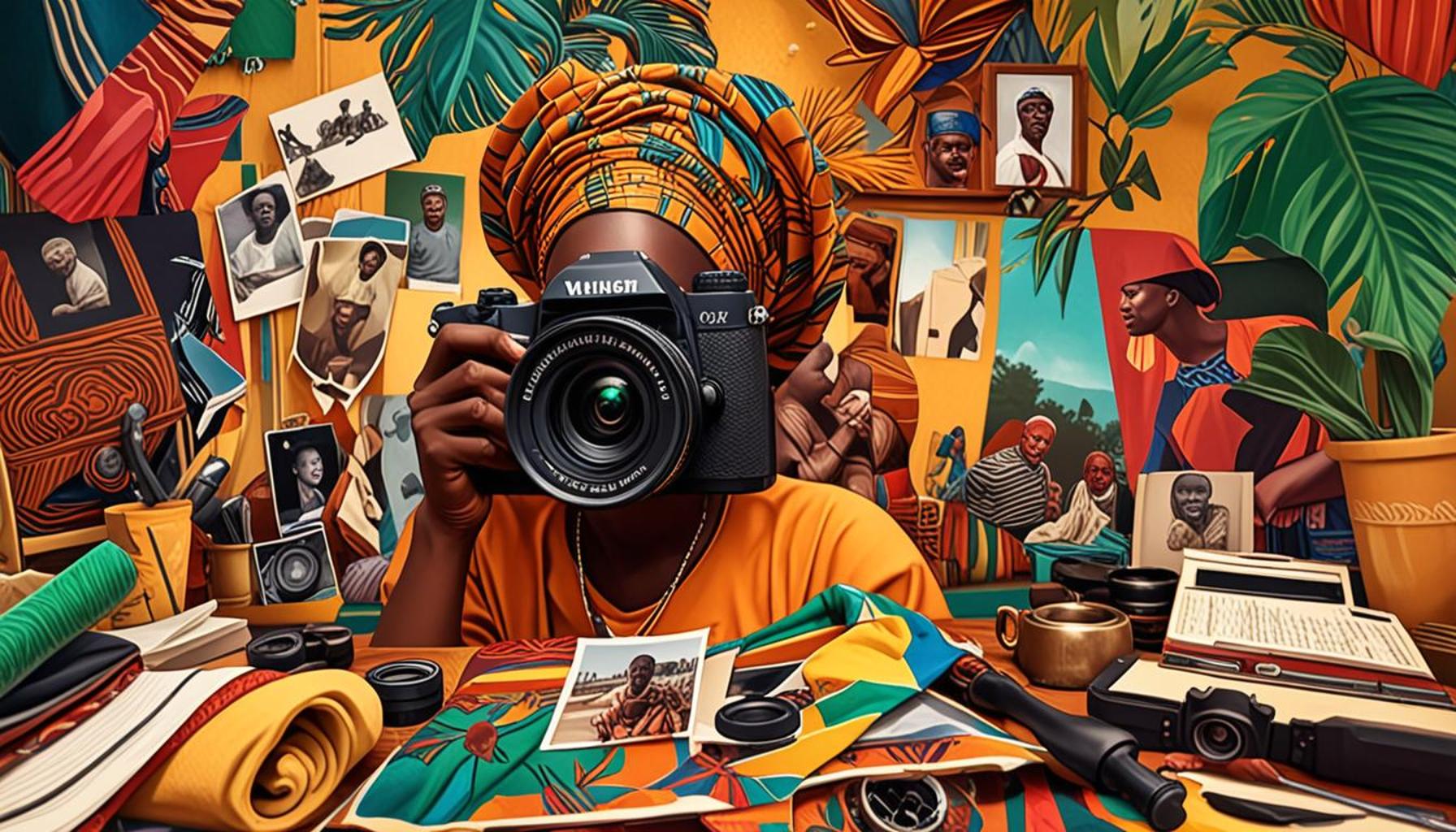
Central to the creation of new visual art forms in Nigeria is the use of symbolism. Many contemporary artists deftly incorporate traditional motifs, colors, and textures that are rich with cultural significance. The use of vibrant colors and traditional patterns is often evident in the works of emerging talents such as Omar Sulaiman, who employs Adire designs to explore themes of femininity and resilience. The intricate designs of Adire cloth, typically made through a tie-dye process, serve as more than just a visual element; they convey stories and historical contexts of the Yoruba people. Such traditional symbolism creates connections between generations while remaining relevant in discussions around contemporary issues.
Community Engagement and Collective Creation
- Art as a Collective Voice: Many Nigerian artists embark on collaborative projects that deepen their ties to local communities. By engaging with traditional craftsmen, they foster a spirit of co-creation that bridges the gap between contemporary art and cultural heritage. For example, the collaboration between contemporary painters and traditional wood carvers manifests in artworks that reflect a dialogue between old and new.
- Art Festivals and Cultural Events: Events such as the Lagos Biennial and the Art Twenty One initiative serve as platforms for artists to showcase their work while honoring traditional practices. These festivals not only draw local viewers but also attract international attention, enabling a broader understanding of Nigerian themes and artistic expressions.
- Educational Outreach: Workshops dedicated to preserving traditional art forms are becoming increasingly popular. Initiatives aimed at educating the youth about indigenous art techniques ensure that cultural knowledge is passed down, allowing for the creation of a new school of artists deeply rooted in their heritage.
This dynamic interaction among communities, artists, and traditional practices fuels a vibrant art scene that speaks to Nigeria’s multifaceted identity. The works emerging from this cultural synthesis not only challenge perceptions of contemporary art but also encourage dialogue on the importance of preserving cultural legacies. As artists push their creative boundaries, they are redefining what it means to create art in Nigeria—infusing traditional influences into modern expressions that reflect a society in evolution.
The Role of Cultural Symbols in Contemporary Nigerian Art
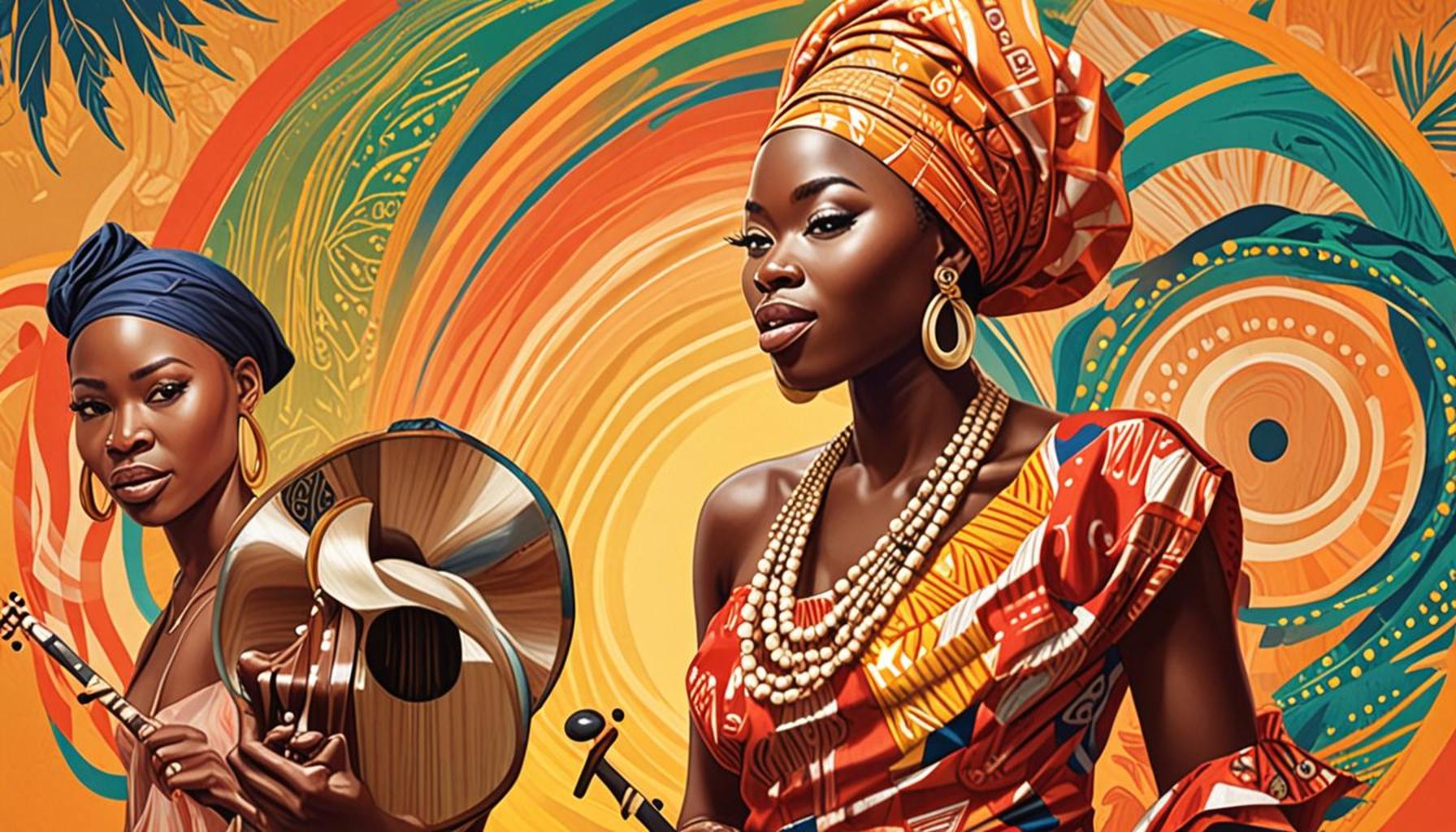
The vibrant tapestry of Nigerian culture offers a wealth of symbols and motifs that artists draw upon to create contemporary works. Traditional forms of expression, such as masks and textiles, are often reimagined in modern art, reflecting both a connection to the past and a response to contemporary issues. The integration of these symbols serves not merely as decoration but as a narrative device, allowing artists to communicate complex ideas related to identity, heritage, and social commentary.For example, the use of Adire fabrics—originating from the Yoruba people—has transitioned from a purely functional art form into a means of high artistic expression. Artists utilize these vibrant patterns to explore themes of cultural resilience and innovation, thereby bridging traditional art with modern aesthetics. This hybridization reflects a broader dialogue within Nigerian society, where artists engage with both local and global art movements, enriching the narrative of Nigerian visual art.
Impact of Festivals and Rituals on Artistic Expression
Festivals and rituals play an undeniable role in shaping the evolution of visual art in Nigeria. Events such as the Osun-Osogbo Festival not only celebrate spiritual traditions but also offer artists a platform to showcase their work. These gatherings foster creative exchange and inspire artists to produce pieces that resonate with communal values and historical significance. The interplay of performance art during these festivals enhances the visual experience, blurring the lines between art and ritual, and encouraging a deeper engagement from the audience.Moreover, as artists engage with these time-honored traditions, they challenge the perceptions of what modern Nigerian art can embody. The artistic expressions witnessed during these celebrations often reflect themes of social justice, environmental awareness, and cultural pride, thus broadening the scope and reach of Nigerian visual art. This dynamic interaction not only preserves cultural practices but also prompts a new appreciation for the cultural narratives that inform contemporary artistic trends in Nigeria.
The Influence of Global Trends on Local Art
While deeply rooted in tradition, Nigerian artists are also influenced by global artistic trends. The rise of digital media and globalization has allowed for the exchange of ideas and techniques that further shape artistic expression. Artists are experimenting with digital platforms and contemporary techniques, producing works that speak to both local and international audiences. This phenomenon reflects a contemporary renaissance, where tradition and modernity coexist harmoniously, creating a unique fusion that highlights Nigeria’s rich artistic heritage while addressing global themes.This blending of cultural influences leads to an exciting evolution in the visual arts, where traditional craftsmanship meets modern innovation. Artists in Nigeria are not merely absorbing influences; they are actively engaging with them, creating a new visual language that speaks to the complexities of identity in a rapidly changing world. As a result, the exploration of cultural traditions continues to significantly enrich the art scene in Nigeria, allowing it to thrive in the global landscape.
YOU MAY ALSO LIKE: Read read another article
Bridging Heritage and Innovation
In the vibrant tapestry of Nigerian visual art, the interplay between tradition and innovation is a hallmark that defines the artistic narrative. Artists are not merely inheritors of cultural legacy; they are active participants in the ongoing evolution of that legacy. This ongoing transformation is enriched by technological advancements and the diverse socio-political landscape that Nigeria presents. With a youthful population and an ever-expanding digital frontier, artists are tapping into technology to explore new forms of expression while still drawing from well-established cultural roots.
The Role of Technology in Artistic Creation
In recent years, the emergence of digital art has opened new avenues for artistic creation in Nigeria. Artists like Femi Ajayi have begun to utilize digital platforms to reinterpret traditional aesthetics, creating artworks that resonate in both physical and virtual spaces. The combination of traditional themes with digital techniques offers a freshness that attracts younger audiences. Furthermore, social media platforms allow artists to reach beyond local boundaries, showcasing their work to a global audience while still anchoring their narratives in Nigerian cultural experiences.
Reviving Traditional Techniques with a Modern Twist
- Fusion of Craft and Contemporary Art: Many artists are reviving ancient techniques and repurposing them within modern frameworks. For instance, the use of wood carving, an age-old tradition in Nigeria, is now being blended with contemporary sculptural practices. Notable works by artists such as Chinonso Okonkwo not only showcase this fusion but also serve as a commentary on societal changes, reflecting themes of sustainability and cultural renaissance.
- The Impact of Indigenous Narratives: Artists are increasingly tapping into folk tales, proverbs, and oral traditions to inform their works. These narratives allow for a rich layer of storytelling that can be appealing to diverse audiences. For example, the visual storytelling found in the murals of Uche Okeke conveys the spirit of the Ibo culture and its philosophical underpinnings, while also commenting on contemporary societal issues.
- Cultural Festivals as Artistic Platforms: Events such as the Osun-Osogbo Festival and the Durbar Festival serve not just as celebrations of heritage but also as wellsprings of artistic input, influencing a surge of contemporary artworks that draw on rich cultural motifs while asserting modern ingenuity. By blending rituals and modern artistry, these festivals create a conduit for artists to experiment with new forms while honoring traditional practices.
The resulting art is not merely a reflection of the past but a commentary on the present and a blueprint for the future. As Nigerian artists redefine their place within the global art scene, they carve out a narrative that is distinctly their own—a testament to how cultural traditions can inspire new forms of visual art, leading to an enriched dialogue on identity and heritage in an increasingly interconnected world. This convergence not only solidifies Nigeria’s position in the contemporary art milieu but also enhances the cultural dialogue that thrives on the intersection of tradition and modernity.
YOU MAY ALSO LIKE: Read read another article
Conclusion: The Ongoing Dialogue of Art and Culture
As we delve into the intricate relationship between cultural traditions and the creation of new forms of visual art in Nigeria, it becomes evident that this interplay is not simply a matter of merging old with new; it is a profound dialogue that breathes life into the artistic landscape. Artists are not only creators but also cultural custodians, harnessing the legacy of their heritage while innovatively critiquing and shaping contemporary society. The methods, materials, and narratives employed reflect a seamless blend of ancestral wisdom and modern practices, underlining the dynamism of Nigerian art.
Through the integration of digital techniques and the revival of traditional methods, artists are effectively pushing boundaries and inviting audiences into a richer cultural experience. Influential figures such as Femi Ajayi and Chinonso Okonkwo illustrate how contemporary expressions can breathe fresh life into age-old narratives, while festivals like the Osun-Osogbo serve as vibrant canvases for innovation. Moreover, the utilization of indigenous stories reinforces the importance of cultural identity, providing a crucial context that can engage local and global audiences alike.
In conclusion, the artistic journey in Nigeria is one of continued exploration and reinvention. As the voices of artists intertwine with cultural lore, they create a fabric that honors the past while illuminating the future, ensuring that Nigerian visual art remains a significant player on the global stage. This ongoing evolution invites us all to reflect on how cultural traditions can inspire and innovate, ultimately shaping our understanding of identity, community, and creativity in a rapidly changing world.