Photography as a Tool for Narrative and Cultural Documentation in Nigeria
The Role of Photography in Nigerian Culture
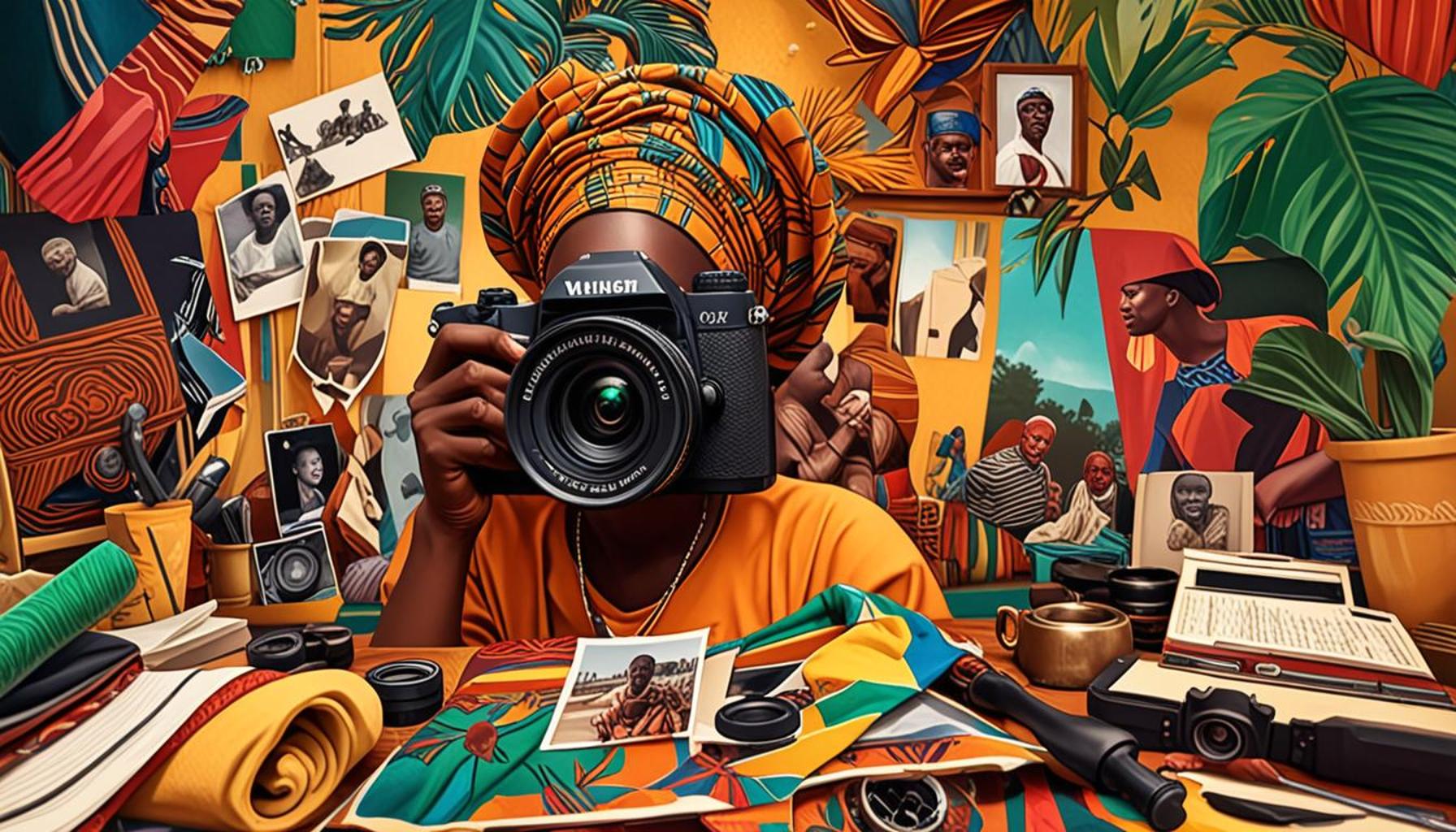
In a country as rich in diversity and history as Nigeria, the role of photography transcends mere artistry; it serves as a vital tool for narrative and cultural documentation. The act of capturing images has evolved into a powerful medium that reflects the heartbeat of the nation, showcasing its multifaceted identity.
Through the lens, photographers capture not only events but also the essence of societal change, traditions, and the everyday lives of Nigerians. Each image becomes a chapter in the expansive narrative of Nigeria, revealing the intricate tapestry of its people and landscapes. Key aspects of this narrative include:
- Storytelling: Every photograph tells a story, preserving memories and emotions. For instance, portraits of local market scenes in Lagos reveal not just the vibrancy of everyday commerce but also the stories of the individuals behind the stalls. Each person captured in these photos may have dreams and struggles that become visible in their expressions.
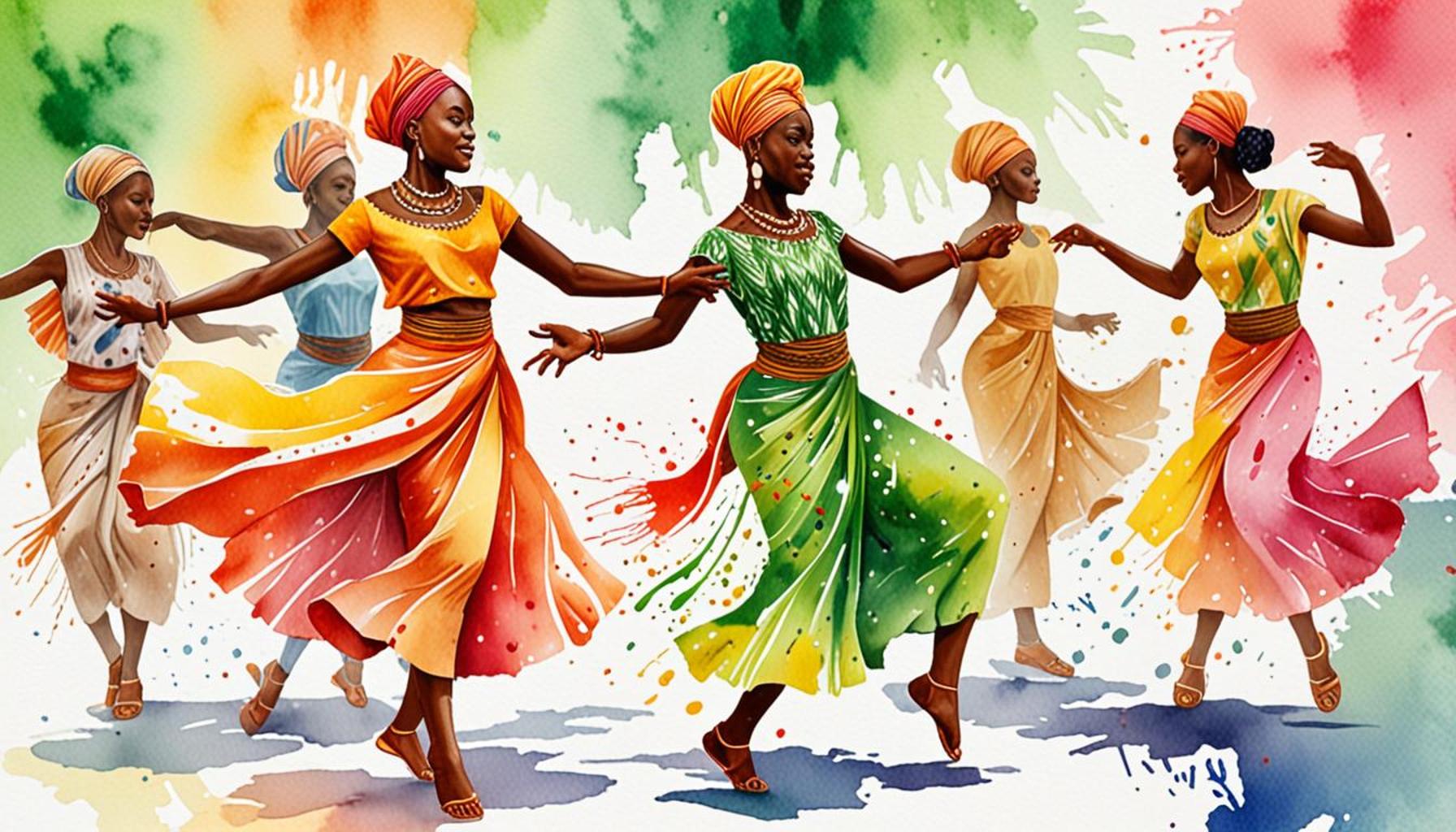
- Cultural Heritage: Photography documents cultural practices, fashion, and rituals unique to various ethnic groups, such as the elaborate wedding attire of the Yoruba or the traditional dances of the Igbo. These visual records serve to educate younger generations about their heritage, ensuring that traditions are acknowledged and revered.
- Social Issues: Photographers often use their work to shed light on pressing social issues, such as poverty, education, and health. Images that portray the realities of life in underprivileged communities serve not only to inform but also to provoke crucial dialogue and inspire action among viewers. For example, a poignant photograph depicting a child studying in a cramped environment evokes empathy and urgency for change.
As digital platforms proliferate, the reach of Nigerian photography is expanding exponentially. Local photographers are now engaging audiences not only within the country but globally, thereby reshaping perceptions of Nigeria. Internationally recognized figures like Tayo Fayose and Aisha Augie-Kuta use their work to tell powerful stories that challenge stereotypes and highlight the richness of Nigeria’s diverse culture.
From the bustling streets of Lagos to the serene landscapes of the North, each image speaks volumes. Photographs of the picturesque Sahara desert or the lush greenery of the Niger Delta capture not just geographical beauty but the spirit of resilience of the people living in these regions. This intersection between environment and culture provides a deeper understanding of Nigeria’s complexities.
This exploration of photography as a medium goes beyond simple artistry; it aims to document, inspire, and educate. By preserving its cultural identity through visuals, photography plays a crucial role in ensuring that the vibrant stories of Nigeria live on for generations to come.
ADDITIONAL INSIGHTS: Expand your understanding here
Capturing the Essence of Nigerian Diversity
Nigeria is a mosaic of cultures, languages, and traditions, making it a unique subject for photographic documentation. The intricate patterns of Nigerian life—from the bustling urban centers to the tranquil rural settings—are vividly depicted through the lens of photographers who act as chroniclers of modern-day Nigeria. Each photograph encapsulates a moment in time, revealing not just what is seen, but also the underlying narratives that form the bedrock of communal identity.
One of the most compelling uses of photography in Nigeria is its role in community storytelling. Photographers often traverse local neighborhoods, capturing candid moments that illustrate the day-to-day activities of Nigerians. These images serve as historical snapshots, preserving the unique character of various locales. For example, a photograph taken at the Balogun Market in Lagos not only showcases a marketplace filled with vibrant colors and activity but also tells the story of economic exchange and cultural interaction. The faces of vendors, buyers, and onlookers carry tales of persistence, innovation, and community spirit.
The impact of photography extends beyond individual narratives; it also plays a crucial role in documenting cultural events and festivals. Nigeria is home to a plethora of traditional celebrations, from the Osun-Osogbo Festival to the Durbar Festival in Kano, each representing a significant aspect of the country’s cultural heritage. Photographers capture the rich tapestries of traditional attire, the ceremonial rituals, and the joyous expressions of participants. These visual records not only preserve the memory of these events but also serve as educational resources for future generations, linking them to their ancestral roots.
Moreover, the rise of social media has transformed how narratives are shared and disseminated. Platforms such as Instagram and Twitter allow local photographers to reach a global audience, fostering a new appreciation for Nigerian culture. This digital visibility encourages a movement towards inclusivity, as diverse voices share their experiences and cultural practices. As a result, photography in Nigeria becomes a powerful means of countering the often one-dimensional perceptions of the country prevalent in mainstream media.
- Celebration of Heritage: Photographs of traditional attire, ceremonies, and local food ways document the rich heritage of varied ethnic groups.
- Awareness and Activism: Local photographers often use their work to spotlight important issues—like climate change affecting the Niger Delta or urban poverty in Lagos—sparking conversation and action.
- Empowerment of Local Voices: By showcasing untold stories through their lenses, photographers amplify the narratives of those who often go unheard, thus fostering a sense of agency within communities.
As photography continues to evolve, it remains an indispensable tool for the narrative and cultural documentation of Nigeria. By capturing the stories of its diverse people, breathtaking landscapes, and rich traditions, photography works not just to document history, but to create awareness, inspire dialogue, and forge connections among Nigerians and the global community.
Exploring the Impact of Photography on Nigerian Narratives
Photography in Nigeria serves as a potent medium for cultural expression and documentation, providing layers of richness to the local narratives. This medium transcends the mere capture of images; it offers a voice to the unspoken stories of communities across the nation. Whether it’s documenting the vibrant festivals, showcasing daily life in rural settings, or reflecting contemporary challenges in urban environments, photography creates an engaging tapestry that contributes to Nigeria’s cultural identity.
With the rise of social media platforms, photographers are not just documenting but actively participating in a broader dialogue about national heritage. Narratives conveyed through photography can challenge stereotypes and offer new perspectives, moving beyond traditional storytelling methods. They invite viewers to engage with the context of each photograph—be it through a lens of profound beauty or stark hardship.
The advancement in smartphone technology has democratized photography, allowing more Nigerians to partake in this narrative-building exercise. The ability to instantly share visual stories opens up avenues for engagement on both social and political issues, making every photograph a potential catalyst for discussion and reflection.
Moreover, photographic exhibitions highlight the myriad of cultures within Nigeria, from the Hausa and Yoruba to the Igbo and countless other ethnic groups. This representation fosters appreciation for the diversity of experiences that shape the nation, ensuring that the rich narratives of all communities are documented and celebrated.
| Advantages | Relevance |
|---|---|
| Promotion of Cultural Heritage | Photography documents traditional practices and preserves them for future generations. |
| Social Awareness | Visual storytelling draws attention to social issues, encouraging dialogue and action. |
The exploration of photography as a cultural tool in Nigeria remains essential for both current and future generations. It serves not just as a practice but as an ongoing narrative thread, stitching together the varied experiences that will define Nigeria’s history and identity.
SEE ALSO: Click here to read another article
Photography and Social Change in Nigeria
Beyond preserving cultural heritage and community stories, photography in Nigeria has emerged as a catalyst for social change. As the nation grapples with various socio-political issues—ranging from the fight against corruption to the struggle for gender equality—photographers play a pivotal role in highlighting these challenges through their lens. For instance, the proliferation of visual storytelling during the #EndSARS protests brought global attention to police brutality and systemic injustice in Nigeria. Photographers documented the peaceful demonstrations, capturing the resilience and determination of the youth as they stood for their rights. The vivid imagery served not only as a record of history but also mobilized collective action and advocacy.
The unique blend of traditional and contemporary subjects in Nigerian photography creates a space for cultural exchange and dialogue. Many photographers strive to break cultural boundaries by infusing modern aesthetics into their work while still honoring traditional customs. The work of artists like Tola Wewe and Tayo Fatunla exemplifies this merging of the past and present. By immortalizing modern portraits that reflect Nigeria’s dynamic urban life, they invite viewers to consider how contemporary narratives coexist with long-standing traditions. Their photographs explore themes like identity, migration, and technology, prompting reactions and conversations that resonate on multiple societal levels.
Moreover, the accessibility of photography through mobile devices has democratized the medium. Young Nigerian photographers, particularly those in urban areas, are connecting through grassroots initiatives and collaborations. They use social media to amplify their stories, ensuring a diverse representation of Nigerian culture. As a result, this new wave of creatives often tackles contemporary issues and reflects the lived experiences of everyday Nigerians. Movements such as Lagos Photo Festival and Art Twenty One serve as platforms for emerging talents to showcase works that challenge conventional narratives and broaden the understanding of Nigeria.
- Education and Empowerment: Photography workshops and mentoring programs are being introduced across Nigeria, empowering young people with skills in visual storytelling. This not only enhances their artistic abilities but also cultivates confidence and entrepreneurial opportunities.
- Community Healing: After periods of political unrest or natural disasters, photography has been utilized as a tool for recovery and healing. Photo exhibitions often provide a space for communities to come together, sharing their experiences while fostering empathy and understanding.
- Documenting Change: As the nation evolves, photographers are at the forefront of recording how societal norms and behaviors shift over time. This historical documentation becomes invaluable for academics, researchers, and policymakers aiming to understand and address the dynamics of Nigerian society.
The integration of photography into storytelling has the potential to capture not only the visuals but the emotional essence of lived experiences in Nigeria. By wielding their cameras, photographers illuminate pressing issues, celebrate the beauty of community, and challenge stereotypes, thus enriching the visual narrative of a truly diverse and dynamic nation.
LEARN MORE: This related article may interest you
Conclusion
In an ever-evolving Nigeria, photography stands as a powerful instrument for narrative and cultural documentation, encapsulating the essence of a nation’s experiences, struggles, and triumphs. As explored throughout this article, the interplay of traditional practices and modern interpretations within the realm of photography fosters a rich dialogue that reflects the multifaceted identity of Nigeria. Whether through documenting social change, advocating for grassroots movements, or celebrating the country’s diverse heritage, photography serves as a universal language, crossing cultural barriers and connecting people.
The rise of digital technology and social media has further democratized this medium, allowing a new generation of photographers to tell their stories and amplify the voices of marginalized communities. The impact of initiatives like the Lagos Photo Festival not only showcases emerging talents but also signals a shift towards an inclusive representation of Nigerian culture. As photographers delve into themes of identity, migration, and social justice, they do more than capture moments; they shape perceptions and inspire action.
Ultimately, the role of photography in documenting Nigeria’s narrative extends beyond mere imagery; it embodies a collective memory that guides future generations in understanding their past. As this visual landscape continues to expand, it becomes imperative for both photographers and viewers alike to engage critically with these narratives. By embracing the stories told through the camera lens, we contribute to a richer, more nuanced appreciation of Nigeria’s vibrant tapestry.