The Role of Dance in Promoting Nigerian Identity and Cultural Diversity
The Cultural Significance of Dance in Nigeria
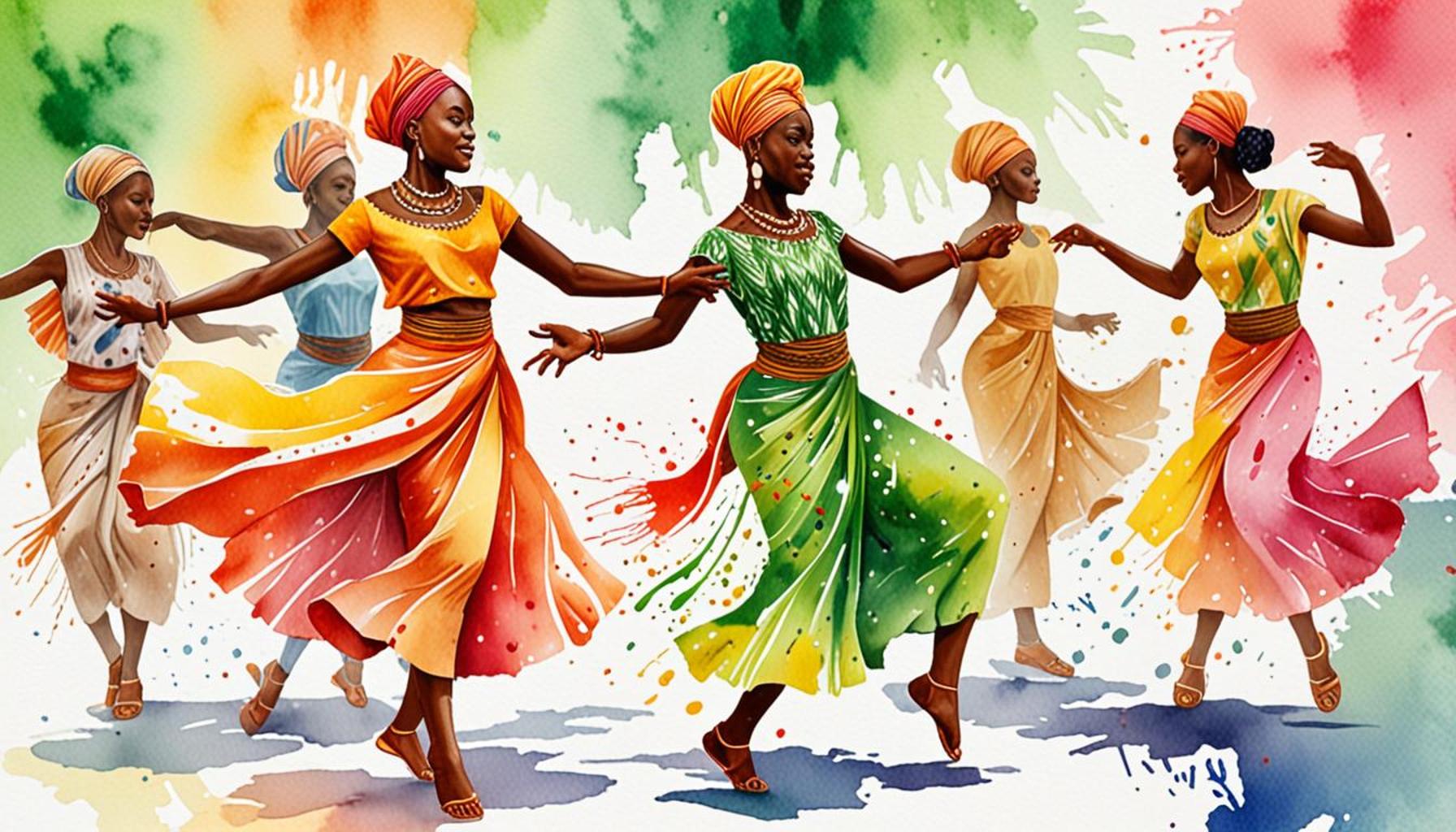
In Nigeria, dance transcends mere performance; it acts as an essential conduit for storytelling, cultural expression, and historical documentation. With over 250 ethnic groups—each with unique languages and customs—dance serves as a universal language that unites the people. For instance, the intricate movements found in Igbo dance are not just entertaining but are imbued with meaning that narrates tales of harvest, spirituality, and community cohesion. Similarly, the graceful and expressive steps of the Yoruba serve to celebrate rites of passage and religious ceremonies, while the energetic and lively beats of the Hausa reflect their strong communal values and interaction with the environment.
Throughout Nigeria, various forms of dance are integral to festivals, religious celebrations, and social events. These performances allow communities to express their identity, beliefs, and heritage, establishing a sense of belonging. For example, the Durbar Festival held annually in Kano is a magnificent display of horsemanship and traditional dance, where the rhythmic pounding of drums complements the grandeur of both the horsemen and the dancers, creating a spectacular fusion of sight and sound. This festival not only showcases cultural pride but also attracts tourists, which contributes significantly to the local economy.
Similarly, the New Yam Festival, celebrated by the Igbo people, features communal dances that honor the yam, a staple of their diet and a symbol of prosperity. These dances, vibrant and full of life, foster community spirit and a connection to ancestral practices. During this festival, families join together in a display of gratitude for a bountiful harvest, reinforcing the importance of agriculture in Nigerian culture.
The Oro Festival among the Yoruba, on the other hand, offers an immersive experience, as traditional dancers narrate tales of their ancestors and heritage. The dance movements, often elaborate and symbolic, serve both educational and entertainment purposes, ensuring that history is not forgotten but adapted for modern audiences.
As Nigeria continues to embrace modernization, the role of dance remains pivotal. It evolves while still holding onto its roots, providing a vital link to cultural diversity and a sense of national identity. The ongoing interest in Nigerian dance, both locally and globally, emphasizes its relevance and the need to preserve these cultural expressions for future generations. From local grassroots performances to international dance stages, the dance of Nigeria is a call to celebrate and explore the rich narratives hidden in every movement.
ADDITIONAL INSIGHTS: Expand your understanding here
The Diversity of Dance Forms Across Nigeria
The remarkable tapestry of Nigerian culture is vividly expressed through its myriad dance forms, each carrying its own unique significance. Dance styles flourish not only as forms of entertainment but as important cultural artifacts that reflect the diverse identities of the country’s ethnic groups. In Nigeria, dance is often categorized into traditional and contemporary forms, both of which play crucial roles in promoting Nigerian identity and celebrating cultural diversity.
Traditional dance forms such as the Ekombi dance of the Efik people and the Gerewol festival dances of the Wodaabe highlight the local traditions, customs, and rhythms of the various regions. These dances are deeply intertwined with spiritual expressions and often serve to convey messages of love, war, and communal values. The Ekombi, with its intricate footwork and body movements, tells stories of resilience and togetherness, while the vibrant and competitive Gerewol showcases beauty, courtship, and social bonding.
In contemporary settings, dance evolves and adapts, merging traditional styles with modern influences such as hip-hop, Afrobeat, and traditional African rhythms. Performers like P-Square and Wizkid, popular musicians from Nigeria, often incorporate traditional dance movements into their music videos and live performances. This fusion not only demonstrates the versatility of Nigerian dance but also attracts a younger audience, creating a renewed interest in traditional dance forms.
Moreover, dance workshops and cultural festivals increasingly showcase the importance of preserving these traditional forms, offering sessions that educate participants about their historical contexts and contemporary relevance. Here are some notable dance festivals in Nigeria that demonstrate this cultural vibrancy:
- The National Festival of Arts and Culture (NAFEST): This annual event celebrates the country’s rich artistic heritage, bringing together performers from various ethnic groups to showcase their dance styles, crafts, and music.
- The Lagos Carnival: A festival that combines cultural expressions from all corners of Nigeria, featuring vibrant parades, energetic dancers, and traditional costumes that reflect the country’s diversity.
- The Osun-Osogbo Festival: A UNESCO-recognized festival that celebrates the Osun River and its goddess. Traditional dances performed during this festival are pivotal in reinforcing cultural beliefs and communal identity.
The presence of these festivals highlights how dance acts as a bridge between generations, making it imperative for younger Nigerians to engage with their heritage. Through participation in communal dances, individuals can experience and appreciate their cultural history first-hand, while also reinforcing their place within the national identity. In this way, dance fosters not only a connection to the past but also a sense of pride in the rich diversity that defines contemporary Nigerian society.
Dance in Nigeria transcends mere entertainment; it is a profound medium for preserving and celebrating cultural heritage. Traditional dances, such as the Ekombi from the Efik people, and the Gerewol of the Wodaabe, serve as a vivid reminder of Nigeria’s rich cultural diversity. Each movement, rhythm, and gesture tells a story, encapsulating the values, beliefs, and history of diverse ethnic groups. By participating in these dances, individuals embrace their heritage, fostering a sense of pride while reinforcing communal bonds.Moreover, dance acts as a platform for cultural exchange, encouraging dialogue among Nigeria’s many ethnicities. Collaborative performances bring together dancers from different backgrounds, showcasing the beauty of harmony in diversity. For instance, contemporary dance festivals may feature styles ranging from the Yoruba “Ijo Olosha” to the Ibo “Nkwa Umuagbogho,” thereby promoting mutual respect and understanding.Additionally, dance is increasingly becoming a tool for social change and activism within Nigeria. Through dance, artists and cultural groups address pressing societal issues, from gender equality to environmental awareness. This capacity to communicate messages through movement resonates widely, engaging audiences on both local and global stages.Nigerian dance is also gaining international recognition, propelling its artists into the global limelight. Events like the Nigerian Dance Festival attract diverse participants, stimulating interest in traditional and contemporary forms alike. The global influence of social media further amplifies this cultural exchange, with viral dance challenges inspiring a new generation to explore their roots and share their heritage.As the nation continues to evolve, dance will remain a vibrant thread woven into the fabric of Nigerian identity, fostering unity and understanding amidst its rich tapestry of cultures. As we delve deeper into the significance of dance, we uncover layers of history and emotion that continue to shape the Nigerian narrative and affirm the irreplaceable role of cultural diversity within it.
LEARN MORE: This related article may interest you
Dance as a Tool for Social Cohesion and Identity Affirmation
Beyond its rich aesthetic appeal, dance in Nigeria serves as a vital tool for social cohesion and identity affirmation. In a country marked by over 250 ethnic groups and numerous languages, dance acts as a universal language through which Nigerians can express their cultural heritage and foster unity. Whether in family gatherings, community events, or larger cultural festivals, dance enables individuals to connect on a deeper level, bridging gaps across ethnic, religious, and social divides.
Take, for instance, the Ogene dance of the Igbo people, which is often performed during celebrations and communal gatherings. The rhythmic clapping of hands and the vibrant beats of traditional drums create an atmosphere where everyone, regardless of their background, can participate and celebrate shared values. This inclusivity strengthens communal ties, turning dance into a medium of collective identity. Furthermore, the performance of traditional dances during national gatherings, such as independence celebrations or sporting events, fosters a sense of belonging amongst Nigerians, reinforcing national pride.
Moreover, dance has evolved into a platform for discourse around contemporary social issues in Nigeria. With the rise of genres such as Afrobeats blending traditional elements with modern beats, artists and dancers are using their platforms to address societal challenges like corruption, economic disparities, and youth unemployment. For example, the Shaku Shaku dance, which gained popularity in urban centers, communicates youthful energy and resilience. This allows the younger generation to articulate their struggles and aspirations, making dance a powerful agent for social change.
The intersection of dance with activism is notably evident in movements like the End SARS protests, where participants often used music and dance as symbols of resistance and unity. By blending traditional dance forms with modern expressions of art, the protesters were able to instill a message of hope while asserting their Nigerian identity. This melding of performances not only brings visibility to their cause but also emphasizes the cultural richness inherent to Nigerian identity.
Dance workshops, particularly those organized by cultural institutions and organizations, further reinforce this social cohesion. These workshops often attract participants from diverse backgrounds, fostering exchanges that enrich the cultural understanding among Nigerians. For instance, initiatives like Sekere dance workshops not only provide education about traditional rhythms and movements but also encourage participants to share their personal stories and interpretations, which in turn deepens their appreciation for Nigeria’s cultural diversity.
The importance of dance in education cannot be overstated. Many schools across Nigeria are incorporating traditional dance into their curricula, giving students a platform to learn about their heritage while simultaneously encouraging creativity and self-expression. This educational approach ensures that dance remains integral to Nigerian identity, passing down critical cultural narratives to younger generations.
Ultimately, Nigerian dance acts as a dynamic vehicle for cultural expression and identity. By participating in and promoting diverse dance forms, Nigerians not only embrace their uniqueness but also contribute to a broader narrative of inclusivity and social harmony, reinforcing the belief that through dance, identity can be celebrated and strengthened in ever-evolving ways.
YOU MAY ALSO LIKE: Read read another article
Conclusion
In conclusion, the role of dance in promoting Nigerian identity and cultural diversity is both profound and multifaceted. It serves as a vibrant expression of the nation’s rich cultural tapestry, uniting individuals from diverse backgrounds while celebrating their unique heritages. Beyond mere entertainment, dance is a powerful form of social cohesion, creating bonds that transcend ethnic, religious, and generational divides. Through traditional and contemporary dance forms, Nigerians reaffirm their identities and engage in critical dialogues about pressing social issues.
The recent rise of dance movements linked to activism, such as during the End SARS protests, showcases how dance can articulate resistance and resilience against systemic challenges, thereby reinforcing national pride and cultural solidarity. Additionally, initiatives like dance workshops not only provide invaluable cultural education but also foster intergenerational exchanges, ensuring that traditional dance forms are preserved and adapted for future generations.
As Nigeria continues to evolve, dance remains a crucial part of its cultural landscape, acting as a lens through which the complexities of identity and diversity can be explored. This dynamic art form invites all Nigerians to actively participate in shaping their cultural narratives, reinforcing a shared sense of belonging and community. Therefore, embracing and promoting the myriad dance traditions across the nation is essential for continuing to nurture the rich heritage that defines Nigerian identity in an interconnected world. The journey of dance in Nigeria exemplifies how art can unite, heal, and celebrate the essence of who we are as a people.