The Influence of Nigerian Traditional Music on Modern Artistic Expression
Exploring Cultural Resonance
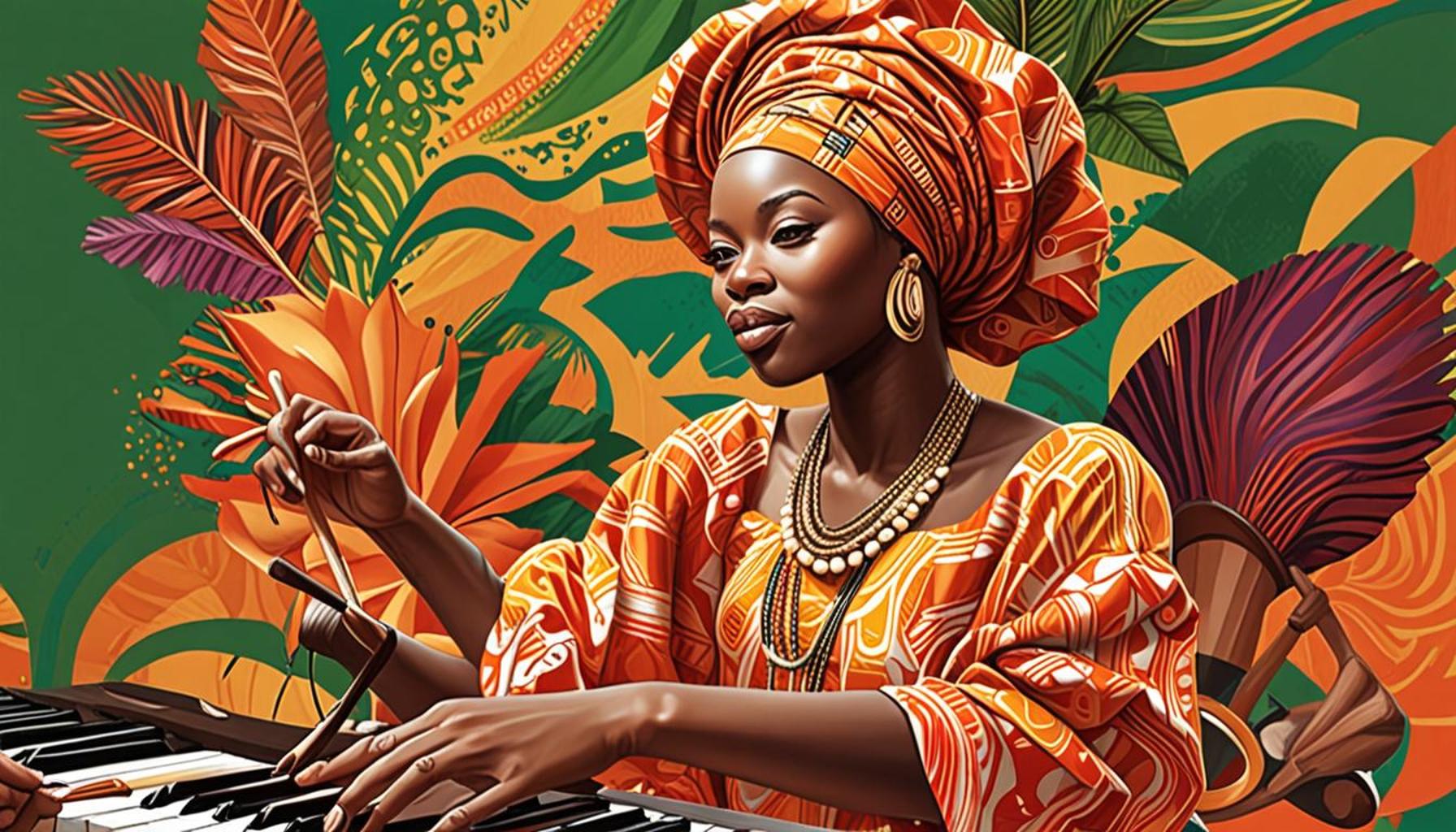
Nigeria is a land of vibrant cultures, deeply rooted traditions, and an expansive history that is vividly expressed through its traditional music. This musical heritage is more than mere entertainment; it serves as a vessel for stories, beliefs, and the collective identity of the many ethnic groups within the nation. As the world becomes increasingly interconnected, the impact of Nigerian traditional music on modern artistic expression is not just significant but transformative, influencing a myriad of contemporary art forms and redefining creative landscapes.
Key Features of Traditional Music
- Instruments: The traditional instruments of Nigeria are both unique and essential to the soundscapes they create. The Talking Drum, also known as the dundun, is famed for its ability to mimic human speech through varying tones. The Shekeré, a gourd covered in beads, adds a rich, resonant sound, while the Udu, a clay pot used in drumming, produces deep, rhythmic tones that anchor many musical forms.
- Rhythmic Patterns: Nigerian traditional music features complex polyrhythms that enrich compositions. These intricate layers of rhythm are pivotal in styles like Highlife and Afrobeats, showcasing influences from various regions of Nigeria. This complexity provides a fertile ground for contemporary musicians looking to innovate while respecting their cultural lineage.
- Storytelling: A fundamental aspect of Nigerian traditional music is its storytelling. Lyrics often incorporate themes reflecting societal issues, ancestral wisdom, and moral lessons, thus serving both educational and entertainment purposes. For example, songs that convey the struggles of the farmer or the joy of a wedding celebration resonate deeply with listeners, promoting a sense of community and shared experience.
This rich fusion of traditional music with modern artistic practices can be observed across various forms, including dance, visual art, and theater. Artists and performers often blend these ancestral sounds into their work to create experiences that resonate with both Nigerian audiences and the global stage. For instance, contemporary dance troupes might incorporate traditional rhythms into modern choreography, crafting performances that celebrate their heritage while appealing to a wider demographic.
Embracing Heritage
Contemporary musicians such as Burna Boy and Yemi Alade exemplify this intersection of tradition and modernity in their work. Burna Boy’s music often infuses elements of highlife, reggae, and dancehall, manifesting a sound that is both nostalgic and innovative. Yemi Alade, on the other hand, has successfully integrated Nigerian Pidgin English and traditional instrumentation into her pop tracks, leading to widespread acclaim across borders.
As Nigerian art and culture continue to evolve, it is imperative to recognize and appreciate the richness behind this interplay. By embracing and celebrating their roots, contemporary creators are not only preserving their cultural heritage; they are also crafting new narratives that invite exploration and connection. This ongoing dialogue between past and present fosters a vibrant cultural ecosystem, where old meets new, and tradition is reimagined for future generations.
SEE ALSO: Click here to read another article
From Roots to Rhythm
Nigerian traditional music has served as a robust foundation for a thriving modern artistic scene, forging connections between generations and diverse creative pursuits. At its core, this musical heritage is imbued with significance and emotional power, shaping the identity and expression of contemporary artists across various domains. With a focus on integrating traditional themes, instruments, and storytelling techniques, modern creators are weaving a rich tapestry that honors the past while innovating for the future.
The Evolution of Sound
One cannot discuss the influence of Nigerian traditional music without acknowledging its dynamic evolution over the years. Traditionally, music has played a central role in communal life, accompanying rituals, celebrations, and storytelling. The juxtaposition of ancient rhythms with modern sounds allows contemporary artists to express the complexities of present-day Nigerian society. This fusion is not merely a trend but a necessity as artists strive to communicate their experiences in an increasingly globalized world.
- Collaboration with Global Genres: Contemporary musicians are actively engaging with genres such as hip-hop, R&B, and electronic music. The result is a fresh sound that retains indigenous elements while appealing to a broader audience. For instance, the marriage of traditional percussion with trap beats showcases how Nigerian artists are pushing creative boundaries.
- Influence on Fashion and Visual Arts: The aesthetic appeal of traditional music is spilling over into fashion and visual arts. Designers incorporate motifs and patterns derived from traditional songs and dances, creating garments and artworks that resonate with cultural significance while remaining trendy. This cross-pollination elevates Nigerian culture on the global stage, captivating international art enthusiasts.
- Revival of Traditional Dance Forms: Dance is an integral part of Nigerian culture, and modern choreographers are increasingly reviving traditional dance styles. By infusing them with contemporary dance techniques, they create performances that celebrate heritage while embodying current narratives. This not only preserves traditional dance forms but also reinvigorates interest in cultural practices among younger generations.
Moreover, platforms like social media are playing a transformative role in amplifying these artistic expressions. Artists are sharing their work beyond local audiences, tapping into international markets and cultivating a global fanbase. The reach afforded by these platforms enables a cross-cultural dialogue that enriches the artistic landscape, allowing for a continuous exchange of ideas and influences.
Cultural Reflections Through Modern Art
The relationship between Nigerian traditional music and modern artistic expression is not simply an issue of style; it is a reflection of the lived experiences of the people. In their lyrics and performances, artists tackle pressing societal issues such as political unrest, economic challenges, and cultural identity. By doing so, they create a powerful commentary that resonates with audiences both locally and worldwide, effectively bridging the gap between tradition and modernity.
In sum, the influence of Nigerian traditional music on modern artistic expression is profound and multifaceted. As artists continue to explore and reinterpret their cultural heritage, they are not only preserving the essence of their roots but also paving the way for new narratives that reflect the evolving fabric of Nigerian society.
The intersection of Nigerian traditional music and modern artistic expression manifests in various forms, significantly enriching the creative landscape. Modern artists, musicians, and performers draw deep inspiration from the rhythmic patterns, instruments, and lyrical content of traditional Nigerian music, thereby creating a unique fusion that resonates with diverse audiences. The vibrant melodies and intricate drumming are not merely replicated; they are reinterpreted, allowing for exploration of contemporary themes while honoring cultural heritage.
One prominent example is the incorporation of traditional instruments such as the talking drum and shekere into modern genres like hip hop, R&B, and pop music. These instruments add authenticity and a distinct sound that captivates listeners. Furthermore, visual arts such as painting and dance have also been influenced, with artists infusing elements of traditional narratives and folklore into their modern masterpieces. This cultural synergy has resulted in a rich tapestry of artistic expression that reflects the evolving identity of Nigerian society.
The global appeal of this fusion can be seen in the rising popularity of Nigerian Afrobeats, as artists like Burna Boy and Wizkid have successfully blended traditional rhythms with modern beats. This has not only elevated their careers but also sparked a growing interest in African music and culture worldwide, showcasing the importance of preserving traditional music while simultaneously innovating within the contemporary context. As audiences continue to embrace these modern interpretations, the conversation surrounding cultural identity and the significance of roots in artistic expression becomes increasingly relevant.
| Category | Description |
|---|---|
| Musical Fusion | Combining traditional Nigerian instruments with modern genres. |
| Cultural Identity | Exploration of personal and collective narratives through art. |
This intricate blending of the old and new continues to transform the global appreciation of Nigerian artistry, fostering a dynamic dialogue about heritage and innovation. With the rise of technology and social media, this phenomenon is more accessible than ever, appealing to both local communities and international audiences eager to discover the depths of Nigeria’s rich cultural expressions.
YOU MAY ALSO LIKE: Read read another article
Bridging Generations Through Collaboration
As Nigerian traditional music continues to influence modern artistic expression, collaboration has emerged as a powerful tool for bridging the gap between generations and genres. Artists are increasingly teaming up with seasoned traditional musicians to create hybrid works that celebrate both history and innovation. This synergistic approach not only fosters a sense of unity but also highlights the relevance of traditional music in contemporary contexts.
The Role of Festivals and Cultural Events
Cultural festivals and events play a pivotal role in showcasing the rich tapestry of Nigerian traditional music and its influence on modern art forms. Events like the Calabar Carnival and the Felabration, dedicated to the legacy of Fela Kuti, serve as platforms for contemporary musicians to blend traditional sounds with modern beats. These festivals attract a diverse audience, providing a stage for artists to experiment with their craft while promoting cultural awareness.
- Spotlighting Emerging Artists: Festivals not only feature established acts but also spotlight emerging artists who draw inspiration from their cultural roots. These young talents fuse traditional rhythms with modern storytelling techniques, garnering recognition both locally and internationally.
- Interactive Workshops: Many festivals include workshops led by experienced traditional musicians. These sessions offer participants hands-on experiences in traditional instruments and styles, ensuring that the knowledge is passed down to younger generations. This educational approach fosters a deeper understanding of Nigerian culture and its relevance in today’s world.
- Community Engagement: The emphasis on community during these events reinforces the importance of traditional music as a means of bringing people together. Collaborative performances often attract participation from local dancers, singers, and musicians, demonstrating the communal spirit that is central to Nigerian traditional music.
Digital Revolution and Global Exposure
The digital age has further amplified the reach of Nigerian traditional music within modern artistic expression. Platforms such as YouTube, Spotify, and SoundCloud have enabled artists to share their music with global audiences, transcending geographical boundaries. The online space allows for the reimagining of traditional songs and instruments, attracting listeners from diverse backgrounds.
A notable example is the global rise of afrobeats, a genre heavily influenced by traditional Nigerian sounds. Artists like Wizkid and Burna Boy seamlessly blend traditional melodies with contemporary beats, showcasing how traditional influence can carve out spaces in modern music markets. Their success has ignited a renaissance of interest in traditional music, inspiring both new compositions and reinterpretations of historical sounds.
Documenting Cultural Heritage
As a vital aspect of artistic expression, documenting traditional music has gained traction through various media forms. Documentaries, films, and podcasts showcase the histories, stories, and intricacies of traditional music, ensuring that this cultural wealth is preserved and appreciated. One example is the ‘Music of Nigeria’ documentary series, which delves into the roots, evolution, and future of Nigerian music, offering insight into how traditional music is interwoven with national identity.
In various art galleries, installations featuring live performance elements and audiovisual displays are drawing attention to traditional music. Modern artists utilize multisensory experiences to engage audiences, creating immersive environments that invite deeper connections to cultural heritage. By blending contemporary artistic techniques with traditional sounds and rhythms, these installations celebrate the vibrant essence of Nigerian music while invoking a sense of nostalgia.
Through collaboration, digital innovation, and extensive documentation, the influence of Nigerian traditional music on modern artistic expression remains dynamic and relevant, challenging contemporary artists to explore and celebrate their roots in ever-evolving ways.
YOU MAY ALSO LIKE: Read read another article
Conclusion
The intersection of Nigerian traditional music and modern artistic expression is a vibrant tapestry that showcases the richness of the country’s cultural heritage while pushing boundaries in creative innovation. As explored throughout this discussion, the collaboration between experienced traditional musicians and contemporary artists serves as a powerful conduit for revitalizing cultural norms and communicating them in a modern context. Through cultural festivals and events like the Calabar Carnival and Felabration, audiences experience a dynamic blend of traditional and contemporary sounds that not only entertain but also educate and unify communities.
The digital revolution has expanded the reach of Nigerian traditional music by allowing for global exposure and the reimagining of age-old compositions. The rise of genres such as afrobeats illustrates how contemporary artists like Wizkid and Burna Boy are infusing traditional elements into a modern musical landscape, reflecting the vitality and relevance of these cultural sounds today. Additionally, the documentation of cultural narratives through various media ensures that the essence of traditional music is archived and appreciated, safeguarding it for future generations.
As Nigerian artists continue to explore their roots through innovative expressions, they pave the way for a cultural renaissance that honors the past while embracing the future. This ongoing dialogue between tradition and modernity serves not only to celebrate Nigerian identity but also to inspire artists worldwide. The evolution of Nigerian traditional music into modern artistic formats invites everyone to reconsider the profound influence culture has on artistry and the collective human experience.