Graffiti and Urban Art in Nigeria: Voices of Youth and Social Change
Emergence of Urban Voices
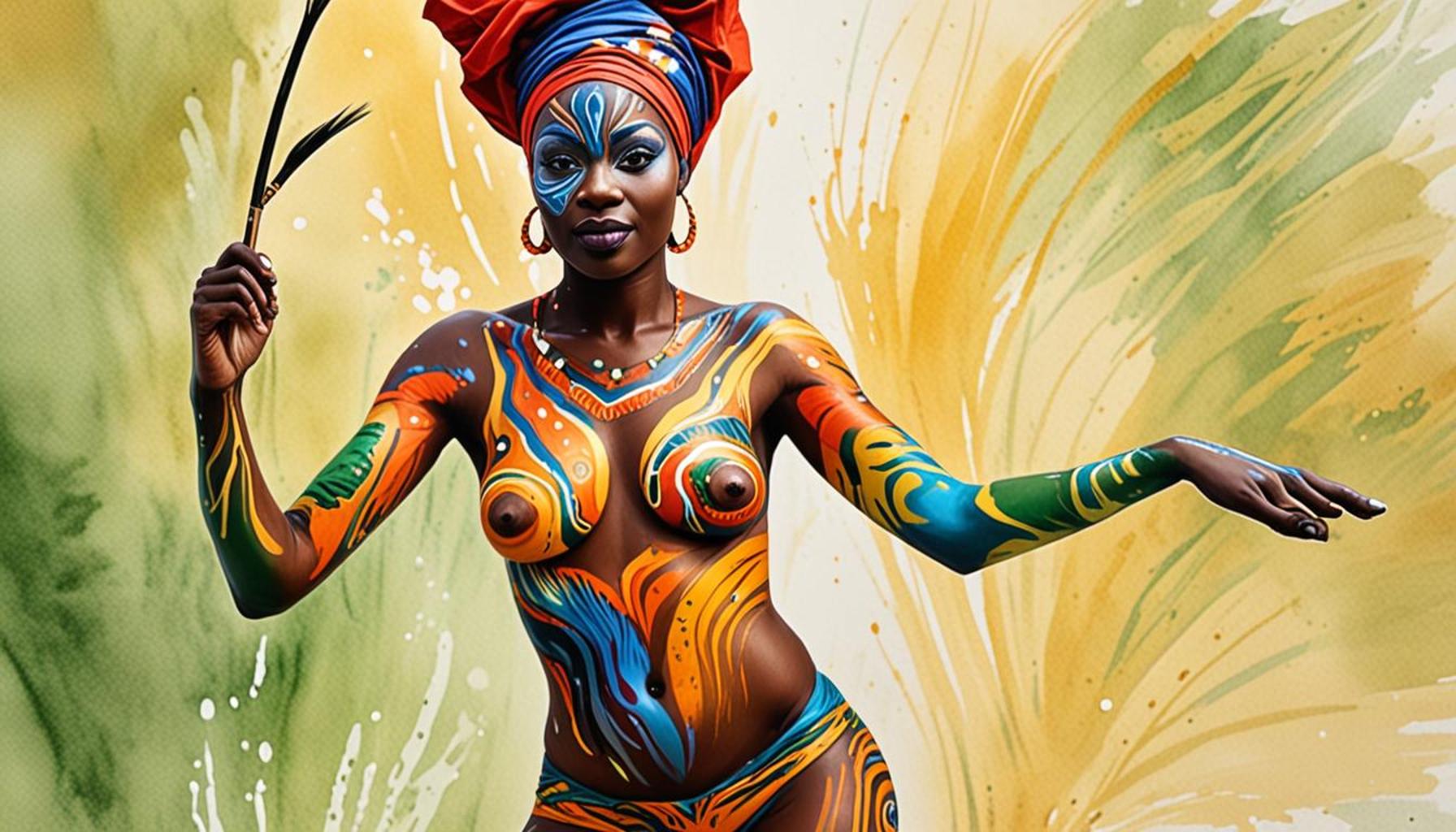
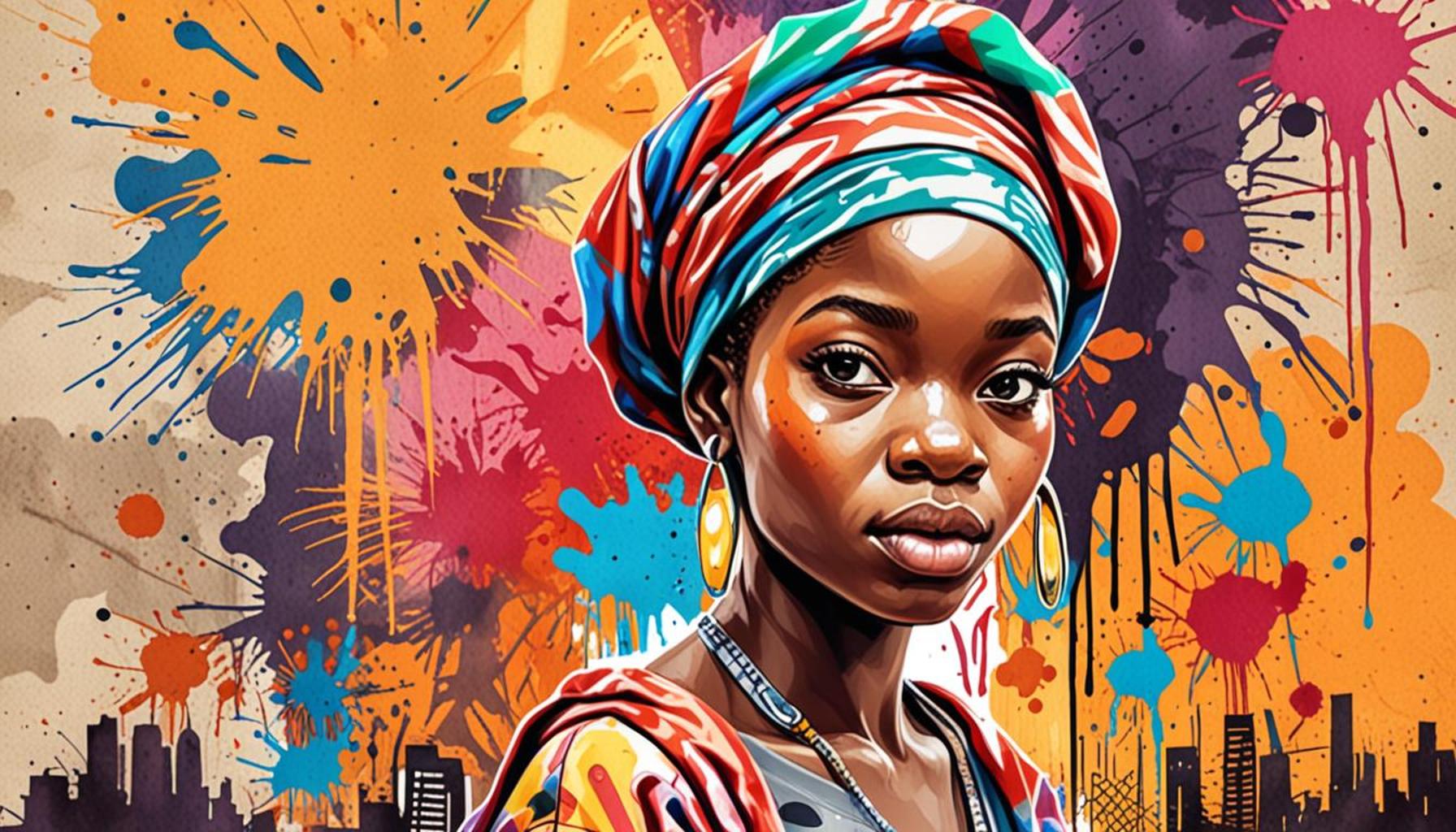
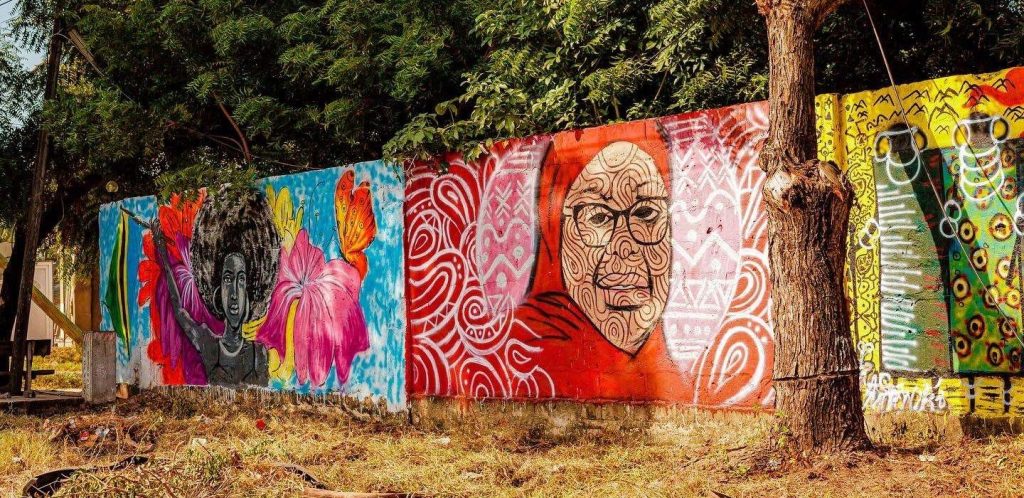
In recent years, graffiti and urban art have taken center stage as powerful mediums for expression among Nigeria’s youth. These art forms serve as vehicles for social commentary, cultural reflection, and collective identity, illuminating the vibrancy of Nigerian urban landscapes. This colorful outpouring of creativity allows young artists to voice their frustrations and aspirations amid a backdrop of social and political challenges.
Across cities like Lagos, Abuja, and Port Harcourt, the walls echo with the voices of the young and disenchanted. Here are some key themes portrayed through this urban canvas:
- Political Commentary: Artists boldly critique governance, corruption, and social injustices. For instance, in Lagos, murals have become a canvas for activism, with images of protest signs and slogans calling for accountability from elected officials. During the #EndSARS protests, many street artists transformed dilapidated walls into powerful artworks that reflected the diversity of public sentiment against police brutality and government oppression.
- Cultural Identity: Murals celebrate Nigeria’s rich heritage, from traditional motifs to modern interpretations. The use of indigenous languages, symbols, and icons not only pays homage to Nigeria’s diverse cultures but also fosters a sense of pride and belonging. In Abuja, you may come across stunning depictions of the vibrant lifestyle of various ethnic groups, highlighting the unity in diversity that defines the nation.
- Community Empowerment: Many projects aim to involve local communities, fostering teamwork and purpose. Initiatives like community mural festivals invite residents of neighborhoods to collaborate with artists in creating pieces that reflect their shared experiences and histories. These endeavors not only beautify the surroundings but also cultivate a sense of ownership and togetherness among community members.
This vibrant art movement not only enhances the streets but also invites discussions on the realities faced by the underrepresented. The images found on buildings and alleyways resonate deeply with issues such as unemployment, gender inequality, and environmental degradation. As a result, graffiti and urban art in Nigeria reflect the dynamic spirit of youth seeking to provoke thought, inspire change, and amplify their voices. The colorful expressions reveal a narrative that challenges the status quo and paves the way for new social dialogues.
With the rise of social media, the reach of these artworks extends beyond the physical walls, engaging a wider audience and sparking global conversations. Platforms like Instagram have allowed Nigerian artists to showcase their work to an international audience, amplifying local stories and inviting diverse interpretations of their struggles and triumphs. Understanding this movement requires an exploration of the artists, their stories, and the transformations occurring within their communities.
As urban spaces continue to evolve, so do the messages conveyed through graffiti and urban art. Each stroke of paint is a testament to the resilience, creativity, and passion of Nigeria’s youth, beckoning observers to engage with the world around them. The next time you walk through the streets of a Nigerian city, take a moment to contemplate the stories waiting to be told on the walls that surround you.
RECOMMENDED: Check out this similar article
A Canvas of Resilience and Expression
In Nigeria, the streets are evolving into vibrant galleries where the youth articulate their dreams, frustrations, and aspirations through graffiti and urban art. This artistic surge is not just a trend; it is a profound movement that speaks directly to the heart of social change, illustrating the relentless spirit of a generation. Amid economic upheaval, unemployment, and political instability, these urban canvases offer a glimpse into the collective consciousness of Nigeria’s youth, reflecting their realities and compelling them to envision a brighter future.
One of the most potent aspects of this movement is how it encapsulates the complexities of the Nigerian experience. Artists are not merely painting for aesthetics; they are challenging the narratives that define their existence. Here are some notable themes emerging from this dynamic urban art scene:
- Socio-Political Activism: The walls of cities like Lagos and Abuja transform into outspoken platforms for social justice. Many artists utilize striking images and bold messages to provoke dialogue about key issues in Nigeria, ranging from governmental accountability to pressing public health concerns. During the protests against police brutality in 2020, murals depicting the slogans and sentiments of the protestors multiplied, symbolizing a collective stand against oppression. Each mural became a testament to the urgency of their demands, uniting voices across different backgrounds.
- Environmental Awareness: As Nigeria grapples with environmental challenges, including pollution and climate change, artists are using their talents to raise awareness. Murals depicting endangered species, plastic pollution, and the beauty of Nigeria’s natural landscapes encourage viewers to cherish and combat the environmental crises affecting their homes. This not only fosters community responsibility but also highlights the significance of sustainable living.
- Gender Representation: Graffiti provides a platform for women and marginalized groups to assert their identities. Female artists are increasingly using street art to address issues of gender inequality, empowerment, and representation. These artworks challenge societal norms, inspire dialogues on women’s right, and celebrate the contributions of women in Nigeria’s cultural tapestry. Spaces that were once dominated by male artists are evolving into inclusive platforms where strong female narratives can flourish.
The rise of graffiti and urban art in Nigeria extends beyond personal expression; it creates a sense of community and fosters connections among diverse groups. Initiatives like the “Art in the Streets” program encourage collaboration between emerging artists and established ones, nurturing mentorship and skill-sharing. Such projects serve as a lifeline for promising talent, providing training and opportunities for exhibition that may have otherwise remained out of reach.
In an age defined by digital immediacy, social media plays a pivotal role in amplifying these voices. Artists translate their physical art into digital realms, sharing snapshots of their work on platforms such as Instagram, where they can engage with audiences far beyond Nigerian borders. This fusion of street art and digital visibility not only attracts global attention but also prompts conversations on broader issues of equity, representation, and cultural exchange.
The walls are alive with stories waiting to be unraveled; each spray can and brushstroke contributes to a broader narrative of a nation’s struggles and triumphs. Through graffiti and urban art, Nigerian youth are not only redefining their urban spaces; they are redefining their roles as catalysts for change, inviting others to join them on this vibrant journey towards social transformation and collective empowerment.
Graffiti and Urban Art: A Catalyst for Social Change
The rise of graffiti and urban art in Nigeria has become more than just a form of self-expression; it has evolved into a powerful medium for communicating critical social issues. With walls in cities like Lagos and Abuja transformed into vibrant canvases, young artists share stories of resilience, empowerment, and community struggles. Their works often reflect pressing themes such as corruption, poverty, and the quest for identity, sparking dialogue within communities.Beyond aesthetics, graffiti serves as a platform for youth engagement. Many young artists collaborate with grassroots organizations, using art as a tool for advocacy. Workshops and public exhibitions raise awareness about issues such as human rights, environmental concerns, and governmental accountability. For instance, murals that depict local heroes or historical events resonate with the community, fostering a sense of pride and ownership among residents.The cultural significance of urban art in Nigeria also promotes tourism, as both locals and visitors are drawn to these urban landscapes showcasing the talent of aspiring artists. The graffiti scene attracts international attention, leading to cross-border collaborations and further enriching the local art scene. As this movement flourishes, it is crucial to recognize the intrinsic value of graffiti and urban art not just as art forms, but as vital expressions of youth culture that drive social change and community solidarity in Nigeria.
CHECK OUT: Click here to explore more
Amplifying Voices through Collaboration and Community
The evolution of graffiti and urban art in Nigeria is intrinsically linked to community engagement and collaboration. Local workshops, art festivals, and grassroots movements are becoming essential components in the artistic ecosystem, providing youth with tools to express themselves creatively while bringing about social change. One initiative that stands out in this effort is the “Street Art Festival Lagos”, which gathers artists, musicians, and performers to celebrate urban culture while addressing societal issues. This annual event allows artists to collaborate on large-scale murals, merging narratives and styles, and uniting their voices for a common cause, echoing the collective experience of Nigerian youth.
Additionally, community-driven platforms like “Art House Foundation” aim to foster a supportive environment for budding artists. Through initiatives such as mentorship programs, these organizations bridge the gap between established artists and those who are just beginning to explore their artistic identities. Such mentorship not only enhances artistic skills but also emphasizes the importance of creating meaningful art with an intention toward social impact. The blending of local stories and global themes creates a rich tapestry in the urban art scene, emphasizing that the struggle for change is not an isolated event but a communal effort.
Moreover, the vehicle of social media continues to expand the reach of Nigerian graffiti and urban art, pushing these narratives onto the global stage. Platforms such as Instagram and Twitter have empowered artists to showcase their work to international audiences, allowing for a dialogue that transcends borders. For example, when the #EndSARS movement sparked discussions worldwide, several Nigerian artists used social media to share their murals depicting the plight of victims of police brutality. The image of a painted wall featuring the phrase “Say No to Oppression” circulated online, demonstrating how digital engagement can enhance the reach and emotional impact of urban art, making local concerns part of the global conversation.
Additionally, international collaborations have begun to take shape, further expanding the dialogue around social issues depicted in Nigerian graffiti. Programs like the “The Artist Residency” program bring foreign artists to Nigeria, allowing for a cross-cultural exchange that enriches local art practices. Such collaborations not only provide local artists with fresh perspectives but also empower them to tackle complex sociopolitical themes with greater nuance. Examples can be seen in collaborative murals that depict a fusion of Nigerian motifs and Western urban art styles, drawing attention to shared struggles and cultural dialogues.
As artists increasingly incorporate their cultural heritage into their work, they are planting the seeds for a more profound cultural renaissance. For instance, the use of traditional symbols, colors, and stories in urban art creates a reaffirmation of identity amidst globalization. Artists like Osa7, who intricately weaves folklore into contemporary street art, remind viewers of their roots while simultaneously making statements about present-day Nigeria. These layers of meaning in their work resonate deeply with audiences, sparking critical conversations regarding identity, heritage, and the future of Nigerian youth.
In this vibrant tapestry of expression, graffiti and urban art serve as conduits of change, pushing back against stereotypes and offering alternative narratives. By embracing the power of collaboration, community engagement, and digital platforms, Nigerian youth are asserting their voices in the discourse surrounding social issues. Empowered by their artistry, they are not merely observers of the status quo—they are the architects of transformation, envisioning a society that reflects their hopes and dreams.
RECOMMENDED: Check out this similar article
Conclusion: The Power of Expression in Urban Spaces
The landscape of graffiti and urban art in Nigeria serves not only as a vivid canvas for artistic expression but also as a dynamic vehicle for social change. Through the collaborative efforts of artists, community organizations, and global platforms, Nigerian youth are driving a cultural renaissance that reflects their aspirations and challenges. By embracing their heritage and addressing pressing societal issues, these artists craft visual dialogues that resonate with audiences both locally and internationally.
As seen through impactful initiatives like the Street Art Festival Lagos and community platforms such as the Art House Foundation, there is a profound recognition of the art form’s role in amplifying voices that are often marginalized. The narratives captured in vibrant murals serve as powerful reminders of the collective experience of Nigerian youth, urging society to listen and engage in meaningful conversations. Furthermore, the surge in digital advocacy, especially through social media, has transformed local grievances into global conversations, allowing artworks to transcend geographical boundaries and challenge oppressive narratives.
The intersection of culture and urban art highlights a new movement of young creators who are redefining civic engagement in Nigeria. With each stroke of the spray can, they are dismantling stereotypes, celebrating identity, and envisioning a future driven by hope and resilience. It is vital to support and nurture this artistic wave, as graffiti and urban art not only beautify the environment but empower the youth to actively participate in shaping their social landscape. As Nigeria continues to grapple with complex challenges, the role of these artists could very well be a catalyst for transformative change, leading society toward a more inclusive and vibrant future.