Nigerian Traditional Crafts: Preservation and Innovation in the 21st Century

Cultural Significance and Contemporary Challenges
Nigeria is home to a plethora of traditional crafts, deeply intertwined with the nation’s diverse cultural heritage. These crafts, ranging from textiles to pottery, form a crucial part of Nigerian identity and history. However, with the advent of globalization, many artisans face significant challenges in maintaining their craft while also adapting to modern demands. The interplay between preservation and innovation is vital for the survival of these age-old practices, providing essential opportunities for cultural continuity amidst change.
Key Areas of Nigerian Traditional Crafts
- Textiles: Nigeria’s textile arts are a vibrant representation of its cultural diversity. The Aso Oke fabric, often worn during ceremonies, is woven on looms using intricate techniques unique to various regions. Similarly, the adire fabric, renowned for its indigo-dyeing techniques, has become a symbol of heritage in places like Abeokuta. These textiles not only serve aesthetic purposes but also create strong ties to cultural stories and traditions.
- Pottery: The pottery of Nigeria illustrates ancient techniques that have been passed down through generations. For instance, the Nimba and Gwari people produce distinctive vessels using locally sourced clay. These traditional pots serve both practical and artistic functions, often featuring intricate designs that tell stories of heritage and customs. Recently, artisans have begun adapting their styles to cater to contemporary tastes, leading to a revival of interest in handmade pottery.
- Woodwork: Nigerian woodcraft is renowned for its intricate carvings that reflect cultural narratives and beliefs. Carved masks, sculptures, and functional items epitomize the deep connection between the artisans and their cultural expressions. In communities like the Ekiti, woodworkers not only create aesthetic pieces but also maintain the spiritual significance of their work by embodying ancestral stories and local folklore.
As the urban migration trend continues, the urgency for preservation becomes ever more critical. Young Nigerians are frequently drawn to cities for modern opportunities, inadvertently sidelining traditional crafts. However, the resilience of craftsmanship shines through adaptive strategies that blend heritage with contemporary elements, ensuring these traditions remain relevant.
The Role of Innovation
- Digital Platforms: A surge of artisans is leveraging social media and online marketplaces to showcase their creations, reaching a global audience. This digital outreach not only generates income but also fosters a renewed interest in traditional crafts among younger demographics.
- Sustainable Practices: As the world increasingly emphasizes sustainability, many artisans are embracing eco-friendly materials and ethical production methods. This shift not only preserves the environment but also enhances the marketability of traditional crafts by appealing to environmentally-conscious consumers.
- Cultural Fusion: Innovative collaborations between traditional techniques and modern design aesthetics are emerging across Nigeria. By intertwining local crafts with contemporary fashion and home décor trends, artisans are expanding their customer base and ensuring these crafts resonate with a wider audience.
By delving into the intersection of preservation and innovation, we gain insights into the future trajectory of Nigerian traditional crafts in today’s fast-paced world. Supporting these artisans is crucial—not only for sustaining their livelihoods but also for nurturing a vibrant cultural legacy that continues to captivate both locals and the international community.
CHECK OUT: Click here to explore more
Reviving Heritage Through Craftsmanship
The vitality of Nigerian traditional crafts lies not only in their aesthetic appeal but also in their storytelling capacity. Each craft encapsulates the essence of regional identities and communal narratives, connecting individuals to their roots while simultaneously navigating the complexities of modernity. Amid the challenges posed by urbanization and globalization, the resilience of artisans remains a beacon of hope for sustaining these vital cultural expressions.
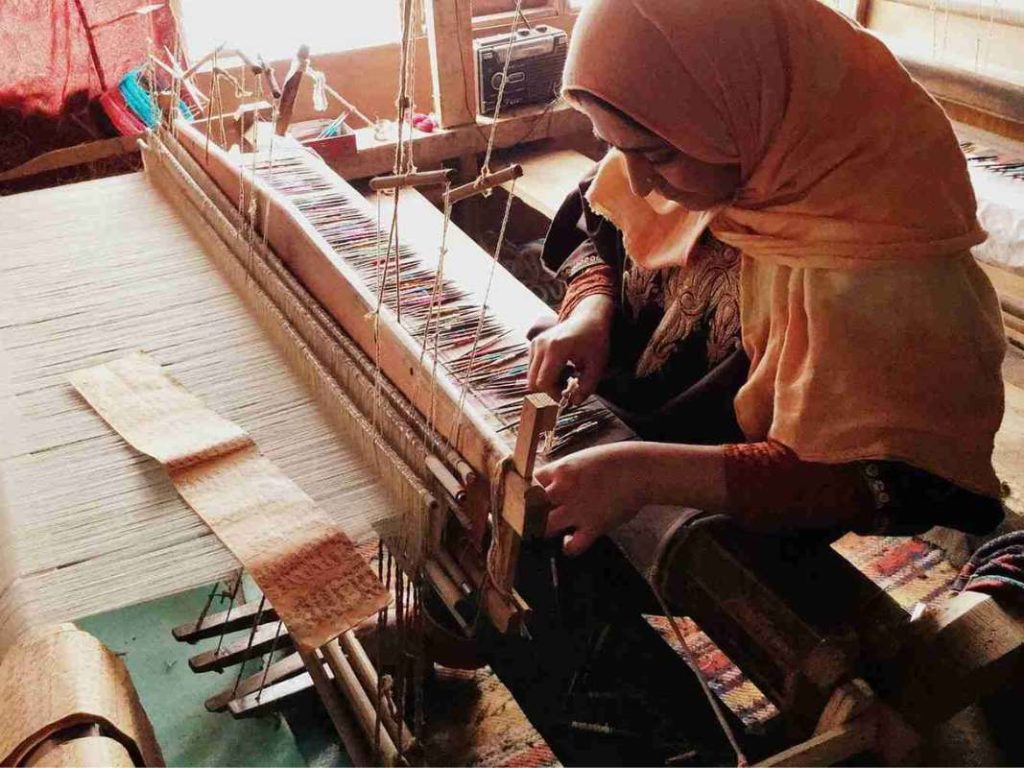
Textiles: A Weaving Heritage
- Aso Oke: This traditional fabric, integral to the Yoruba culture, is characterized by its rich textures and bold colors. Found predominantly in Southwestern Nigeria, Aso Oke is often worn during significant ceremonies, such as weddings and chieftaincy events. As younger generations become more fashion-conscious, modern designers are infusing Aso Oke patterns into contemporary clothing, thus preserving its relevance while appealing to a global market.
- Adire: Originating from the city of Abeokuta, Adire is notable for its intricate tie-dyeing techniques. Traditionally made by women, this cotton fabric has evolved with the times, showcasing not just traditional motifs but also experimenting with contemporary designs that reflect current trends. This evolution speaks to the artisans’ adaptability, allowing their crafts to thrive in an ever-changing cultural landscape.
- Beadwork: Beadwork is another striking example of how Nigerian crafts maintain their cultural significance. From the rich bead-laden attires of the Igbo people to the exquisite bead necklaces and ornaments created by the Efik and Ibibio communities, this craft interweaves functionality with artistry. Today, artisans are increasingly combining traditional beadwork techniques with modern jewelry design, making these unique pieces desirable not only locally but also internationally.
The dynamic nature of these traditional crafts illustrates a cultural renaissance, where heritage is not merely preserved but revitalized. As artisans incorporate innovation into their practices, they not only reach new markets but also invigorate cultural pride among younger audiences. Digital platforms now serve as catalysts, allowing artisans to showcase their crafts to a global audience, thus legitimizing their work and ensuring sustainability.
Pottery: Timeless Techniques, Modern Aspirations
Nigerian pottery, known for its unique forms and intricate patterns, stands as a testament to the artistry of communities such as the Nimba and Gwari people. Pottery artists skillfully mold locally sourced clay into functional and decorative items, often inspired by ancestral traditions. In recent years, a resurgence of interest in handmade pottery has emerged as consumers seek authentic artistry in a world increasingly dominated by mass production.
Artisans are now embracing innovation by experimenting with diverse glazing techniques and forms that resonate with contemporary aesthetics. Collaborations with interior designers and lifestyle brands have transformed traditional pottery into sought-after decor items, challenging the perceptions of craftsmanship in the 21st century. These adaptations not only contribute to economic viability but also underscore the importance of preserving traditional knowledge while appealing to contemporary tastes.
The journey of Nigerian traditional crafts into the 21st century exemplifies how innovation can enhance preservation efforts. By weaving together the past and present, artisans are crafting a future that honors their heritage while engaging the wider community in appreciating the richness of Nigerian culture.
| Advantage | Impact |
|---|---|
| Economic Empowerment | Traditional crafts provide steady income for local artisans, fostering community sustainability. |
| Cultural Preservation | These crafts act as preservers of rich cultural heritage and unique Nigerian identities. |
Exploring further, the integration of technology and modern design has propelled Nigerian traditional crafts into the global marketplace, while still maintaining their roots. Artisans are now able to reach international audiences through online platforms, driving both sales and interest in these distinctive items. Innovative collaborations between traditional artisans and contemporary designers are reshaping perceptions of Nigerian crafts, infusing traditional techniques with modern sensibilities. This approach not only enhances the aesthetic appeal but also increases the marketability of handmade products. Moreover, educational programs focusing on traditional crafts are being implemented across Nigeria, ensuring that younger generations inherit these skills and appreciate their cultural significance. This generational transfer is crucial for sustaining the rich tapestry of Nigerian heritage amidst the rapid pace of modernization.In navigating the 21st century, the artisans who craft these traditional pieces embody a blend of tradition and innovation, showcasing how Nigeria’s rich cultural narratives can evolve while staying deeply rooted in its history.
SEE ALSO: Click here to read another article
Crafting a New Narrative: The Art of Metalwork and Woodwork
Nigerian traditional crafts also extend to the realms of metalwork and woodwork, reflecting the environmental resources and cultural narratives unique to the country. Artisans skilled in these crafts create not only utilitarian objects but also profound symbols of identity and spirituality.
Metalwork: Forging Modern Identity
The metalwork tradition in Nigeria, particularly among the Edo people, is renowned for its intricate bronze and brass casting. Historically, metalwork was synonymous with royal affiliation, especially evident in the Benin bronzes. However, in the 21st century, contemporary metal artisans are reimagining these age-old techniques to cater to modern tastes.
For instance, traditional smithing practices are seeing a revival as artisans craft modern jewelry, bespoke furniture, and captivating home decor items that echo historical designs while embracing current trends. Innovation is vital, as blacksmiths now merge traditional motifs with contemporary aesthetics, creating pieces that tell both historical and modern stories. Social media platforms have provided a stage for these artisans, allowing them to reach an international audience that appreciates crafted art.
Woodwork: From Ancestors to Artisans
Wood carving also holds a significant place in Nigeria’s artistic expression, particularly within the Yoruba and Ekiti communities. Traditionally, carved wooden sculptures were created for religious ceremonies, representing deities and ancestral figures. Today, Nigerian woodworkers are pushing the boundaries of their craft by integrating storytelling and cultural symbolism into modern furniture design.
Artisans are now inspired to explore sustainable options, using reclaimed wood and eco-friendly practices to produce beautiful and functional pieces. This transition not only preserves the environmental integrity of their craft but also appeals to consumers’ growing demand for environmentally conscious products. Workshops and exhibitions showcase the interplay between traditional carving methods and contemporary design, fostering a renewed appreciation among younger generations for their heritage.
Building Bridges through Collaborative Craft
The evolution of Nigerian crafts is further enhanced by collaborative efforts among artisans, designers, and cultural institutions. These collaborations play a crucial role in elevating traditional crafts to new heights. Artists are teaming up across disciplines, combining their unique skills to create innovative pieces that seamlessly blend traditional techniques with modern concepts.
For example, the “Artisan Connect” initiative brings together craftsmen, designers, and marketing experts to train artisans in business skills, helping them navigate the global market. As a result, traditional crafts are finding new life; unique designs are being birthed that honor history while appealing to contemporary consumers. The proliferation of craft fairs, workshops, and exhibitions across Nigeria, such as the National Arts and Crafts Festival, showcases these innovations, reinforcing the status of Nigerian traditional crafts in the cultural landscape.
As we delve deeper into the world of Nigerian traditional crafts in the 21st century, it is evident that these practices are not stagnant relics of the past but, rather, dynamic expressions capable of evolving with the times. The blend of preservation and innovation not only ensures that these crafts remain relevant but also empowers communities, fortifying their cultural identities in a rapidly changing world.
ADDITIONAL INSIGHTS: Expand your understanding here
Embracing Heritage while Innovating the Future
In summary, Nigerian traditional crafts are experiencing a remarkable resurgence in the 21st century, seamlessly intertwining the threads of preservation and innovation. From the intricate designs of metalwork, which pay homage to historical traditions while embracing contemporary aesthetics, to the profound cultural symbolism embedded in modern wood sculptures, these crafts embody a rich narrative that transcends generations. As artisans adapt to changing times, leveraging sustainable practices and incorporating contemporary designs, they not only maintain the roots of their heritage but also meet the demands of modern consumers who value authenticity.
Moreover, collaborative efforts among artisans and designers further amplify the significance of traditional crafts in today’s global landscape. Initiatives like “Artisan Connect” highlight the importance of equipping craftsmen with business acumen, enabling them to navigate the complexities of the international market. The vibrant scene of craft fairs and exhibitions, such as the National Arts and Crafts Festival, serves as a platform to celebrate and elevate Nigerian artistry, fostering a renewed sense of pride within communities.
As we move forward, the importance of continuing to share these stories through crafts cannot be overstated. The ability to craft narratives that honor traditions while innovating for future generations can solidify Nigeria’s place on the global stage of art and design. It is through this delicate balance that the essence of Nigerian traditional crafts will thrive, reminding us of our past while illuminating the path ahead.