

Where Classrooms Meet Main Street
A high school student in Ohio spends her afternoons immersed in balancing spreadsheets at a local credit union. Meanwhile, across town, a group of teens diligently builds websites for small businesses as part of a collaborative class project. These narratives are not mere anecdotes—they’re emblematic of a significant movement reshaping the landscape of American education.
Partnerships between schools and businesses are fundamentally changing how students prepare for their future post-graduation. Rather than relying solely on traditional textbooks and lectures, educational districts across the nation are forging alliances with local companies, offering students valuable hands-on, real-world exposure to various industries.
Why This Trend Is Gaining Momentum
The limitations of traditional classroom instruction often become apparent, primarily when it struggles to keep pace with the dynamic needs of employers. Developing life skills in students necessitates more than just theoretical knowledge; it requires practical application, constructive feedback, and creating genuine stakes in the learning process.
This is where local business involvement in education contributes significantly. Businesses bring first-hand knowledge and experience, while schools provide structured environments and eager young minds ready to learn and contribute.
Consider the typical offerings that sprout from these collaborations:
- Mentorship from seasoned professionals in various fields, including finance, healthcare, and technology
- Internships and apprenticeships available during the academic year, as well as summer programs
- Guest-led workshops focusing on essential skills such as budgeting, effective communication, and workplace etiquette
- Project-based learning that ties directly to real business challenges, enhancing problem-solving abilities
What Students Actually Gain
The advantages of these partnerships extend well beyond the duration of a single semester. Benefits of school-business partnerships encompass stronger resumes, clearer career focus, and the development of soft skills that standardized tests often fail to measure.
More educational districts are recognizing the importance of student skills development programs that harmoniously blend rigorous academics with practical training experiences. The result? Graduates who step into college or their first jobs with a remarkable degree of comfort and confidence, adept at navigating deadlines, collaborating in teams, and mastering professional communication.
In the following sections, we will delve into how these partnerships operate, the specific skills they cultivate, and why real-world experience for students may indeed be the crucial component missing from contemporary education models.
CHECK OUT: The Importance of Community Partnerships in Promoting Inclusive Education
Building Blueprints: How These Alliances Actually Take Shape
Walk into a school district that has embraced the collaboration model between education and local businesses, and you will notice a palpable difference. For instance, career counselors engage with local business owners on a first-name basis, establishing a community-driven approach to career education. Instead of merely decorating classroom walls with college brochures and university flyers, these schools showcase vibrant posters for job shadowing programs, internship opportunities, and career fairs. The cultural shift toward career readiness in education didn’t happen overnight; it’s the result of years of concerted effort and planning by various stakeholders.
The Mechanics Behind Successful Collaborations
Most partnerships between schools and businesses begin with humble beginnings. A simple conversation can spark transformation. A school superintendent might reach out to their local chamber of commerce for advice on enhancing career pathways. Additionally, a motivated small business owner could volunteer to speak at a school’s career day, serving as a role model for students. From these initial interactions, structured and dynamic programs begin to flourish, often backed by formal agreements that spell out expectations, legal liabilities, and measurable outcomes.
Significantly, school districts across states like Texas, North Carolina, and California are stepping up their game by appointing dedicated coordinators. These coordinators focus entirely on facilitating and managing relationships between schools and local businesses. According to data from Advance CTE, a national association focused on career and technical education, over 40 states now possess some form of statewide policy encouraging employer engagement in K-12 education. Such polices aim to provide essential skills training that aligns with local job markets.
The partnerships generally adhere to several common models:
- Career academies embedded within traditional high schools that focus on specialized fields such as healthcare, engineering, or hospitality.
- Adopt-a-school initiatives, where a single company dedicates resources and expertise to one school for the long haul.
- Regional partnerships that involve multiple businesses rotating through classrooms, offering students diverse exposure to various career paths.
- Work-based learning credit systems, allowing students to earn valuable academic credits for verified job experiences in real-world settings.
Why Local Businesses Say Yes
While it might seem that companies engage in education partnerships purely out of goodwill, the truth is often much more strategic. Local business involvement in education frequently serves as a workforce pipeline strategy. Many employers, particularly those in skilled trades and technology sectors, find themselves grappling with labor shortages and view these partnerships as proactive investments into their future workforce.
Take, for instance, a manufacturing company in Michigan struggling to recruit qualified technicians. By sponsoring a robotics program at a local high school, they create a tailored learning experience that directly meets their own labor needs. Future employees are already familiar with the equipment and culture of that specific workplace, reducing training time and improving the workforce’s overall competency.
This reciprocal arrangement drives the sustainability of student skills development programs. Businesses are not merely donating to educational causes; they are actively cultivating talent while reinforcing their own community ties. This dual focus on education and employment not only assists students in realizing their paths but fosters economic growth and stability within the local economy.
As more schools and companies team up, the landscape of education continues to evolve. Innovations in collaborative programs may very well dictate the future of workforce development, ensuring that students are not just educated but also prepared to meet the demands of an ever-changing job market.
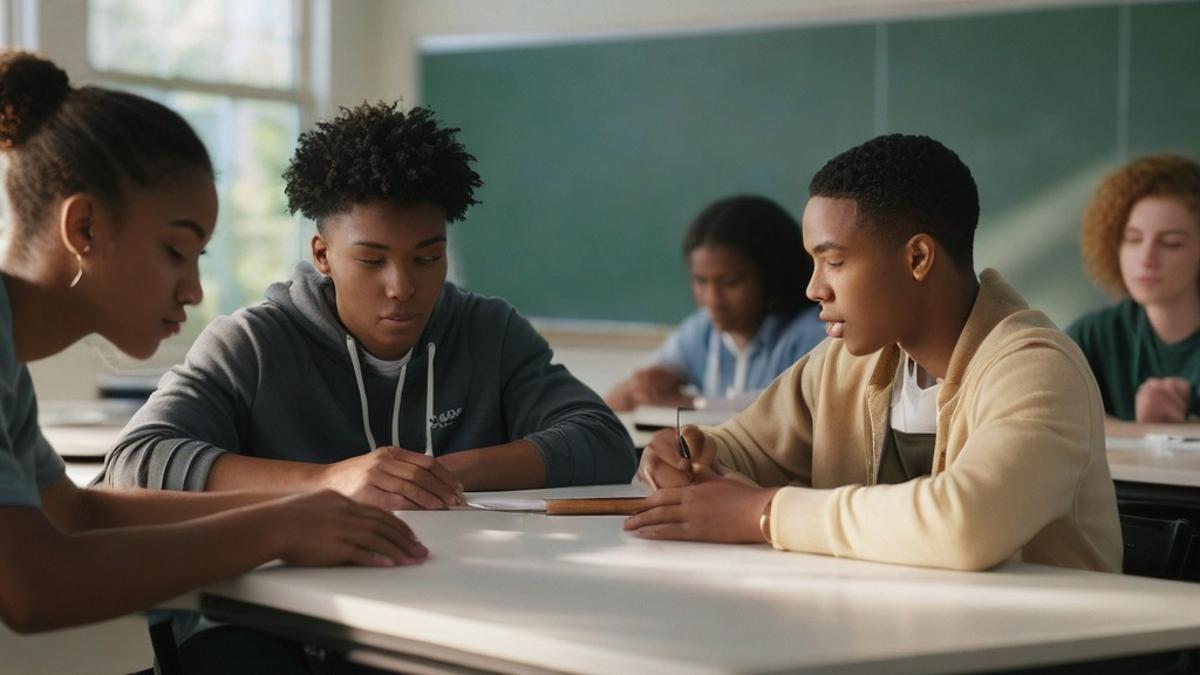
| Category | Details |
|---|---|
| Real-World Experience | Through partnerships between schools and businesses, students gain exposure to actual workplace environments, enhancing their readiness for future employment. |
| Skill Development | Students improve critical life skills such as communication, teamwork, and problem-solving allying with local businesses involved in education. |
| Mentorship Opportunities | Interaction with seasoned professionals provides student skills development programs that encourage mentorship and leadership. |
| Networking Skills | Building connections with community leaders aids in developing students’ confidence and professional networking abilities. |
From Handshake to Habit: The Life Skills Students Actually Gain
Beyond the paperwork and policy frameworks, something more personal happens when students step into a real workplace. Soft skills, the kind textbooks rarely teach, start taking root. Developing life skills in students through direct workplace exposure produces results that classroom simulations simply cannot replicate.
Consider communication. A teenager who has never spoken to an adult outside their family or teachers suddenly finds themselves explaining inventory systems to a warehouse manager in Ohio or presenting sales data to a small retail owner in Georgia. That interaction builds confidence in ways worksheets never could.
Skills That Show Up on Resumes and in Real Life
Research from the National Association of Colleges and Employers indicates that employers consistently rank problem-solving, teamwork, and professionalism above technical knowledge when evaluating young hires. Real-world experience for students gained through school-business collaborations directly targets these exact competencies.
Common life skills students develop through these partnerships include:
- Time management, learned by juggling coursework alongside scheduled shifts or internship hours.
- Financial literacy, often introduced through mentorship with local bank employees or entrepreneurs discussing budgeting and payroll.
- Conflict resolution, practiced firsthand when navigating workplace disagreements under supervised, low-stakes conditions.
- Professional communication, including email etiquette, punctuality expectations, and appropriate workplace behavior.
A high school student in Charlotte, North Carolina, participating in a hospitality-focused career academy, described learning to handle customer complaints as more valuable than any lecture on communication theory. That kind of testimony echoes across dozens of similar programs nationwide.
Measuring the Return on Life Skills Investment
Skeptics might ask whether these soft skills translate into measurable outcomes. Data suggests they do. Studies tracking students in structured internship and work-based learning programs show improved attendance rates, higher graduation percentages, and increased likelihood of securing employment within six months of finishing school.
The benefits of school business partnerships extend into long-term earning potential as well. Students who complete verified work-based learning hours often enter the workforce with a portfolio of practical experience that sets them apart from peers who lack similar exposure.
Notably, these gains are not limited to students heading straight into the workforce. College-bound students report that exposure to professional environments clarified their intended majors, saving both time and tuition dollars by avoiding costly changes in academic direction.
What emerges is a clear pattern: partnerships between schools and businesses don’t just fill resumes with bullet points. They shape how young people think, communicate, and solve problems long after graduation day passes.
Building a Future Where Classrooms and Communities Meet Halfway
The evidence points in one direction. Partnerships between schools and businesses are not a passing trend or a box to check on a district report. They represent a practical, tested approach to preparing young people for challenges that no standardized test can measure.
From the boardroom logistics of designing internship pipelines to the quiet confidence gained when a student successfully resolves a customer complaint, every layer of this collaboration serves a purpose. Local business involvement in education transforms abstract lessons into lived experience, and that shift matters more than most curricula acknowledge.
What Communities Stand to Gain
It would be a mistake to view these programs as benefiting students alone. Local employers gain early access to trained, motivated talent. Schools strengthen their relevance within the community. Towns and cities across states like Ohio, Georgia, and North Carolina see tangible returns when their graduates stay local, employed, and engaged.
Consider what a stronger commitment to student skills development programs could look like nationwide:
- Expanded funding for work-based learning coordinators in public school districts.
- Tax incentives for small businesses that formally mentor or employ students part-time.
- Statewide tracking systems to measure long-term outcomes tied to internship participation.
None of these ideas require reinventing education. They require scaling what already works.
The larger takeaway is simple, yet often overlooked. Real-world experience for students cannot be manufactured inside a classroom alone. It requires willing partners, shared investment, and a recognition that learning does not stop at the school’s front door. As more districts and businesses experiment with these models, the question worth asking is not whether such partnerships help students, but how quickly more communities will choose to adopt them.
Frequently Asked Questions
What are some examples of successful partnerships between schools and local businesses?
Successful partnerships can include mentorship programs where local professionals guide students, internship opportunities that allow students to gain real-world experience, and collaborative projects that integrate classroom learning with community needs. For instance, local businesses may sponsor school events or provide resources for specific academic programs.
How do partnerships between schools and businesses enhance students’ employability?
These partnerships enhance employability by providing students with hands-on experience in real work environments, helping them develop essential life skills such as communication, teamwork, and problem-solving. Additionally, through networking opportunities facilitated by local businesses, students can build connections that may lead to future job placements or internships.
What specific life skills can students gain from collaborations with local businesses?
Students can gain a variety of life skills, including financial literacy, time management, interpersonal communication, and leadership abilities. In addition, they may develop practical skills related to specific industries, such as marketing, customer service, or technical skills that are applicable in their future careers.
How can parents and community members support partnerships between schools and local businesses?
Parents and community members can support these partnerships by advocating for local business involvement in school programs, volunteering their time for mentorship or career days, and encouraging students to engage with business leaders through attending events. Additionally, they can provide feedback to schools on how these partnerships might better serve students’ needs and career aspirations.