Art as a Form of Protest: Analysis of Works by Contemporary Nigerian Artists

The Power of Artistic Expression in Nigeria
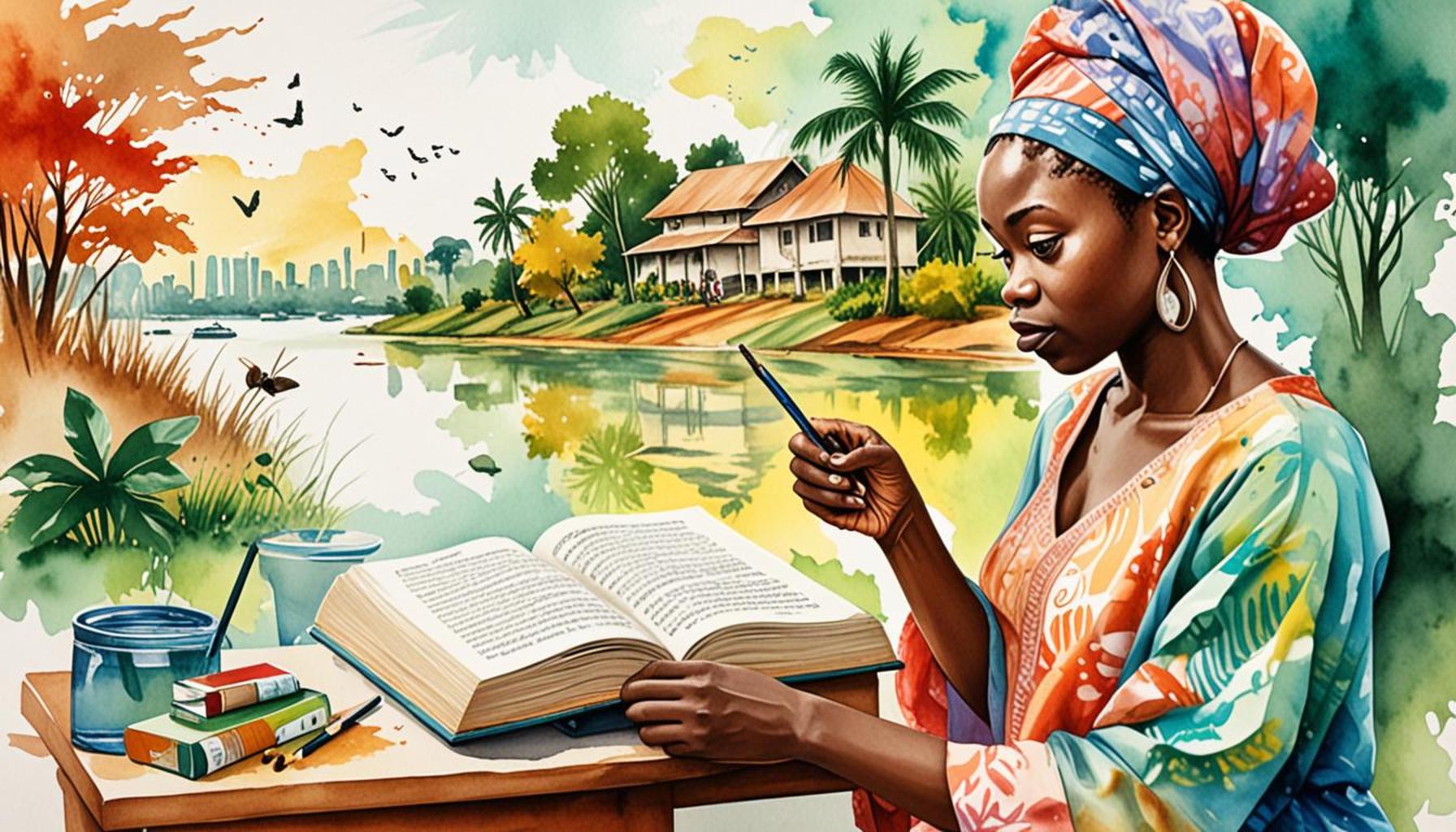
In the vibrant landscape of Nigeria’s contemporary art scene, artists are increasingly wielding their brushes and pens as tools of protest. The works emerging from studios and galleries are not merely aesthetic expressions; they are powerful commentaries on societal issues, often challenging the status quo. This trend is pivotal not only in the realm of art but also in the broader context of social change, reflecting the pulse of a nation seeking to redefine itself.
Nigerian artists are addressing a myriad of themes through their art, including:
- Corruption: Many artists, such as the renowned El Anatsui, reflect on political misdeeds and their impact on the daily lives of Nigerians. Anatsui’s sculptures, made from discarded bottle caps and other materials, poignantly highlight the wastefulness of the current political climate, prompting viewers to ponder the relationship between power and sustainability.
- Human Rights: Artists like Chinonso Odimba use their work to advocate for justice and equality within a complex social framework. Odimba’s powerful installations challenge the silence surrounding issues like police brutality and the plight of marginalized communities, making it impossible for viewers to ignore the pressing need for reform.
- Identity: The search for self within a rapidly changing world is explored by numerous artists, such as Yinka Shonibare, who mixes Afrocentrism with Western influences to question cultural boundaries. His vibrant artworks celebrate African heritage while simultaneously critiquing colonial legacies that have shaped modern Nigerian identity.
These artists employ various mediums, ranging from traditional painting to multimedia installations, each conveying a distinct narrative that resonates with both local and international audiences. The emotional depth and social relevance of their work often spark discussions about urgent societal issues, further extending their impact.
Art as a form of protest in Nigeria has historical roots, tracing back to the influential movements of the late 20th century. However, it is evolving to address the multifaceted and pressing concerns of contemporary life. The interplay between creativity and activism is significant, showcasing how art can serve as a catalyst for change and an essential voice for the voiceless.
Join us as we delve into the impactful works of these contemporary Nigerian artists, uncovering their motivations and the messages behind their remarkable creations. From the canvas to the streets, their art not only tells stories but also provides insight into the hopes, struggles, and resilient spirit of the Nigerian people.
YOU MAY ALSO LIKE: Read read another article
Art as a Catalyst for Change
In contemporary Nigeria, art functions beyond mere self-expression; it emerges as a powerful form of protest against the backdrop of socio-political turbulence. Artists utilize their craft to convey messages that resonate deeply with the populace, fostering dialogue about pressing issues that affect everyday lives. Through various mediums, they shed light on themes such as government corruption, economic hardship, and social injustice, driving an urgent call to action.
One prominent medium employed by artists is visual art, where powerful images often evoke strong emotions. For instance, Nnenna Nwakanma has made waves with her striking paintings that juxtapose beauty and suffering, presenting the harsh realities facing women in Nigeria today. Her portrayal of women trapped in cycles of violence serves not only to advocate for women’s rights but also to invite viewers to confront uncomfortable truths about gender inequality. Nwakanma’s bold use of color and form transforms her canvases into a visceral experience that lingers in the mind long after viewing.
Another artist, Victor Ehikhamenor, addresses the pervasive issue of corruption through mixed media. His installations often incorporate local materials and traditional techniques, merging the past with the present. In works that critique governmental ineptitude, Ehikhamenor utilizes photography and painting to depict the disconnect between political promises and the realities faced by citizens. This duality invokes a sense of urgency, encouraging audiences to reflect on the implications of inaction.
Moreover, the concept of street art has emerged as a riveting platform for protest. Urban artists like Icy and Sot have transformed the walls of Lagos into canvases of dissent, creating murals that speak directly to the heartbeat of the city. These vibrant artworks not only beautify public spaces but also serve as a loudspeaker for the marginalized voices often drowned out in mainstream discourse. The experience of encountering these works in everyday life creates a moment of reflection for passersby, sparking discussions about hope, resilience, and the need for change.
Furthermore, social media has revolutionized how these artists reach their audience. Platforms such as Instagram and Twitter have become vital channels for sharing art that protests corruption and social injustice, mobilizing online communities to engage in wider conversations about the state of the nation. This digital activism is critical; it allows artists to transcend geographical boundaries and connect with a global audience, amplifying their messages exponentially.
As we explore the various contemporary art movements in Nigeria, it becomes evident that the works of these talented individuals are far more than mere aesthetics. Art, in its essence, acts as a catalyst for change, beckoning viewers to acknowledge uncomfortable realities and ultimately inspiring them to take action. Understanding these artistic expressions is crucial to recognizing the profound role they play in advocating for social justice and reform.
The exploration of Art as a Form of Protest finds a compelling presence in the works of contemporary Nigerian artists. These artists utilize their medium not merely for aesthetic pleasure but as a profound tool to communicate their socio-political sentiments. By examining their pieces, one can glean insights into the complex relationship between art and activism within Nigeria’s challenging environment.
A notable example is the powerful installations by artists like Dineo Seshee Bopape and Ehi Nwuneli, who employ symbolism and visual narratives that address issues like government corruption, human rights abuses, and the quest for justice. Their artwork resonates with both local and international audiences, forging connections that ignite dialogues around pressing societal issues.
Furthermore, the use of social media platforms by these artists has revolutionized the way their protests are disseminated, enabling impactful art to reach a broader audience. The combination of traditional and digital media has allowed for real-time engagement, amplifying their voices in a landscape often marred by censorship. As Nigeria continues to navigate its turbulent political landscape, the role of art as a protest becomes increasingly significant.
| Category | Key Insights |
|---|---|
| Contemporary Themes | Artists reflect on socio-political issues like corruption and human rights. |
| Artistic Techniques | Use of mixed media and symbolism to convey deep narratives. |
This remarkably vibrant artistic landscape challenges viewers to confront uncomfortable truths, broadening the scope of conversations surrounding civic engagement and responsibility. As the interplay between art and activism continues to evolve, it becomes apparent that these contemporary Nigerian artists are not just creators; they are crucial voices in the ongoing struggle for justice and equality.
YOU MAY ALSO LIKE: Read read another article
Subverting Narratives through Performance Art
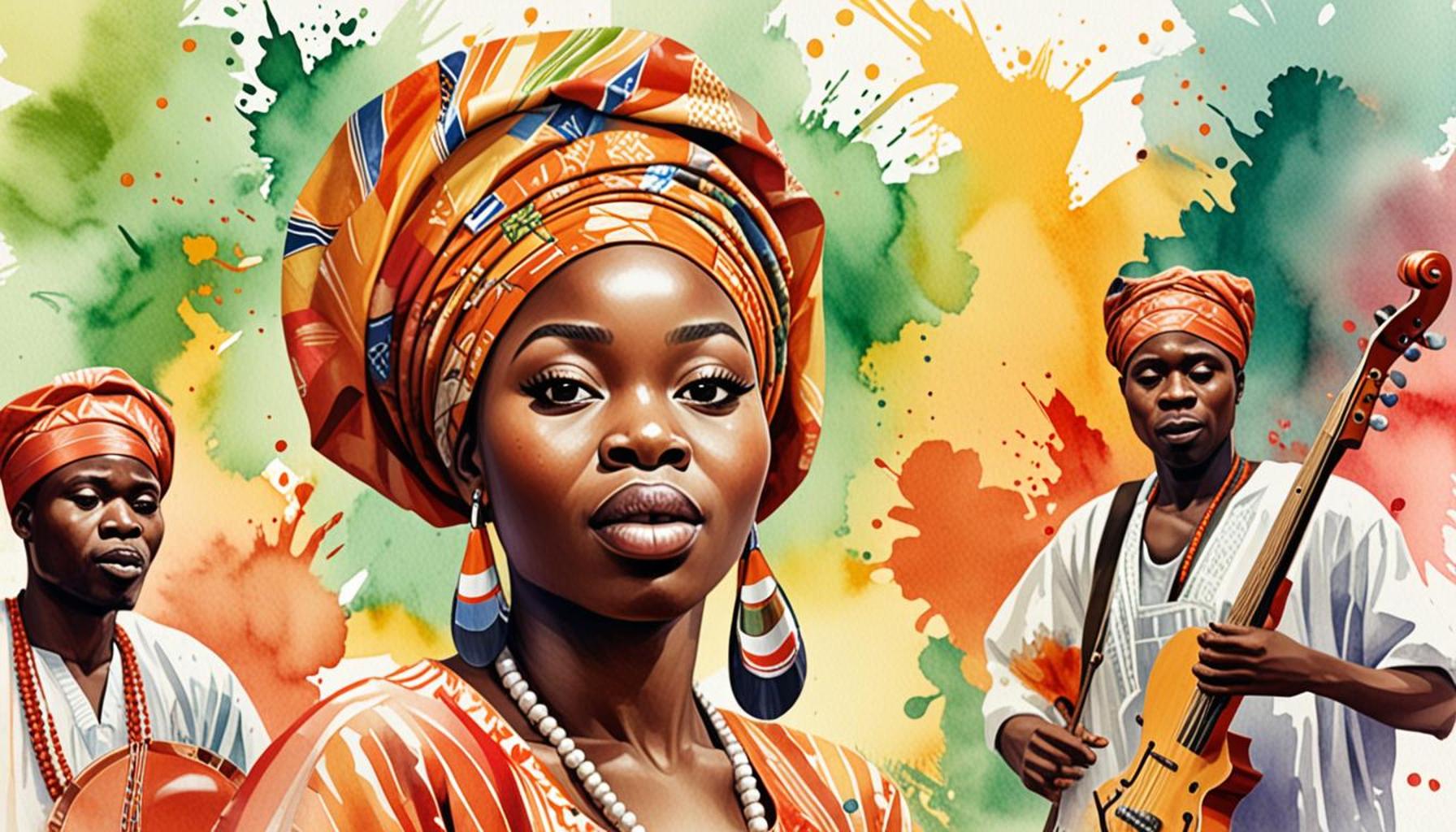
While visual art and street murals have proven to be pivotal in the protest movement, performance art emerges as another compelling tool for contemporary Nigerian artists. This ephemeral form of expression engages audiences in a visceral manner, provoking immediate emotional responses and allowing artists to communicate their messages in real-time. For example, Qudus Onikeku utilizes his body as a canvas to reflect the struggles and resilience of the Nigerian people. His interdisciplinary performances blend traditional African dance with modern narratives, creating a powerful dialogue that resonates across generations.
Onikeku’s performances often tackle themes of identity, migration, and socio-political issues, shedding light on the complexities of modern Nigerian existence. One notable performance, titled “The Assembly,” drew attention to the need for collective action among citizens. By engaging with audiences in public spaces, Onikeku facilitates a shared experience that transforms passive spectators into active participants, thereby challenging the status quo.
Performance art also allows for real-time commentary on pressing issues. Artists like Jumoke Verissimo, who combines poetry and movement, engage audiences through evocative storytelling that illuminates the plight of marginalized communities and reflects on systemic failures. Her work transcends traditional narratives, merging visual elements with spoken word to create immersive experiences that linger in the minds of viewers long after the performance ends.
Documenting Dissent through Photography
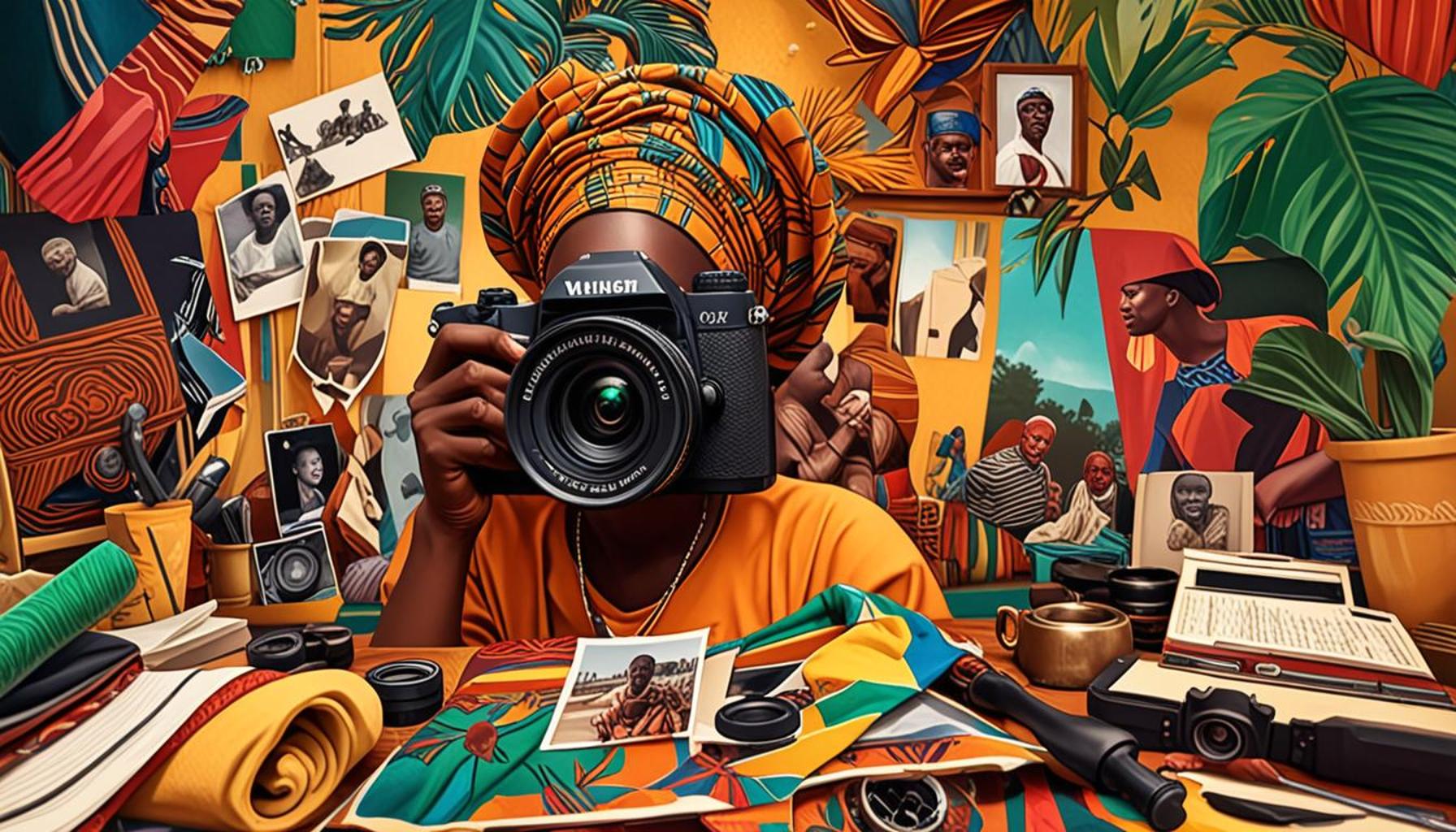
Photography has also emerged as a potent medium for protest art in Nigeria. Artists such as Rachael Sykes and Femi Osuntuyi capture the nuances of daily life amidst societal unrest, framing these moments as a form of resistance. Sykes’s thought-provoking portraits challenge stereotypes about poverty and gender, while also showcasing the strength and dignity of her subjects. She often photographs women in moments of vulnerability and empowerment, conveying messages about resilience in the face of adversity.
Osuntuyi, on the other hand, incorporates photographic documentation of protests, offering a raw and unfiltered look at the realities of activism. His series focusing on the End SARS movement captures both the fervor of protests and the emotional aftermath for those involved. This documentation not only preserves history but also serves as a visceral reminder of the stakes involved in the fight for justice. The stark images resonate with viewers, inviting them to bear witness to the ongoing struggle for a better future.
The Role of Collaborations in Artistic Activism
Collaboration has become increasingly vital in contemporary Nigerian art as artists join forces to amplify their messages. Initiatives such as the Afrobeat & Art Movement bring together musicians, visual artists, and performance creators to create a multi-disciplinary approach to protest. This collaboration not only enriches the artistic landscape but also fosters community engagement and support for shared causes.
For instance, exhibitions that combine multimedia performances with live music events are gaining traction, creating platforms that allow artists to address social issues through a collective lens. This synergistic approach not only elevates individual voices but also unifies them under a common umbrella of protest, driving home the importance of solidarity in the fight for change.
As contemporary Nigerian artists continue to push borders and challenge perceptions, their endeavors remind us that art is more than a reflection of society; it can also be a powerful means to instigate reform and inspire movements. Their ability to navigate and reshape narratives keeps the spirit of protest alive, ensuring that the journey towards social justice remains vibrant and impactful.
LEARN MORE: This related article may interest you
Conclusion
In examining the dynamic interplay between art and protest within Nigeria’s contemporary landscape, it becomes evident that these artists are not merely creators; they are agents of change, challenging societal norms and advocating for justice. Through mediums such as performance art, photography, and collaborative initiatives, they weave narratives that resonate deeply with the lived experiences of the populace, transforming personal struggles into collective calls for action.
The works of artists like Qudus Onikeku and Rachael Sykes are emblematic of a powerful shift, where art serves as a vehicle for social commentary, urging audiences to confront uncomfortable truths. As these artists utilize their platforms to document dissent and provoke dialogues, they not only illuminate pressing issues but also create spaces for healing and solidarity among communities. The impact of their work goes beyond aesthetics; it embeds itself in the memory of a nation grappling with its identity and future.
As Nigeria navigates through tumultuous socio-political landscapes, the resilience and creativity of its contemporary artists remind us that art is a potent form of protest. Engaging with these artistic endeavors offers an opportunity for deeper understanding and reflection on the complexities of Nigerian society. In this context, art remains an invaluable tool for galvanizing support, sparking conversation, and ultimately driving the momentum towards meaningful change. Thus, exploring the works of contemporary Nigerian artists not only enriches our cultural landscape but becomes essential in envisioning a more equitable and just society.