Menu

The Role of Dance in Promoting Nigerian Identity and Cultural Diversity

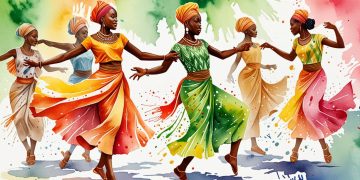
Dance in Nigeria is a vital expression of cultural identity and diversity, transcending entertainment to foster social cohesion. As a universal language, it connects various ethnic groups, celebrates heritage, and encourages intergenerational exchange. Contemporary and traditional forms alike play crucial roles in preserving and promoting Nigeria's rich cultural tapestry.

The Influence of Nigerian Traditional Music on Modern Artistic Expression

Nigerian traditional music significantly influences modern artistic expression, blending vibrant cultural sounds with contemporary genres. Artists like Burna Boy and Wizkid fuse traditional rhythms into global music, while the digital revolution amplifies their reach. This dynamic interplay preserves heritage and fosters new narratives in the evolving creative landscape.

The Influence of Cultural Traditions on the Creation of New Forms of Visual Art in Nigeria

Nigeria's vibrant art scene showcases the profound influence of cultural traditions on contemporary visual expression. Artists blend traditional motifs with modern techniques, addressing social issues and preserving heritage. This interplay fosters a dynamic dialogue about identity and innovation, enriching both local narratives and global artistic trends.

The Influence of Social Media on the Promotion of Emerging Artists in Nigeria

Social media significantly influences the promotion of emerging artists in Nigeria, providing essential platforms for visibility and engagement. With tools like Instagram and TikTok, artists can connect with audiences, foster community through storytelling, and leverage viral trends. This digital landscape transforms traditional barriers, amplifying Nigeria's vibrant artistic scene.

The Relationship Between Oral Literature and Artistic Expression in Nigerian Communities

Nigerian oral literature serves as a cultural cornerstone, influencing artistic expression across music, theatre, and visual arts. This dynamic relationship fosters community identity while preserving rich narratives, ensuring that traditional stories evolve and resonate with contemporary audiences, thus highlighting the importance of storytelling in Nigeria's cultural landscape.

The Evolution of Nigerian Literature as Reflection of Contemporary Society

Nigerian literature has evolved into a rich tapestry reflecting contemporary society's complexities, addressing themes like identity, gender equality, and socio-political issues. Through diverse voices and digital platforms, it fosters cultural dialogue, advocates for change, and captures the resilience of a nation navigating tradition and modernity.

Graffiti and Urban Art in Nigeria: Voices of Youth and Social Change

Graffiti and urban art in Nigeria have emerged as vibrant expressions of youth voices, addressing social change through political commentary, cultural identity, and community empowerment. These art forms not only reflect the realities of societal challenges but also spark global conversations and foster a sense of collective identity among Nigeria's youth.

Nigerian Traditional Crafts: Preservation and Innovation in the 21st Century

Nigerian traditional crafts showcase a vibrant blend of preservation and innovation, adapting to modern influences while honoring cultural heritage. Artisans are leveraging digital platforms and sustainable practices to revive interest in crafts like textiles, pottery, and woodwork, ensuring their significance remains relevant in the 21st century.

Art as a Form of Protest: Analysis of Works by Contemporary Nigerian Artists

Contemporary Nigerian artists leverage their art as a potent form of protest, addressing critical issues like corruption, human rights, and identity. Through diverse mediums, their works foster dialogue, challenge societal norms, and inspire social change, highlighting art's vital role in advocating for justice and reshaping cultural narratives in Nigeria.

Theater and Performance as Mirrors of Nigerian Society: An Analysis of Contemporary Narratives

Contemporary Nigerian theater serves as a dynamic reflection of society, addressing cultural identity, social justice, and political issues through powerful narratives. By merging traditional storytelling with modern techniques, it fosters dialogue and empathy, encouraging audiences to confront societal realities and inspiring collective change across diverse communities.