Cooking with Kids: Fun and Educational Activities in the Kitchen
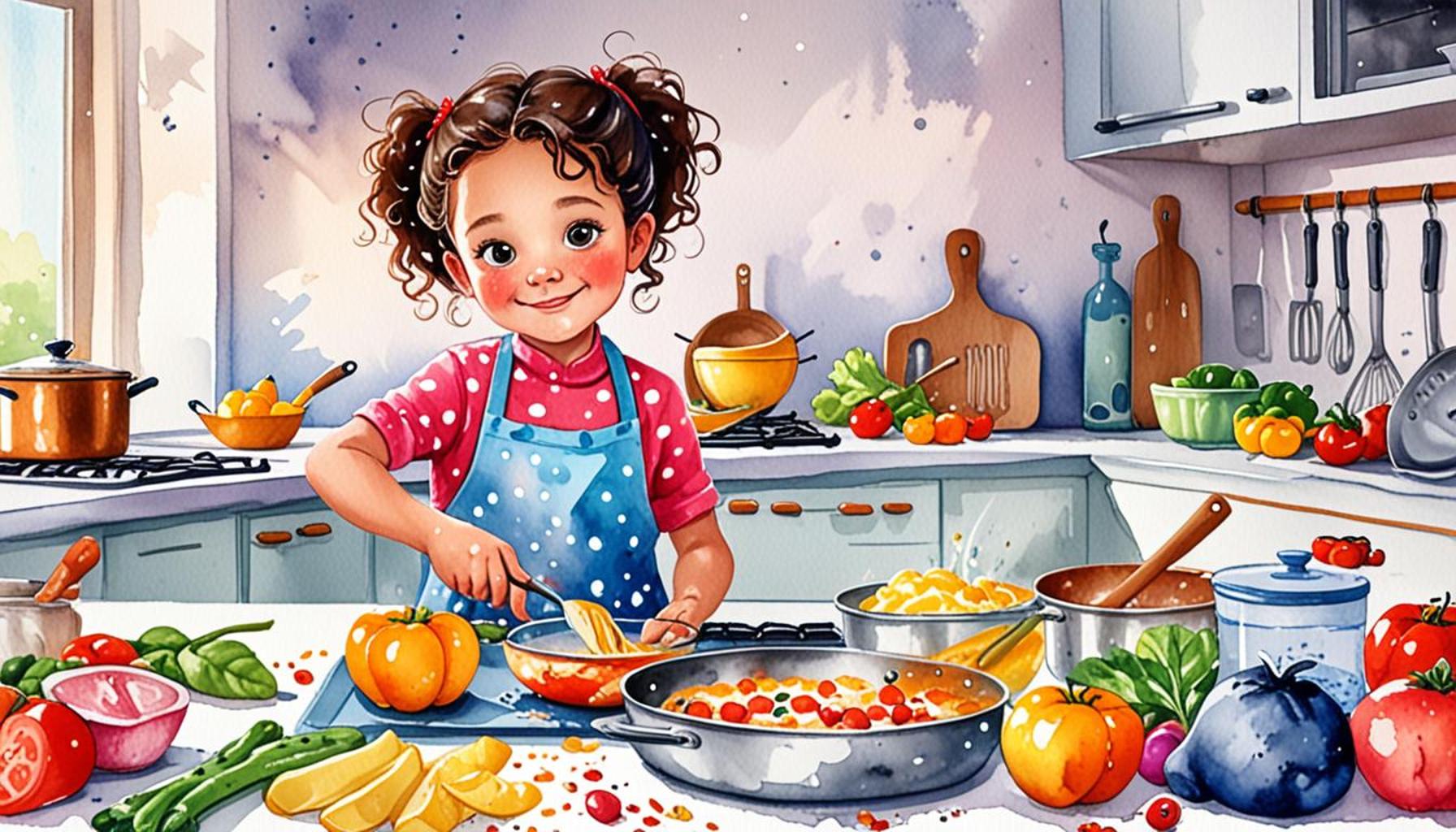
The Joy of Cooking Together
Engaging children in the kitchen fosters a unique blend of fun and education. Far beyond simply preparing meals, cooking cultivates a landscape for invaluable life lessons that can spark creativity, enhance problem-solving skills, and instill a sense of accomplishment. In Nigeria, with its vibrant and diverse culinary traditions, cooking with kids serves as an exceptional tool to explore local dishes while also nurturing a connection to culture and heritage.
- Boosts Confidence: When children successfully master new recipes, they gain a sense of achievement. Whether it’s perfecting a pot of jollof rice or assembling a simple vegetable stir-fry, the joy of creating a dish builds self-esteem and encourages them to tackle new challenges.
- Enhances Math Skills: Cooking naturally introduces children to mathematical concepts. Measuring ingredients, for example, reinforces fractions and volume. If a recipe calls for two cups of flour and your child decides to double it, they engage in practical multiplication—without even realizing they are learning!
- Fosters Creativity: The kitchen offers a playground for imagination. Allowing kids to adjust flavors, experiment with spices, or add colorful vegetables to their dishes invites them to express their creativity. A simple meal can turn into a unique culinary masterpiece influenced by their personal tastes.
Integrating cooking into family routines provides not only practical skills but also unforgettable bonding experiences. Kids learn about teamwork as they help chop vegetables or stir sauces and develop patience as they wait for dishes to cook to perfection. Here are some enriching activities parents can explore:
- Ingredient Exploration: Introduce children to local spices, such as curry or thyme, explaining their origins and uses in traditional Nigerian dishes. For instance, they can learn how curry powder enhances the flavor of chicken stew.
- Recipe Creation: Encourage young chefs to invent their own dishes using local ingredients. Perhaps a fusion dish that combines jollof rice and a unique twist of their favorite vegetables can become a family favorite.
- Cooking Challenges: Organize friendly cooking competitions, using locally sourced ingredients like plantains, beans, or yams. This could stimulate both strategic thinking and collaboration as they navigate the different elements of cooking.
The next time you embark on a cooking venture, remember to invite your little ones into the kitchen. You may be astonished by their culinary creativity, and together, you will contribute to their growth in a fun and dynamic way. As you stir, chop, and taste, you will embark on a delightful journey that strengthens your family bonds and fosters a lifelong appreciation for cooking! Let’s enhance our kitchens into vibrant learning hubs.
ADDITIONAL INSIGHTS: Expand your understanding here
Learning Through Culinary Adventures
Cooking with children extends beyond the mixing of ingredients; it transforms the kitchen into a vibrant classroom where essential life skills are learned through enjoyable activities. As they navigate the aisles of local markets, selecting fresh produce and vibrant spices, children are not only exposed to the flavors of Nigerian cuisine but also gain an appreciation for the origins of their food. The process of cooking together presents a unique opportunity to engage young minds in lessons about nutrition, cultural heritage, and teamwork.
One of the most effective ways to enhance a child’s learning experience in the kitchen is through hands-on cooking activities. Here are some engaging ideas to ignite enthusiasm and curiosity:
- World of Ingredients: Take a trip to the market and introduce your child to a variety of local ingredients. Discuss how specific foods, like ugu (pumpkin leaves) or egusi (melon seeds), contribute to traditional dishes such as ofada rice and ewedu soup. This not only educates them about local cuisine but also allows them to interact with their culture in a meaningful way.
- Measuring and Mixing: Baking can provide an excellent platform for enhancing mathematical skills. Tasks such as measuring ingredients for cakes or cookies teach younger chefs about units of measurement while fostering fine motor skills. Ask them to convert recipes for different serving sizes, adding an extra layer to their learning.
- Exploring Flavors: Organize a tasting session where children experiment with different spices and herbs to create their own unique seasoning blends. This activity encourages them to think critically about how flavors interact and enhances their sensory awareness.
- Food Science: Cooking can serve as a fantastic introduction to basic scientific concepts. Explain processes such as what happens when yeast is activated in dough or how heat transforms the properties of food, making learning about chemistry and biology relevant and easy to understand.
Moreover, the safety aspect cannot be overlooked. Teaching children about the importance of kitchen safety—such as washing hands before and after handling food, proper knife techniques, and safe use of kitchen appliances—establishes a sense of responsibility and awareness in them. Parents can use this as an opportunity to discuss the food pyramid and healthy eating habits, reinforcing the necessity of nutrition in their young lives.
Cooking with kids also cultivates important social skills. As they collaborate on meal prep, they learn the value of teamwork and communication. The giggles over spilled flour or squabbling over the last piece of plantain become cherished memories. These moments not only strengthen family bonds but also build lasting relationships among peers when children work together in a group setting to create meals.
In essence, the kitchen provides a rich tapestry of experiences that blend learning with fun. With every chop, mix, and stir, children develop skills that transcend the walls of the kitchen and serve them well throughout their lives. By embracing cooking as a regular family activity, parents can foster a generation of confident, capable, and creative individuals.
| Category | Advantages |
|---|---|
| Creativity | Encourages imagination, as children can experiment with flavors and presentation. |
| Math Skills | Hands-on learning while measuring ingredients helps kids grasp basic math concepts. |
| Nutrition Awareness | Promotes healthy eating by allowing children to learn about various ingredients and their benefits. |
| Bonding Experience | Fosters relationships as families cook together, creating lasting memories. |
Cooking with kids can be an enriching experience that goes beyond simple meal preparation. It opens up a world of creativity, allowing children to express themselves as they mix colors, shapes, and flavors. Through this interactive process, they develop a positive association with food and cooking. The incorporation of math skills further aids in understanding fractions and measurements, making math tangible and fun. Children who participate in cooking not only become aware of nutrition, but they also learn how to make healthier choices. Moreover, engaging in these hands-on activities enables family members to connect on a deeper level, establishing a supportive environment for ongoing learning and cooperation. Cooking with kids is not merely about making a meal; it is an opportunity to impart valuable life lessons about cooperation, creativity, and care in the kitchen.
CHECK OUT: Click here to explore more
Creative Cooking Projects
Another exciting dimension of cooking with kids is the various creative projects that not only develop culinary skills but also boost children’s imagination and problem-solving abilities. While traditional cooking exercises are essential, introducing project-based cooking activities can inspire a sense of ownership and creativity in young chefs.
Consider the following creative cooking projects that can spark curiosity and enhance learning:
- Recipe Book Creation: Encourage your children to document their culinary creations by compiling their own recipe book. They can take photos of the dishes they prepare and write down the process in their own words. This project reinforces literacy skills while allowing them to express their creativity. Parents can guide them through organizing content—perhaps by categorizing recipes into appetizers, main dishes, and desserts while introducing them to the range of ingredients and cooking methods.
- Cultural Cuisine Days: Organize themed cooking days centered around different Nigerian states. Invite your child to research a state’s traditional dishes, such as jollof rice from Lagos or pounded yam and efo riro from Ondo State. This activity teaches not only about regional flavors but also highlights the beauty of Nigeria’s diverse culinary landscape. As a bonus, you can even create a ‘cultural presentation’ where they can present their findings and serve the dishes to family members.
- Garden-to-Plate Cooking: If space allows, consider starting a small kitchen garden. Planting herbs like basil, chili peppers, or even vegetables like tomatoes can expose children to the entire food cycle—from seed to plate. Involving kids in gardening instills a sense of responsibility as they tend to their plants, and they can later harvest these ingredients for cooking, reinforcing a connection to where food comes from.
- Food Art: Tap into artistic skills by making food art. Encourage kids to create pictures from their meals, using fruits, vegetables, and ingredients to form animals, faces, or landscapes. This playful activity engages them in healthy eating while making nutrition fun. Parents can enhance the fun by organizing an “art exhibition” at the dinner table where kids proudly display their edible masterpieces.
Additionally, the role of storytelling can enrich the cooking experience. Share stories about family recipes and their significance, creating an emotional connection to the food they prepare. Children may find it exciting to learn not just how to cook, but the history behind dishes and the memories associated with them. Such narratives can foster a deeper appreciation for culinary traditions and stimulate their interest in culinary arts.
Moreover, as children explore the kitchen, research shows that involvement in cooking multiple times a week can significantly boost their confidence, independence, and culinary skills. Programs and community initiatives are increasingly recognizing the value of teaching cooking skills to children as a means to combat nutrition-related issues, making it an important cultural conversation in Nigeria today.
Cooking with kids is undoubtedly an enriching activity that molds both their personality and skill set, and as they create, measure, and experiment in the kitchen, they acquire invaluable lessons for life. With each new recipe and project, children learn to appreciate food not only as sustenance but as a medium for creativity, culture, and connection within their families and communities.
RECOMMENDED: Check out this similar article
Conclusion
Incorporating cooking with kids into daily life transcends mere meal preparation; it becomes a journey of discovery, bonding, and lifelong lessons. By engaging in hands-on culinary activities, children not only develop essential cooking skills but also stimulate their creativity and enrich their understanding of different cultures, especially within the rich tapestry of Nigeria’s diverse culinary landscape.
Implementing creative projects such as recipe book creation, cultural cuisine days, or garden-to-plate cooking offers remarkable insight into nutrition, teamwork, and self-sufficiency. These projects inspire children to take ownership of their cooking experiences while enhancing their critical thinking and organizational skills. Through storytelling, families can bridge the gap between generations, sharing the history and significance of cherished recipes that cement cultural identity and tradition.
Moreover, the findings from various studies highlight that consistent cooking together fosters confidence and independence in young learners. As they measure, mix, and taste, children are not just learning to prepare food; they are also acquiring vital life skills such as patience, responsibility, and creativity. This active involvement has profound implications for their health and well-being, instilling a respect for food that can combat nutrition-related issues in our society.
Ultimately, cooking with children is a multifaceted experience that nurtures their curiosity and cultivates lasting family connections. As you embrace these fun and educational kitchen activities, you will likely ignite a passion for cooking that stays with them for years, turning the kitchen into a place of adventure, learning, and cherished memories.