Craftsmanship and the Preservation of Nigerian Cultural Heritage: Projects that Tell Stories
A Tapestry of Skills and Stories
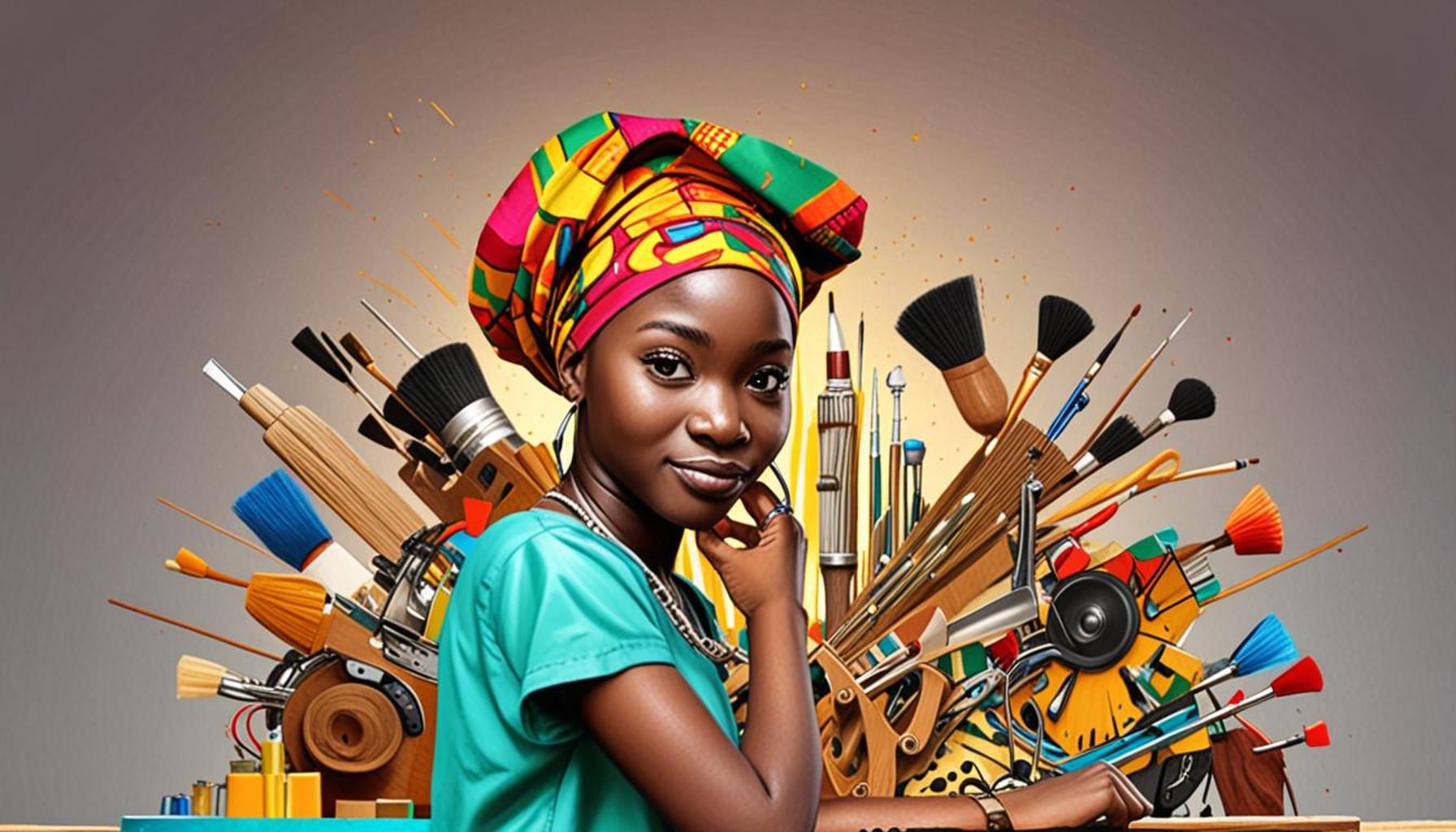
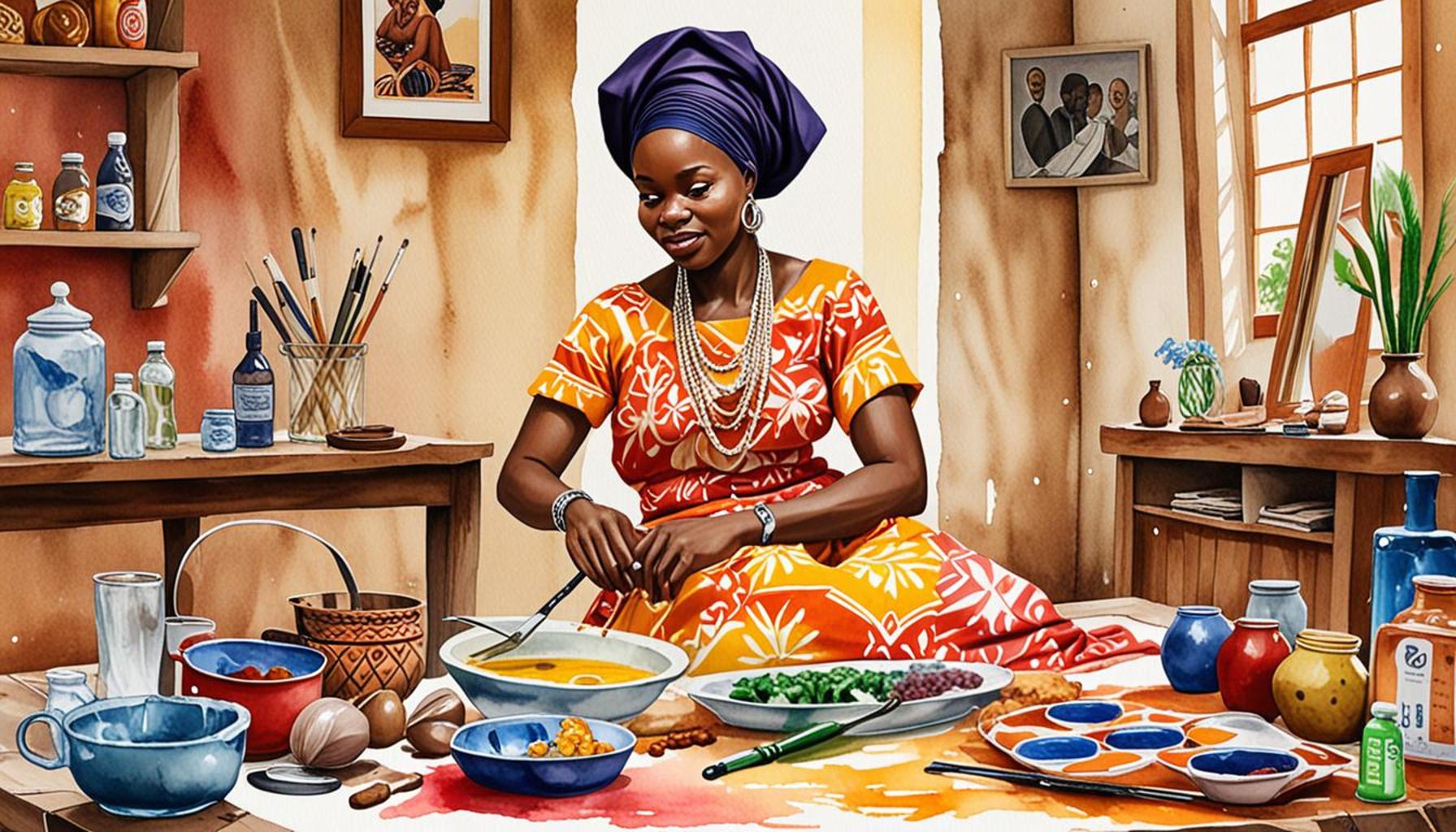
Nigeria stands as a vibrant hub of craftsmanship, where every piece of art is a reflection of the nation’s rich cultural heritage. The country’s artisans are masterful storytellers, expressing age-old traditions through an array of crafts, such as intricate beadwork, textile weaving, pottery, and bronze casting. These crafts not only serve as a means of livelihood for many but also encapsulate the history and identity of distinct ethnic groups. For instance, the renowned bronze casting of the Benin Kingdom, which dates back to the 13th century, showcases not just artistic prowess but also the historical narratives of the royal lineage.
The Importance of Preservation
As the world becomes increasingly interconnected through globalization, the challenge of preserving Nigeria’s cultural heritage intensifies significantly. The survival of these crafts is essential, and understanding their importance invites a closer look at several facets:
- Historical Context: Each type of craftsmanship embodies the values, traditions, and beliefs of various ethnic groups in Nigeria. For example, the Yoruba people are known for their unique adire fabric, dyed using traditional resist-dyeing techniques that encapsulate spiritual and social meanings.
- Economic Impact: Artisans are pivotal to local economies; their crafts create jobs and stimulate entrepreneurship. Initiatives such as ‘Buy Nigeria to Promote African Culture’ advocate for the consumption of locally crafted goods, thereby supporting the livelihoods of artisans and promoting economic sustainability.
- Community Identity: Craftsmanship fortifies communal identity and fosters unity. Events like the annual National Festival of Arts and Culture celebrate local crafts, bringing communities together while educating younger generations about their cultural heritage.
Projects Making a Difference
Across Nigeria, several remarkable projects actively engage in safeguarding traditional craftsmanship while promoting the skills of local artisans. For instance, the Artisanal Hubs in cities like Lagos and Aba serve as creative spaces where artisans can collaborate, innovate, and market their crafts globally. Furthermore, initiatives like Crafting the Future focus on training the youth in traditional crafts through workshops and mentorship programs.
These projects play a critical role in sustaining the crafts that define Nigeria’s cultural landscape. They not only empower artisans but also work to foster a renewed appreciation for Nigerian craftsmanship that transcends generations. By understanding and supporting these projects, individuals can contribute to the preservation of invaluable cultural narratives, paving the way for a vibrant future that honors the past.
YOU MAY ALSO LIKE: Read read another article
Heirlooms of Tradition: Artisans at Work
Nigeria’s vast cultural landscape is a melting pot of various ethnic groups, each contributing to the country’s showcasing of authentic craftsmanship. The artisans, steeped in their cultural heritage, often become the custodians of age-old techniques that are in danger of being forgotten in the rapid march of modernity. Their work not only serves an artistic purpose but also becomes a narrative medium through which history, beliefs, and identities are conveyed. For instance, the elaborate masks carved by the Ibo people are not mere decorative items; they tell stories about ancestors and divine connections, often used in traditional ceremonies.
Reviving Traditional Crafts
In response to the potential extinction of these vital skills, numerous initiatives and organizations are stepping up to revive traditional crafts and support artisans. Here are some noteworthy projects that have emerged in recent years:
- The Nigerian Craft Village: Located in Abuja, this project offers workshops and cultural exchange programs that highlight the diverse crafts of Nigeria, including leatherwork and wood carving. It focuses on training young artisans while providing a platform for established craftsmen to showcase their work.
- Nigerian Royal Arts Academy: This initiative is dedicated to preserving Nigeria’s artistic traditions by offering courses in traditional sculpture, painting, and textile design, attracting both local and international students eager to learn.
- Art for Social Change: This project connects artisans and marginalized communities, enabling beneficiaries to create their crafts while also addressing social issues. By weaving together social responsibility and craftsmanship, it supports local economies and fosters a sense of pride.
These projects exemplify the collective efforts to harness the power of craftsmanship as a means of cultural preservation. By focusing on the mentorship of younger generations, they aim to ensure that traditional techniques are passed down and integrated into modern contexts. The impact of these initiatives extends beyond craftsmanship; they instill a sense of purpose and identity among communities, bridging the gap between the old and the new.
Bridging Generational Gaps
Engaging younger generations in traditional crafts is crucial for continuity and innovation. Initiatives like intergenerational mentoring programs allow seasoned artisans to impart their skills and stories to the youth, ensuring that these narratives remain alive. For instance, community workshops not only teach practical skills but also offer insights into the significance of these crafts, creating a holistic understanding of Nigeria’s cultural fibers.
As Nigeria navigates the complexities of modernity, the urgent need for preservation becomes even more evident. These projects stand as beacons of hope, safeguarding not just the crafts themselves, but the cultural narratives that come alive through them, enriching the nation’s identity for years to come.
Exploring the Essence of Nigerian Craftsmanship
Nigeria’s rich tapestry of cultural heritage is intricately woven through its craftsmanship, which stands as a testament to the nation’s diverse traditions and histories. By investing in projects that focus on craftsmanship, we not only celebrate these traditions but also preserve them for future generations. These projects often involve artisans who possess age-old skills, passed down through generations, that resonate with the stories of their communities.
Community Engagement through Artisanal Projects
Artisanal projects create opportunities for communities to engage in meaningful storytelling. Each crafted item, be it a handmade textile, intricate pottery, or traditional jewelry, embodies a narrative that reflects history, identity, and cultural significance. By supporting these craftspeople, we encourage a sense of pride within the community and foster a sustainable local economy.
The Economic Impact of Cultural Preservation
Furthermore, these projects can lead to economic benefits; artisans gain access to wider markets through cooperative societies and online platforms. This exposure not only boosts artisans’ incomes but also promotes Nigerian cultural heritage globally. As these projects thrive, they bring forth a renewed interest in traditional crafts, inspiring younger generations to explore and embrace their cultural roots.
| Advantages | Impact |
|---|---|
| Preservation of Techniques | Ensures age-old craftsmanship is passed down. |
| Cultural Awareness | Promotes understanding and appreciation of Nigerian culture. |
| Economic Empowerment | Boosts local economies by creating jobs and ensuring fair wages. |
Engaging with such projects not only enhances cultural identity but also invites the world to appreciate the unique stories that each artifact represents. By uncovering and sharing these stories, we breathe life into Nigerian cultural heritage, ensuring it flourishes in an ever-changing global landscape.
YOU MAY ALSO LIKE: Read read another article
Innovative Collaborations: Art Meets Technology
In an era where technology continuously redefines traditional practices, some Nigerian initiatives are finding a way to harmonize craftsmanship with modern advancements. By combining skill with technology, they ensure that the stories behind the crafts reach wider audiences, both locally and globally. One such inspiring example is the Crafting a Future Project, which utilizes digital platforms to create virtual exhibitions of traditional crafts. This allows artisans from remote areas to showcase their work, telling their stories to a global audience without geographical limitations.
Moreover, initiatives that incorporate social media play a pivotal role in the resurgence of interest in Nigerian crafts. Artisans and craftspeople, leveraging platforms like Instagram and Facebook, are creatively displaying their work while sharing the stories and cultural significance behind each piece. These platforms have turned into virtual galleries where traditional craftsmanship meets contemporary art dialogues. This visibility not only empowers artisans but also attracts new clientele interested in authentic cultural items, fostering a sustainable market.
Preserving Oral Traditions Through Craft
Aside from their tangible output, many crafts in Nigeria encapsulate profound oral traditions. The Story Weavers Project focuses on revitalizing these narratives by engaging artisans who can narrate the folklore embedded within their creations. By integrating storytelling sessions with crafting workshops, this initiative enables participants to explore not only the ‘how’ of crafting but also the ‘why’ that is deeply rooted in cultural heritage. For example, the creation of authentic woven baskets is often accompanied by stories of the origin of the patterns, which are derived from significant local tales.
This blend of craftsmanship and storytelling reinforces the community bonds and keeps the oral traditions alive. It encourages artisans to view their work as a part of a larger story, giving their creations a renewed depth. Additionally, the cultural essence captured through these crafts serves as an educational tool for younger generations, making them more aware of their rich heritage.
Empowerment Through Workshops and Fairs
Workshops and cultural fairs have emerged as essential platforms for artisans to not only exhibit their work but also to engage with one another and the public. Events like the Nigeria Artisan Fair, held annually in various cities, spotlight indigenous crafts and provide artisans with opportunities to network and collaborate. These gatherings not only celebrate craftsmanship but also create a lively atmosphere of shared learning, enhancing the exchange of traditional techniques and innovations among artisans.
Furthermore, the workshops often include discussions on the importance of sustainability in crafting. Artisans are encouraged to employ eco-friendly materials and methods, ensuring that the preservation of their craft does not come at the expense of the environment. Such awareness reflects a growing trend towards responsible craftsmanship in Nigeria, highlighting the intertwining of culture and environmental conservation.
The continuous support for and participation in these initiatives not only fosters community pride but also solidifies the belief that craftsmanship can be a compelling narrative tool, ensuring that the rich culture of Nigeria remains vibrant in our ever-evolving society.
ADDITIONAL INSIGHTS: Expand your understanding here
Conclusion: Crafting a Legacy for Future Generations
The journey of craftsmanship in Nigeria encapsulates more than just the creation of tangible items; it is a profound expression of cultural identity and heritage. Through various projects that marry traditional techniques with innovative storytelling, artisans are breathing life into Nigeria’s diverse cultural narratives, ensuring they resonate across generations. Initiatives like the Crafting a Future Project and Story Weavers Project exemplify the successful fusion of technology and craftsmanship, enabling artisans to connect with wider audiences and share their stories beyond physical boundaries.
The ability of workshops and fairs, such as the Nigeria Artisan Fair, to foster collaboration and cultural exchange plays a critical role in not only celebrating indigenous arts but also in nurturing community ties. These platforms herald a new era where artisans can pass on their skills and knowledge, empowering younger generations to appreciate and uphold their cultural heritage. Moreover, discussions around sustainability are shaping a responsible crafting landscape, ensuring that these precious traditions thrive while caring for the environment.
As we move forward, it is imperative to champion these projects and encourage both local and global support for artisans in Nigeria. By doing so, we not only preserve the rich tapestry of Nigerian culture but also affirm the importance of narratives embedded in craftsmanship. The stories told through these crafts are not merely relics of the past; they are living legacies that invite future generations to engage, explore, and celebrate the beauty of their heritage. In this way, craftsmanship becomes an indispensable tool for cultural preservation, making it relevant in our rapidly changing world.