How to Start a Local Craft Club: Tips and Project Ideas

Fostering Creativity in Your Community
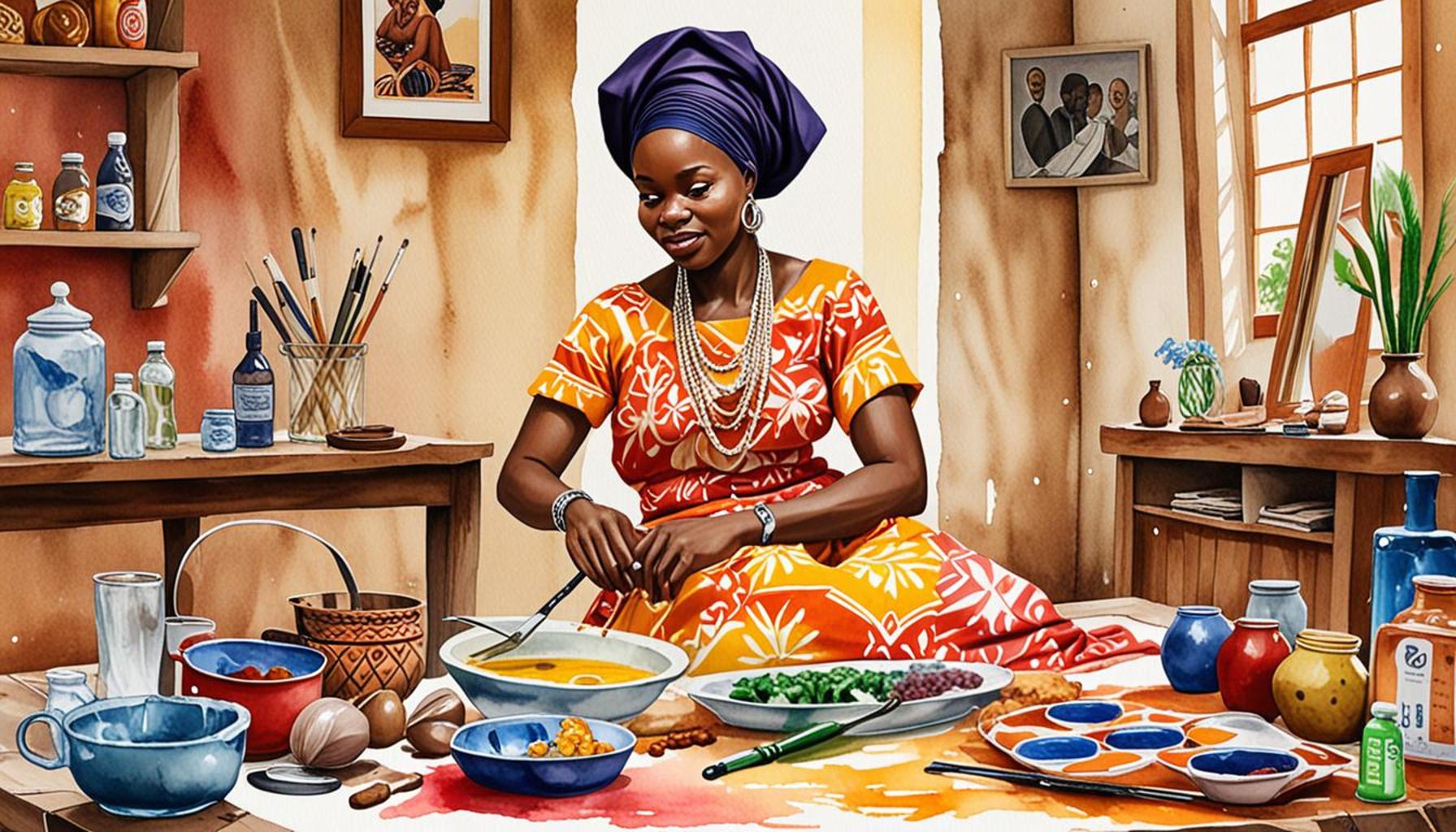
Craft clubs are fantastic platforms for local artisans and creative enthusiasts to come together, share ideas, and create stunning works of art. By establishing a local craft club, you encourage collaboration among community members, which can lead to not only enhanced artistic skills but also meaningful social connections. In Nigeria, where the vibrant tapestry of culture and craftsmanship thrives, such clubs can play a significant role in preserving traditional skills while exploring modern techniques.
Identifying Community Interests
Before launching your craft club, it’s crucial to identify your community’s interests. Engaging with locals can be as simple as hosting an informal meet-and-greet to discuss various crafting options, from beadwork, which is prevalent in many Nigerian cultures, to textile arts like weaving and dyeing. For example, you might find that many people in your community have a passion for traditional fabric using methods such as batik or adire, which could spark workshops centered around these techniques. By tailoring your club’s focus to these interests, you not only attract participants but also celebrate and sustain the cultural practices unique to Nigeria.
Choosing the Right Venue
Finding a suitable venue for your craft club is another essential step. Community centers are often a great choice, as they typically have the necessary space and equipment, and they foster an environment of inclusiveness. Parks with picnic tables can also provide a refreshing backdrop, especially for outdoor crafting activities. Alternatively, you could host the club in your home or rotate between members’ homes to promote a cozy atmosphere. This approach can further encourage participants to share their stories and influences on crafting, enhancing the collaborative spirit of the club.
Establishing a Meeting Schedule
Setting a regular meeting schedule is crucial for maintaining engagement within the group. Meeting bi-weekly or monthly could work well depending on participants’ availability. Consistency not only keeps members invested but also allows them to look forward to the gatherings. Each session can feature a new project, such as making traditional African masks, painting, or even creating unique personal items like jewelry or home décor. You can also include guest artisans to provide demonstrations, offering fresh perspectives and techniques that inspire creativity.
In Nigeria, where numerous crafts hold rich historical significance, your club can create a wonderful opportunity to explore these art forms. Each meeting may allow for learning from skilled artisans, diving deeper into local crafts and perhaps inspiring members to develop their unique styles. With countless avenues to explore, from creating decorative items that reflect Nigerian culture to honing practical skills, the potential for growth and creativity is limitless.
This guide serves as a starting point to help you launch your craft club. With the right approach, you will not only enhance the artistic skills of your members but also foster connections that can strengthen your community. Let’s get crafting and make a lasting impact!
ADDITIONAL INSIGHTS: Expand your understanding here
Creating a Welcoming and Inclusive Environment
Once you’ve established your craft club’s focus and chosen a venue, the next step is to create a warm and inclusive atmosphere that encourages participation from everyone. Emphasizing that your club is open to all skill levels—from beginners to advanced artisans—will ensure that a diverse range of people feel comfortable participating. You can set this tone by promoting a culture of sharing and learning, where experienced crafters mentor newcomers, fostering an environment of support and collaboration. Ensure that every member feels valued, as this will not only enrich the crafting experience but may also lead to long-lasting friendships.
Planning Engaging Projects
One of the most exciting aspects of running a craft club is the opportunity to dive into creative projects. Planning engaging projects can serve as the key to sustaining interest over time. Consider the following ideas that resonate well with Nigerian culture while also encouraging participation:
- Beadwork Workshops: Explore the art of making traditional beaded jewelry. This ancient craft is not only enjoyable but allows participants to create unique pieces reflecting their heritage.
- Batik and Adire Dyeing: Organize sessions to teach the intricate techniques used in fabric dyeing. Participants can design their own cloth, making it a perfect blend of creativity and tradition.
- Wood Carving Classes: If your community has skills in woodwork, inviting a local artisan to demonstrate this craft can be inspiring. Members can learn to create decorative items while also appreciating the cultural significance behind them.
- Seasonal Crafts: Celebrate local festivals and holidays by creating themed crafts. For instance, a session could focus on creating decorations for Eid or the New Yam Festival, allowing participants to express their culture creatively.
By mixing traditional crafts with contemporary ideas, the club can appeal to a broader audience. Don’t hesitate to gather feedback from club members on what types of projects they are most excited about. This feedback will enhance engagement and help generate new ideas, keeping the creative energy alive.
Marketing Your Craft Club
As your craft club takes shape, it’s essential to spread the word and attract members. Marketing is key to the growth of your club. Utilize local social media platforms, such as Facebook, Instagram, or Twitter, to share information about meetings and upcoming projects. Create vibrant flyers to hang in community centers, local businesses, and universities to reach a wider audience. You can also engage directly with the community by participating in local events or markets, showcasing craft pieces made by club members. Such visibility can stir interest and demonstrate the tangible outcomes of collective creativity.
In directing your crafting initiatives, remember that every member’s contribution helps shape your club’s identity. Building a community where creativity flourishes is not only feasible but can also serve as a powerful tool for preserving local cultures and inspiring new generations. By following these steps, you’ll lay a solid foundation for a thriving local craft club that resonates deeply within your community.
How to Start a Local Craft Club: Tips and Project Ideas
Starting a local craft club is not just about gathering materials and individuals; it’s about cultivating a vibrant community where creative minds can connect, learn, and thrive together. The foundation of a successful craft club lies in its membership. It’s essential to reach out and engage with your audience through local social media groups, community boards, and word of mouth. Consider hosting an introductory meeting to gauge interest, discuss ideas, and set the groundwork for your club’s vision.Choosing the Right Projects is pivotal in keeping club members engaged. Opt for a mix of accessible, beginner-friendly projects and more advanced challenges. For example, you might start with simple knitting or jewelry-making sessions before moving on to complex woodworking or pottery classes. These choices ensure that everyone feels included regardless of their skill level. Incorporating themed project nights can also bring excitement to your club. A holiday ornament-making night, for instance, creates a festive atmosphere and adds a personal touch to your seasonal decorations. Collaborating with local artisans or inviting guest speakers can further enrich the experience, providing members with new techniques, tips, and inspiration.When it comes to logistics, consider a convenient meeting place that resonates with the craft theme, like a local community center or art studio. Regular scheduling—whether it’s bi-weekly or monthly—helps create a routine that members can rely on. Encourage members to bring their own supplies while also discussing a communal fund to purchase more significant tools or materials when necessary. Furthermore, always promote an atmosphere of support and encouragement within the club. Establishing a culture where members feel comfortable sharing their creations, asking questions, and offering constructive feedback can significantly enhance the overall experience.To help you visualize the insights and advantages of joining or starting a craft club, refer to the table below that outlines key benefits and categories related to this engaging pastime.
| Category | Description |
|---|---|
| Community Building | Connect with like-minded individuals and foster lasting relationships. |
| Skill Development | Learn and refine various crafting skills from experienced members. |
Understanding the dynamics of your craft club will pave the way for memorable project ideas and meaningful connections. Emphasizing creativity and cooperative spirit will invite new members and keep the existing ones excited about what’s coming next.
ADDITIONAL INSIGHTS: Expand your understanding here
Building Community Through Collaboration
Establishing a successful craft club goes beyond just organizing meetings and projects; it’s about fostering a sense of community. Emphasizing collaboration within your group can attract more members and keep them engaged. You might consider incorporating a structure in which members can suggest projects or lead workshops based on their expertise. This not only shares the workload but also showcases the talents within your group, enabling members to shine while learning from one another. Fostering a spirit of collaboration will deepen connections between members and help cultivate a vibrant crafting community.
Host Themed Events and Challenges
To maintain enthusiasm and participation, consider hosting themed events and crafting challenges that can rejuvenate the creative energy in your club. For example, you could organize an annual craft fair where members display their works, sell finished products, or demonstrate their techniques to the community. Events like these elevate the exposure of your craft club and allow members to showcase their creativity, while also creating opportunities for networking.
- Monthly Craft Challenges: Initiate a monthly theme where members create something based on a specific material or style. This not only encourages experimentation but provides diverse examples of creative expression.
- Craft Swap: Organize a craft supply swap where members can share excess materials they may have. This not only promotes sustainability but also gives everyone a chance to try new materials without needing to purchase them.
- Guest Speakers: Invite local artisans or experts to discuss various topics related to craftsmanship. These interactions can inspire members and provide newfound skills and insights that can be applied to their work.
- Collaborative Projects: Periodically work on a large group project, such as creating a community mural or a public art installation. This fosters teamwork, encourages participation from various skill levels, and strengthens the bond among members.
Leveraging Social Media and Online Platforms
In today’s digital age, online engagement can do wonders for your craft club. Utilize social media platforms not just for marketing but as a way to foster ongoing communication among members. Create a private Facebook group or group chat on WhatsApp for quick updates and discussions between meetings. Share pictures of completed projects, host virtual crafting sessions, and post tutorials or how-to guides that might interest members. This constant engagement keeps the excitement alive and serves as a platform for continued collaboration.
Additionally, consider using popular platforms like YouTube or Instagram to showcase club activities and projects. Featuring short, engaging videos featuring tips, techniques, and member interviews can draw more attention and even attract potential members interested in your crafts. This adaptability in presentation helps in crafting an inclusive environment where the community’s creative pulse can continuously thrive.
Lastly, understanding the importance of cultural relevance in your project ideas can significantly elevate members’ involvement. Creating themes or projects that resonate with local traditions or address current issues can lead to compelling discussions and innovative crafting directions. By valuing and addressing your community’s unique context in your craft initiatives, your club is far more likely to flourish and stay relevant.
RECOMMENDED: Check out this similar article
Conclusion
In conclusion, starting a local craft club can be a rewarding endeavor that not only celebrates creativity but also strengthens community bonds. By focusing on collaboration, incorporating member-led projects, and engaging in themed events, you’ll cultivate an environment where everyone feels valued and inspired to express their artistic vision. Leveraging social media and online platforms will enhance communication, keeping the excitement alive even between meetings, while showcasing the unique talents of your members.
As you embark on this journey, remember the importance of cultural relevance in your projects. Embracing local traditions and addressing contemporary issues will not only attract a diverse group of members but also ensure that your craft club resonates with the community. Whether you choose to host guest speakers, organize craft swaps, or engage in large collaborative works, the key is to maintain a dynamic and inclusive atmosphere where creativity can flourish.
As you reflect on these tips and project ideas, consider how you can tailor them to your own community metrics. With commitment, creativity, and collaboration, your local craft club has the potential to become a vibrant hub of innovation and connection. So gather your materials, rally your neighbors, and set forth on this exciting crafting adventure that not only encourages artistic expression but also enriches the communal fabric of your locality.