Interactive Crafts: DIY Projects for Children and Families in Nigeria
Unleashing Creativity Through Interactive Crafts
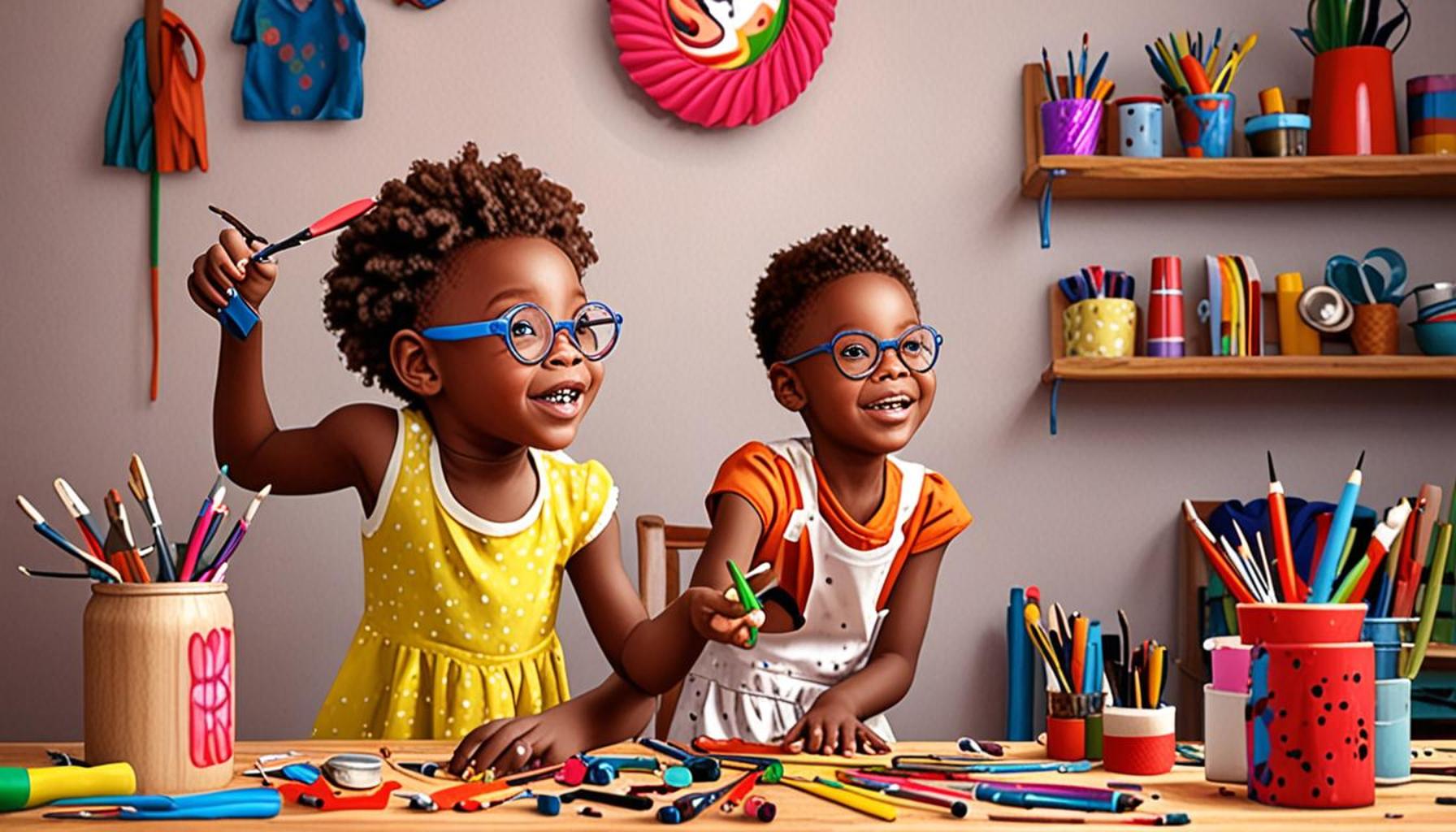
Engaging in interactive crafts opens up a delightful avenue for children and families in Nigeria to explore their creativity while nurturing relationships. With Nigeria’s rich tapestry of cultures and its diverse natural resources, the opportunities for DIY projects are endless and provide not only entertainment but also educational value.
Crafting serves a multifaceted purpose beyond mere creation; it plays a crucial role in developing essential skills in children. For instance:
- Problem-solving: Children encounter various challenges during the crafting process, such as figuring out how to balance materials for a sculpture or choosing colors that complement each other. These moments encourage them to think critically and develop solutions.
- Fine motor skills: Activities like cutting paper, painting, or molding clay require precision and control, which enhance hand-eye coordination and dexterity, fundamental for children as they grow.
- Imagination: Crafting stimulates open-ended thinking. By allowing children to express themselves creatively, they learn to visualize and bring their ideas to life.
As families seek to reconnect in our fast-paced world, the rekindling of interest in hands-on activities emerges as a vital trend. Interactive crafts not only ignite individual creativity but also serve as a platform for families to bond. Each project undertaken together becomes a shared memory, reinforcing emotional connections. Here are some engaging DIY craft ideas that encourage exploration:
- Nature crafts: Utilize indigenous materials such as palm fronds, colorful seeds, and vibrant local flowers. For example, children can create collages using leaves in various shapes and sizes, representing the lush landscapes of Nigeria.
- Recycled projects: Encourage sustainability by turning old plastic bottles into planters or transforming cardboard boxes into imaginative toys. For instance, creating decorative storage boxes from discarded cereal boxes can teach children resourcefulness while minimizing waste.
- Cultural crafts: Explore Nigeria’s rich heritage by creating traditional artifacts. This could include weaving with local fibers or painting calabashes using traditional patterns, allowing children to learn about their culture while expressing themselves artistically.
As we navigate the magical landscape of interactive crafts, it becomes evident that these simple yet impactful projects can create lasting family memories. Whether through nature-inspired creations, recycling initiatives, or cultural expression, crafting has the power to foster creativity and provide valuable learning experiences. It’s time for families to gather supplies, unleash their imaginations, and enjoy the joyful journey of DIY projects together.
YOU MAY ALSO LIKE: Read read another article
Exploring DIY Craft Projects Together
As families gather to engage in interactive crafts, they embark on a journey that is creatively enriching and deeply educational. This activity serves as an excellent medium for teaching children about their surroundings and their heritage while enhancing their practical skills. In a country as diverse as Nigeria, where the artistry of various ethnic groups creates a vibrant cultural landscape, the potential for craft projects is immense.
One of the most exciting aspects of DIY crafting is its ability to draw upon local resources. Families can easily access natural materials like clay, leaves, and twigs, as well as items that might otherwise be discarded, such as plastic containers and old clothing. Here are some engaging project ideas that can inspire families to unleash their creativity within the rich context of Nigeria:
- Fabric crafts: Transforming traditional fabrics into art is a splendid way to connect with Nigeria’s rich textile heritage. Families can try their hand at batik painting or fabric patchworks using vibrant Ankara cloth. This not only fosters creativity but also instills a sense of pride in cultural traditions.
- Puppet making: Creating puppets using old socks or paper bags can be an enjoyable way to bring stories from Nigerian folklore to life. Children can design their puppets to resemble characters from traditional tales, which encourages imaginative storytelling and language skills.
- Beaded crafts: Utilizing locally sourced beads, families can create beautiful jewelry or decorative items. This project fosters fine motor skills and offers an opportunity to learn about the significance of beadwork in various Nigerian cultures.
- Community art projects: Working with neighbors to create a large mural can inspire teamwork and foster a sense of community. This can be particularly engaging when it involves illustrating shared cultural values or local history, enhancing children’s knowledge of their surroundings.
Each of these projects not only taps into the rich resources and cultural heritage of Nigeria but also emphasizes the importance of collaboration between family members. As children work alongside their parents or siblings, they learn valuable social skills such as communication and cooperation. These interactions can strengthen family bonds, making the crafting experience both meaningful and nurturing.
The beauty of interactive crafts lies in their adaptability; projects can be tailored to suit children of varying ages or abilities. Simple tasks can be reserved for younger children, while more intricate designs can challenge older siblings. This inclusivity ensures that everyone has a role to play, fostering a spirit of unity and shared accomplishment.
Ultimately, the realm of DIY crafting becomes a playground for both the mind and spirit. As families explore and create, they will not only leave with finished products but also with enhanced relationships and priceless memories. By breaking down barriers through collaborative art, families living in Nigeria can fully embrace the joys and benefits of engaging in interactive crafts.
When it comes to enriching the lives of children and families in Nigeria, the realm of crafts offers a treasure trove of benefits. Engaging in Interactive Crafts can foster creativity, critical thinking, and collaboration among family members. These projects not only serve as a medium for self-expression but also encourage learning through hands-on activities.
| Category | Description |
|---|---|
| Skill Development | Crafting enhances fine motor skills, as children learn to manipulate various materials. |
| Family Bonding | Engaging in projects as a family fosters stronger relationships and communication. |
Moreover, Interactive Crafts promote sustainability as families can utilize recycled materials, teaching children the importance of eco-friendliness. With accessible, low-cost supplies, these DIY projects break barriers to creativity, making them suitable for economically diverse families. The transformation of ordinary items into art cultivates a sense of achievement, inspiring children to innovate and embrace their unique talents.
As communities across Nigeria continue to embrace these DIY projects, parents can take pride in inspiring a generation that values creativity and sustainability. The profound benefits of these engaging activities extend far beyond the craft itself, instilling valuable life skills in children that will serve them well into adulthood.
YOU MAY ALSO LIKE: Read read another article
Integrating Learning and Fun through Crafting
As families dive deeper into the world of interactive crafts, they uncover not just artistic expression but also significant educational benefits. Engaging in DIY crafting allows children to explore elements of science, math, and history in a fun and practical manner, laying the groundwork for a well-rounded learning experience. Here are some additional DIY projects that encourage educational growth while embracing Nigerian culture:
- Nature Collages: Collecting leaves, flowers, and other natural artifacts establishes a connection to the environment. Families can create collages or nature journals, teaching children about local flora and fauna. By discussing the role of these plants in local ecosystems or traditional medicine, such projects seamlessly integrate science and cultural knowledge.
- Recycled Material Crafts: In a nation facing environmental challenges, creatively repurposing materials can inspire eco-consciousness among children. Projects such as building decorative items from plastic bottles or old newspapers not only promote recycling but also demonstrate principles of sustainability. As families work together, they can discuss the importance of environmental stewardship in the context of Nigeria’s diverse landscapes.
- Story Rocks: Families can create story rocks by painting symbols or characters from popular Nigerian folktales. This project encourages children to combine art with narrative skills as they use the painted stones to tell or retell stories, fostering literary engagement and creative thinking.
- Cultural Masks: Crafting traditional masks from mud, paper mache, or clay can do wonders for children’s artistic skills while introducing them to the vibrant heritage of Nigeria’s various ethnic groups. Families can learn about the significance of masks in rituals and local traditions, further enriching their appreciation for the diverse cultural landscape of the country.
These projects not only stimulate creativity but also enrich knowledge, promoting a holistic approach to learning. As children navigate through various dimensions of a project, they discover connections between art and cultural identity, mathematics through measurements, or science through understanding materials. For instance, while creating a natural collage, children learn about size relationships and spatial awareness as they place elements in their artwork. Similarly, the nature of crafting helps cultivate critical thinking skills as families need to plan and troubleshoot during the creative process.
Furthermore, hands-on activities like crafting allow for a multi-sensory learning experience, which is particularly beneficial for younger children. The tactile nature of working with different materials helps in developing motor skills while enhancing cognitive development. Additionally, collaborating with family members during these projects encourages children to express their thoughts and feelings, leveraging emotional intelligence as a result of shared experiences.
Incorporating local legends, customs, and environmental issues into DIY projects fosters a sense of belonging and identity within children. The act of creating something beautiful allows families to celebrate their unique heritage while laying a foundation for environmental awareness and respect for the community. By weaving storytelling into crafting, families are nurturing a love for both art and their cultural roots, engaging children in meaningful interactions that will stay with them into their futures.
ADDITIONAL INSIGHTS: Expand your understanding here
Conclusion: The Power of Interactive Crafts in Nigerian Families
As we have seen, interactive crafts present a wonderful opportunity for children and families in Nigeria to combine fun and education in unique ways. DIY projects such as nature collages, recycled materials crafts, and cultural masks not only stimulate creativity but also encourage family bonding, environmental stewardship, and cultural appreciation. Crafting together serves as an avenue to enhance emotional intelligence, allowing children to express their thoughts and feelings while collaborating with family members on meaningful projects.
Moreover, these projects promote an engaging learning experience that transcends traditional classroom boundaries. By entwining local customs and environmental issues with crafting, families foster a rich sense of identity and belonging among children. Each handcrafted item becomes a conversation starter, a lesson in history, or a step towards understanding the importance of sustainability in a rapidly changing world.
In a country as diverse and vibrant as Nigeria, interactive crafts serve as a bridge connecting generations and cultures. Families are encouraged to explore additional projects that reflect their unique heritage and local environment. Whether it is through painting, sculpting, or building, the act of creating together offers an invaluable opportunity to leave a lasting impact on children’s development and understanding of their cultural roots.
As families continue to experiment with DIY projects, they not only cultivate a nurturing, creative atmosphere but also instill valuable life skills and knowledge that equip children for their future. Therefore, let us embrace the wonderful world of crafting as a tool for learning and connection, nurturing a new generation that values creativity, culture, and community.