Literature and the Role of Narrative in the Formation of Social and Collective Consciousness

The Influence of Storytelling in Shaping Culture
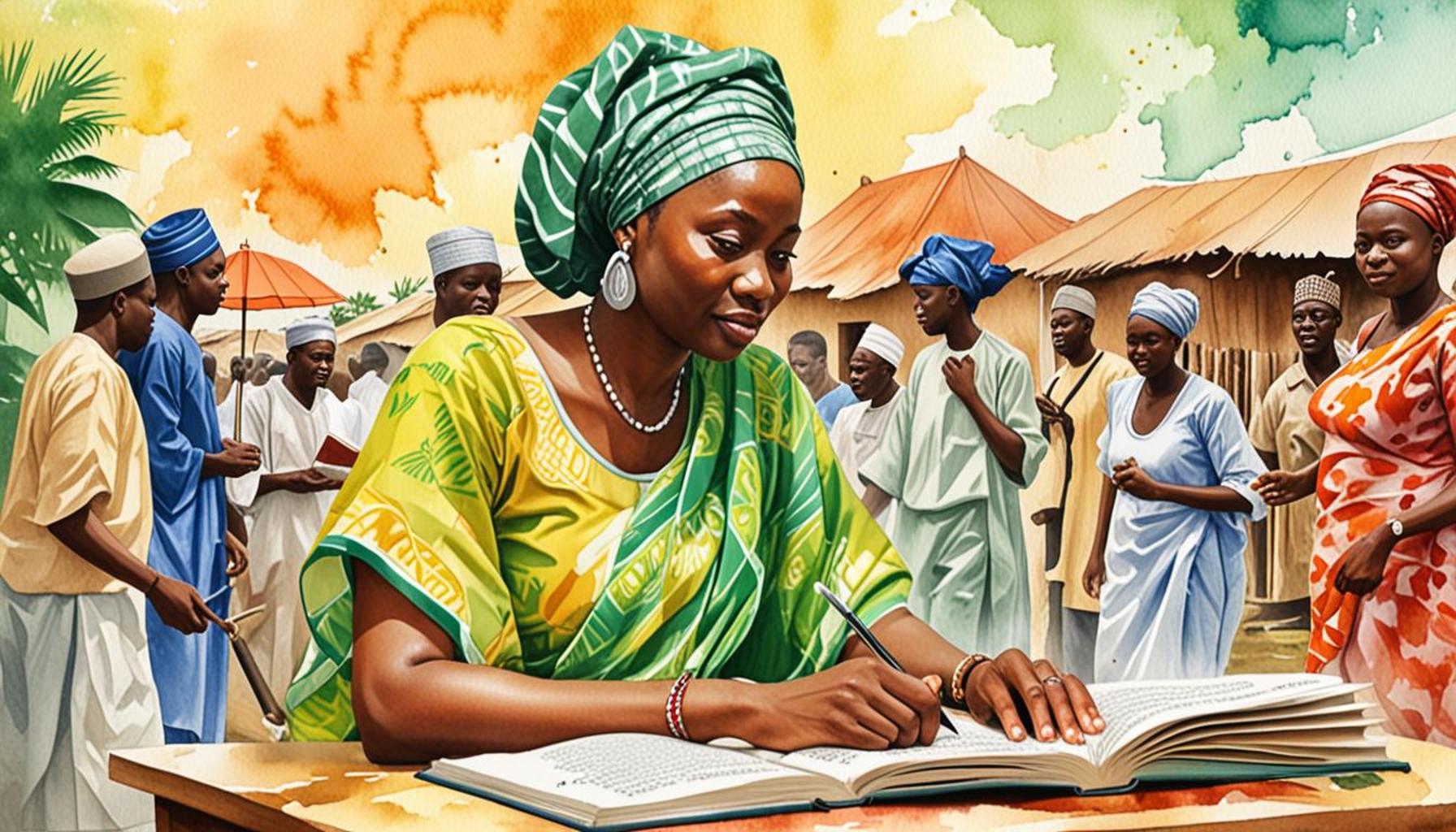
The stories we encounter in literature do more than entertain; they actively shape our understanding of the world and our identity. From the time-honored oral traditions passed down through generations to the vibrant novels authored in contemporary Nigeria, literature serves as a vital conduit for cultural expression, encapsulating social dynamics and the collective consciousness of its people. In Nigeria, narratives not only weave strands of cultural values and communal beliefs but also illuminate shared experiences that contribute to a rich tapestry of identity.
Literature fulfills many significant functions, including:
- Education: Through compelling storytelling, literature enlightens readers about pressing societal issues such as corruption, inequality, and human rights violations. For instance, Chinua Achebe’s novel “Things Fall Apart” provides a profound commentary on the effects of colonialism on traditional Igbo society.
- Empathy: Literature fosters understanding by offering insights into diverse perspectives and lived experiences. This is evident in Buchi Emecheta’s works, such as “The Joys of Womanhood,” where the struggles of women in a patriarchal society are portrayed, allowing readers to appreciate and empathize with their experiences.
- Reflection: Engaging with literature encourages introspection, prompting readers to examine their beliefs and actions. Wole Soyinka’s plays often reflect on the moral complexities of leadership, urging audiences to contemplate their responsibility in shaping society.
Prominent Nigerian authors exemplify the profound impact of narrative:
- Chinua Achebe: Often regarded as the father of African literature in English, Achebe’s critiques of colonialism not only underscore the loss of African identity but also reclaim it through rich storytelling.
- Buchi Emecheta: Through her storytelling, Emecheta shines a spotlight on the intersections of gender, class, and race, particularly examining the lives of Nigerian women navigating a complex social landscape.
- Wole Soyinka: A Nobel laureate, Soyinka’s plays and poetry intertwine themes of politics and cultural heritage, demonstrating how art can serve as a platform for social critique and activism.
Through these narratives, literature acts as a mirror reflecting societal values, conflicts, and aspirations. The act of engaging with these stories enriches individual experiences while simultaneously strengthening collective awareness. By understanding the role of narrative in literature, readers are invited to explore how these shared stories can inspire social change, encourage dialogue, and foster community bonds. As Nigeria continues to navigate its complexities, literature remains a powerful tool for promoting understanding and unity among its diverse populace. Engaging with these narratives not only broadens perspectives but also cultivates a deeper appreciation for the cultural richness that literature brings.
ADDITIONAL INSIGHTS: Expand your understanding here
The Power of Narrative in Defining Identity
Narratives in literature serve as vessels for conveying the values, struggles, and aspirations of societies, thereby playing a crucial role in the formation of social and collective consciousness. In Nigeria, a country with a rich mosaic of cultural affiliations, storytelling becomes an act of reclaiming identity, especially in the face of historical injustices and socio-political challenges. By dissecting the multilayered narratives presented in Nigerian literature, one can observe how stories foster a shared understanding of community and societal dynamics.
Throughout history, storytelling has been an essential form of cultural articulation. In the past, oral traditions, with their rhythmic cadences and engaging tales, not only educated younger generations but also preserved the heritage of diverse ethnic groups. As these oral histories evolved into written forms, notable Nigerian authors embraced the responsibility of reflecting their societies. Through their compelling narratives, they highlight various dimensions of identity, allowing readers to connect with their cultural roots.
Moreover, the stories told in Nigerian literature serve to shine a light on prevalent social issues. For example, the themes of corruption and leadership crises in books like “A Man of the People” by Chinua Achebe illustrate the pitfalls of governance while also drawing attention to the power and potential of the citizenry. By engaging with such narratives, readers are not merely spectators; they become participants in the dialogue surrounding critical issues that affect their existence.
In addition to addressing societal problems, narratives in literature foster empathy and understanding among readers from diverse backgrounds. The works of authors like Buchi Emecheta, with their poignant insights into the lives of women and marginalized groups, provide a platform for voices that often go unheard. By sharing their lived experiences, these narratives allow readers to step into the shoes of others, cultivating a sense of solidarity and compassion in a fragmented society.
Consider the following key contributions of literature to the formation of collective consciousness:
- Preservation of Cultural Heritage: Literature serves as a record of cultural practices, beliefs, and histories, ensuring that future generations are grounded in their rich traditions.
- Catalyst for Social Change: By addressing injustices and highlighting disparities, literature inspires collective action and encourages critical reflection among readers.
- Strengthening Community Bonds: Shared narratives foster a sense of belonging among individuals, bridging gaps between diverse communities and instilling a sense of shared purpose.
Ultimately, the role of narrative in literature transcends mere storytelling; it is a powerful means of collective expression. As readers engage with the intricacies of these narratives, they contribute to a larger discourse on social consciousness, laying the groundwork for potential change and unity. The continuing evolution of literature in Nigeria offers a fertile space for exploration and dialogue, challenging societal norms while championing the voices of the people.
| Advantages | Impact on Society |
|---|---|
| Enhanced Empathy | Literature fosters understanding of diverse perspectives, allowing readers to connect emotionally with others’ experiences. |
| Cultural Reflection | Narratives often reflect societal values and conflicts, prompting discussions around important social issues. |
| Critical Thinking | Engaging with complex narratives encourages readers to analyze and question their own beliefs and societal norms. |
| Collective Identity | Shared stories can unify individuals, fostering a sense of belonging and helping communities to form their identity. |
In the realm of literature, narratives serve not only as a form of entertainment but also as pivotal catalysts for social change. They craft worlds where empathy thrives, enabling readers to immerse themselves in experiences different from their own. This emotional engagement is crucial in challenging prevailing biases and prejudices.Moreover, through the lens of culture, literature acts as a mirror, reflecting the values and conflicts of society. This reflection holds the power to ignite conversations around critical social issues, pushing readers to confront uncomfortable realities. Furthermore, literary analysis promotes critical thinking, encouraging individuals to scrutinize their beliefs and the societal structures around them.Ultimately, the power of narrative in literature influences collective consciousness by shaping the identities of communities. As readers share stories that resonate, they foster unity and forge connections, demonstrating how literature’s role extends far beyond mere storytelling into the heart of social cohesion and evolution.
RECOMMENDED: Check out this similar article
Narrative as a Mirror of Societal Change
Literature holds a reflective lens to society, allowing not only for the exploration of personal identity but also for an examination of collective experiences that shape communities. In Nigeria, the shifting dynamics of social norms can be vividly traced through the evolution of its literature. Authors like Wole Soyinka and Chimamanda Ngozi Adichie have continually documented the complexities of Nigerian society, inviting readers to critically engage with the transformative processes at play.
One significant aspect of this transformative power lies in the ability of narratives to articulate historical consciousness. The Nigerian Civil War, often referred to as the Biafran War, has profoundly influenced contemporary literature. Novels like Half of a Yellow Sun by Adichie serve not solely as fictional accounts but as detailed explorations of the trauma and turbulence of that period. By showcasing varied perspectives on this challenging epoch, such narratives provoke discussions around healing, reconciliation, and the collective memory that binds communities together. This emphasis on storytelling not only preserves history but also offers a platform for understanding how the past continues to shape present realities.
In addition, the rise of digital storytelling and online platforms has expanded the reach of literary narratives, opening doors for new voices to emerge. Young Nigerian authors and poets are utilizing social media to share their works, transcending geographical boundaries and traditional publishing frameworks. This democratization of storytelling fosters a new kind of collective engagement, where readers can actively participate in discussions, respond to narratives, and even shape the trajectory of storytelling. Digital spaces provide a fertile ground for diverse narratives that reflect contemporary challenges and aspirations, demonstrating how collective consciousness can evolve through shared experiences across generations.
Moreover, literature’s role in the critique of societal norms cannot be overstated. By addressing gender inequality, political oppression, and economic disparities, writers challenge prevailing power structures and encourage readers to question their realities. For instance, works by Sefi Atta focus on the lives of women navigating societal constraints, compelling readers to confront the roles women play within both family and national contexts. Through such narratives, readers gain insights into the systemic issues that perpetuate inequality, fostering critical awareness and inspiring collective advocacy for change.
Importantly, the impact of these narratives is not limited to literature alone; they seep into various aspects of Nigerian life, including politics, education, and social movements. Literature often provides the philosophical underpinnings for activism, as seen in the ways young Nigerians have mobilized around issues such as police brutality through campaigns like EndSARS. Literary references in these movements reflect a deep-rooted understanding of historical injustices and a unified call for justice and reform, emphasizing the interconnectedness of narrative and social action.
The dynamic interplay between literature and social consciousness illustrates how stories shape reality and foster a common identity. By engaging with the rich narratives emerging from Nigeria’s literary landscape, readers not only enrich their understanding of their society but also contribute to a more profound dialogue about the future of collective consciousness. Ultimately, the transformative potential of narrative calls for an ongoing commitment to reflection, empathy, and unity in a rapidly evolving world.
ADDITIONAL INSIGHTS: Expand your understanding here
Conclusion
As we delve into the intricate relationship between literature and the formation of social and collective consciousness, it becomes apparent that narratives serve as vital conduits for understanding, reshaping, and redefining societal values. Through the works of Nigerian authors, literature not only acts as a reflection of historical events and cultural transformations but also fosters a space for dialogue concerning ongoing societal issues, thereby elevating the collective voice of the community.
The emergence of diverse narrative forms, particularly in digital spaces, highlights the evolving nature of storytelling in Nigeria. As new voices rise, the spectrum of narratives broadens, inviting a more inclusive conversation around shared experiences and challenges. These narratives provide a fertile ground for readers to engage with and question existing norms, ultimately contributing to a transformative path toward social justice and unity.
Ultimately, the power of narrative lies not just in its ability to entertain or inform, but in its capacity to inspire action, provoke thought, and cultivate empathy. By embracing literature as a pivotal tool for fostering collective awareness, we can pave the way for a future where stories empower individuals and communities alike. The role of literature thus transcends traditional boundaries, solidifying its position as an essential pillar in the quest for understanding and addressing the complexities of modern society. As readers, we are challenged to not only consume these narratives but to actively participate in the ongoing dialogue they inspire, shaping a more cohesive and aware collective consciousness.