Street Cuisine: Exploring Delights and Flavors of Nigeria’s Markets
Unveiling Nigeria’s Culinary Treasures
Street cuisine in Nigeria is a vibrant tapestry woven from diverse cultures, traditions, and flavors. It represents more than just food; it’s an immersive experience that evokes memories and fosters community. Each market tells a story, unveiling the rich heritage and modern influences that shape Nigerian dishes. With a blend of indigenous ingredients and cultural exchanges, street food serves as a reflection of Nigeria’s multifaceted identity.
Key Features of Nigerian Street Cuisine
- Variety of Flavors: The breadth of flavors in Nigerian street food is astounding. For instance, consider the popular spicy suya skewers, which are marinated pieces of meat grilled over open flames, often enjoyed with slices of onions and spicy pepper sauce. Then there’s the beloved jollof rice, a one-pot dish celebrated for its bold taste, often complemented with fried plantains and grilled chicken, showcasing the perfect marriage of spices.
- Local Ingredients: Fresh produce is the cornerstone of Nigerian street cuisine. From market stalls bursting with vibrant tomatoes, peppers, and onions to succulent meats sourced from local farms, every dish reflects an emphasis on quality and availability. Unique spices such as locust beans (iru) and ground crayfish add depth, creating delightful flavors that are both affordable and delectable. For example, egusi soup, made from ground melon seeds, and paired with pounded yam, demonstrates how local ingredients take center stage in Nigerian cooking.
- Cultural Significance: Street food in Nigeria isn’t merely about nourishment; it serves as a communal experience. Shared meals foster connections among friends, families, and even strangers. Vendors often form the pulse of neighborhoods, where people gather to relish local specialties, swap stories, and build relationships. For instance, during festive periods, street corners may transform into hubs of celebration, as people come together to enjoy delicacies like pepper soup or biko, a pudding made from rice.
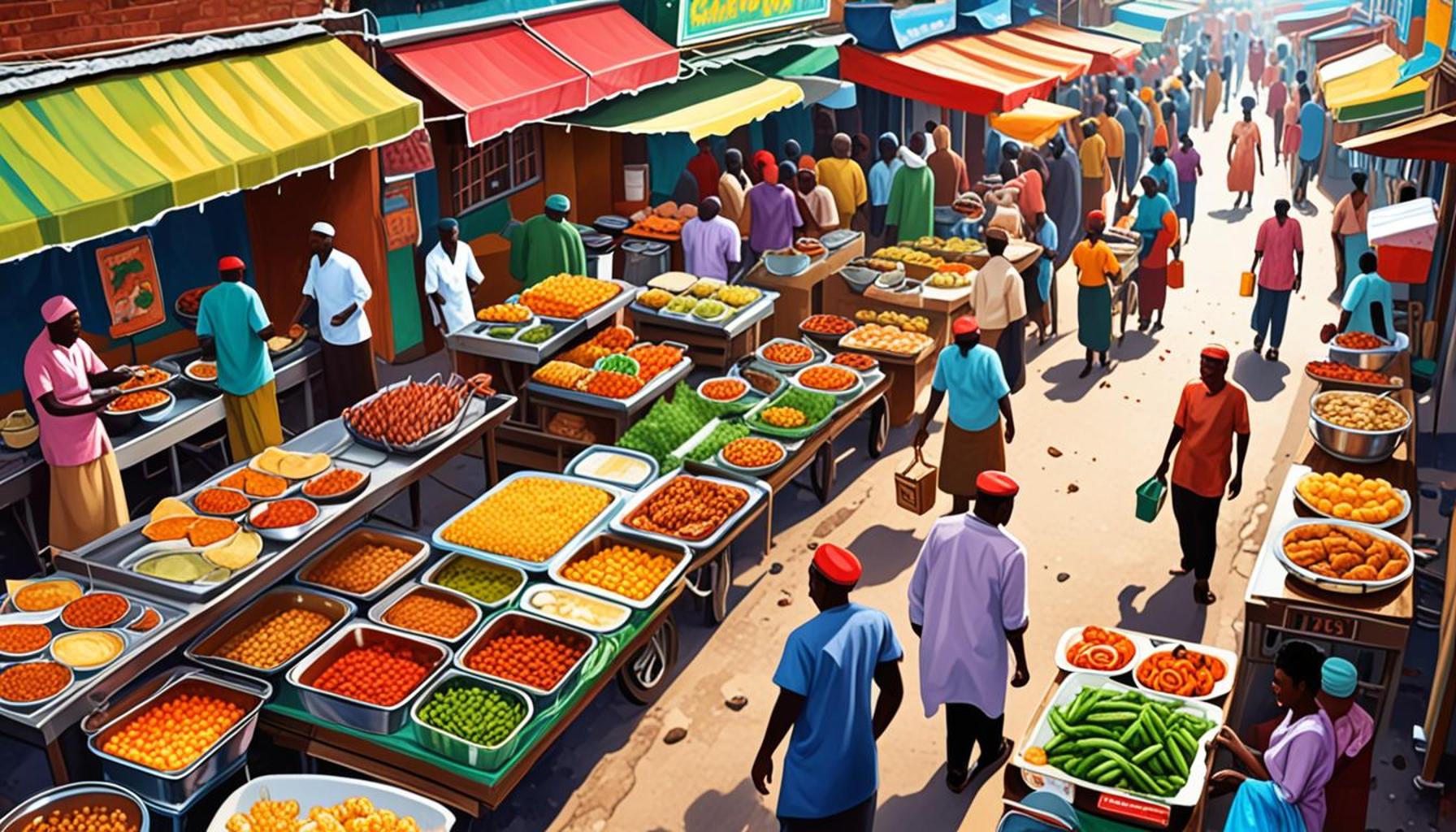
As the sun sets, bustling markets like Lagos’s Balogun Market come alive, filling the air with tantalizing aromas and lively chatter. Vendors showcase their culinary skills, tempting passersby with sizzling snacks and hearty meals that highlight Nigeria’s rich cultural diversity. This culinary adventure is not just a treat for the taste buds; it is a journey into the heart of Nigerian society, reflecting the rhythms of day-to-day life.
Explore the Essence of Nigerian Markets
To truly appreciate Nigerian cuisine, one must dive into the sensory experience of its street food markets. From the unique taste of amala and efo riro in the South-West to the spicy dishes of the North such as kilishi and fura, each bite offers a glimpse into the country’s vibrant soul. Every market presents a mosaic of flavors, stories, and culinary techniques passed down through generations, inviting both locals and visitors alike to explore the delights and flavors that await in every corner of this dynamic nation. Embrace the adventure, as each plate and each vendor has a tale waiting to be savored.
RECOMMENDED: Check out this similar article
Flavors of Tradition and Innovation
As you wander through the bustling streets of Nigeria, it becomes apparent that its street cuisine is not merely food; it is a canvas painted with the colors of cultural heritage and contemporary gastronomic trends. Each vendor offers a unique blend of aromas that invite even the most hesitant food lovers to indulge. The culinary diversity is astounding—each region of Nigeria contributes its nuances, ensuring an unforgettable experience for every palate.
Street Food Staples You Can’t Miss
While exploring Nigeria’s street food scene, several staples are essential to truly experience the country’s culinary offerings. Here are a few dishes you must not overlook:
- Akara: These deep-fried bean cakes are a popular breakfast choice across Nigeria. Made from blended black-eyed peas seasoned with onions and peppers, akara is often crispy on the outside and soft inside, served with spicy pepper sauce or custard for dipping.
- Puff Puff: Another beloved street snack, puff puff consists of fluffy, deep-fried dough balls that are sweetened, making them a delightful treat for both children and adults. Sold by vendors in colorful baskets, they are often enjoyed at parties or during gatherings.
- Moi Moi: This steamed bean pudding showcases Nigeria’s unique culinary traditions. The dish is made from blended beans mixed with spices, fish, or meat, delivering a savory taste and rich texture. Moi Moi is frequently served alongside jollof rice or as a side dish at elaborate feasts.
- Boli: Grilled plantains, known as boli, are a quintessential street food found in many Nigerian markets. The sweet, smoky flavor of perfectly charred plantains pairs wonderfully with groundnut (peanut) sauce or pepper sauce, creating a satisfying snack or accompaniment to main dishes.
- Gari and Ewa: Gari, made from cassava, is often paired with ewa (mashed beans) for a hearty street meal. The combination reflects the deep-rooted agricultural practices found in Nigeria, emphasizing the importance of local produce while creating a filling dish.
These culinary treasures are often cooked and served on the street, allowing for direct interaction between vendors and customers. This dynamic not only showcases the talent of local chefs but also enriches the social fabric of neighborhoods. Street food in Nigeria thrives on the concept of community, where culinary traditions are passed down through generations, creating a vibrant atmosphere within the markets.
Engaging with Culinary Storytellers
The vendors behind these street culinary delights play a vital role in telling the stories of Nigeria’s rich heritage. Through their food, they share tales of ancestry, migration, and perseverance, often transforming their stalls into intimate spaces where locals and tourists can engage in meaningful dialogue. From the passionate hawker selling garri with chilled water to the seasoned chef frying fresh fish, each vendor presents an opportunity to learn more about Nigeria’s diversities, uniting food lovers across cultures.
In essence, the street food scene serves not just as nourishment but as a rich narrative that reflects Nigeria’s identity. It invites everyone to indulge in a sensory exploration where the flavors, smells, and interactions become lasting memories, making the markets a must-visit destination for any culinary enthusiast.
| Cuisine Variety | Cultural Significance |
|---|---|
| Rich Diversity | Street cuisine offers delicious and diverse dishes reflective of Nigeria’s rich cultural tapestry. |
| Affordability | Local delicacies are often sold at affordable prices, making them accessible to everyone. |
Nigeria’s street markets are true culinary havens, brimming with a rich diversity of flavors. One can find everything from spicy suya (grilled meat skewers) to jollof rice, each dish telling a story of the region’s history and traditions. The array of ingredients, ranging from locally sourced spices to fresh vegetables, creates a melange of tastes that appeal to every palate. Another compelling aspect of Nigeria’s street cuisine is its affordability. Street food vendors keep prices low, allowing both locals and tourists to indulge in authentic dishes without breaking the bank. This accessibility fosters connection and community as people gather around food stalls, sharing not just meals, but also experiences and stories that enhance the vibrant atmosphere of Nigeria’s markets. By exploring these culinary delights, one can delve deeper into Nigeria’s cultural identity, uncovering the myriad influences that shape the country’s gastronomic landscape.
CHECK OUT: Click here to explore more
Culinary Experiences Beyond Taste
Nigeria’s street cuisine experience extends far beyond mere sustenance; it is an immersive journey that engages the senses and fosters a deep connection to local culture. The vibrant marketplaces act as a stage where culinary artistry unfolds daily, turning mealtime into a communal affair. When you approach a vendor, it’s not just about placing an order; it’s about exchanging stories, traditions, and celebrating life through food.
The Ritual of Eating Together
One of the most remarkable aspects of street food in Nigeria is the emphasis on community. Vendors often serve food in shared dishes, encouraging customers to gather around and share meals, creating a sense of unity. For instance, a vendor dishing out Jollof Rice, an iconic dish often accompanied by fried plantains and assorted proteins, transforms meals into social events. Customers sit together on benches with an array of dishes, laughing and engaging in spirited conversations that reflect their cultural backgrounds and experiences.
This collective approach to dining is exemplified in bustling areas like Balogun Market in Lagos or the Old Market in Enugu, where groups of friends or families create an atmosphere of festivity while enjoying their favorite street foods. Each bite taken within this atmosphere resonates with a sense of belonging and shared history which enriches the experience immensely. Vendors become a part of this network of connection, not just selling food but also fostering relationships and building community ties.
The Influence of Regional Specialties
Nigeria’s geographical diversity significantly shapes its street cuisine, with each region boasting unique delicacies that reflect local ingredients and traditions. In northern Nigeria, for example, one might find Suya, spicy skewers of marinated meat grilled to perfection and served with onions and tomatoes. The dish has transcended regional boundaries, becoming a beloved choice across the nation and even inspiring food trucks in major cities.
Moving south, a visit to the coastal regions often leads to seafood delicacies. Vendors sell freshly caught fish combined with local spices, prepared in dishes such as Peppered Fish served alongside Ofada Rice and Ayamase Sauce. The freshness of the ingredients coupled with regional flavors creates a distinct taste that mirrors the cultural heritage of the area. Each street food holds within it the history of the community, emphasizing local customs and the people’s relationship with their environment.
Street Cuisine as a Site for Innovation
In recent years, Nigeria’s street food scene has seen an exciting evolution with the introduction of fusion dishes that blend traditional recipes with global culinary trends. Influenced by the growing popularity of food producers and chefs willing to experiment, unexpected combinations have emerged, such as Spicy Chicken Tacos infused with Nigerian spices or Jollof Rice Risotto, a creamy take on the beloved rice that captures the essence of Nigerian flavors while appealing to modern palates.
This spirit of innovation is not solely limited to food; it is reflected in how street vendors are redefining food presentation and service. Social media has played a pivotal role by allowing vendors to showcase their creations, enticing a younger audience eager for new experiences. The visual appeal of their dishes, showcased on platforms like Instagram, has helped demystify and popularize Nigerian street food globally.
Nigeria’s markets are thus more than just places to grab a quick bite; they are vibrant ecosystems where culture, tradition, and modern culinary creativity intersect, inviting locals and tourists alike to explore and indulge in a rich tapestry of flavors and experiences.
ADDITIONAL INSIGHTS: Expand your understanding here
Discovering the Heart of Nigeria Through Street Cuisine
In conclusion, Nigeria’s street cuisine is a vibrant reflection of its rich cultural mosaic, offering a taste of tradition, community, and innovation. From the bustling stalls of Balogun Market to the aromatic corners of the Old Market in Enugu, each bite taken reveals a story woven with history and shared experiences. The communal act of dining not only satiates hunger but also binds individuals together, creating a tapestry of laughter and connection that celebrates life.
The regional specialties and varied tastes found within Nigeria’s culinary landscape speak volumes about the country’s heritage. Whether it’s the smoky flavors of northern Suya or the coastal delights like Peppered Fish, street vendors play an integral role in preserving these culinary traditions while also embracing modern innovation. As food trends evolve and fusion dishes gain traction, Nigerian street cuisine continues to inspire a new generation of food lovers, both locally and globally.
For those who wish to explore Nigeria more deeply, indulging in its street food is a gateway to understanding the soul of its people. Each market visit turns into an adventure where flavors, aromas, and faces converge in a lively celebration of food culture. As you embark on your culinary journey through Nigeria’s streets, you’ll discover that every plate served holds within it not just food, but the very essence of a nation that thrives on community and creativity. So venture out, taste the delights, and let the vibrant flavors of Nigeria’s markets captivate your senses.