The Art of Upcycling: Transforming Everyday Objects into Unique Craft Pieces
Understanding Upcycling
As concerns about environmental degradation and waste management grow, upcycling stands out as a viable and innovative solution. This practice not only helps reduce the amount of waste sent to landfills but also offers an avenue for creative expression. By reimagining items that might otherwise be discarded, individuals can craft unique pieces that possess both utility and aesthetic value. Each upcycled item carries with it a narrative, showcasing the journey from waste to a cherished artifact.
The Rich Potential of Everyday Items
Upcycling taps into the potential of everyday materials that many may overlook. For instance, consider the ubiquitous glass bottles: instead of throwing them away, they can be transformed into eye-catching vases adorned with intricate designs or striking lanterns that illuminate outdoor spaces. One could even create a stunning centerpiece for a dining table or a cozy ambiance for evening gatherings.
Likewise, old clothes present endless opportunities for creativity. In Nigeria, where fashion is a vibrant part of culture, fabric scraps can be skillfully stitched into trendy tote bags that not only reflect personal style but also act as a statement against fast fashion. Moreover, these leftover bits of cloth can be pieced together to create beautiful quilts, telling a story through colors and patterns.
Wooden pallets are another abundant resource that can be found inexpensively. With a little ingenuity, they can be transformed into rustic furniture like coffee tables or garden benches. Beyond furniture, pallets can also serve as unique wall art that illustrates a personal sentiment or cultural theme, turning a simple wall into a centerpiece of conversation.
The Impact of Upcycling in Nigeria
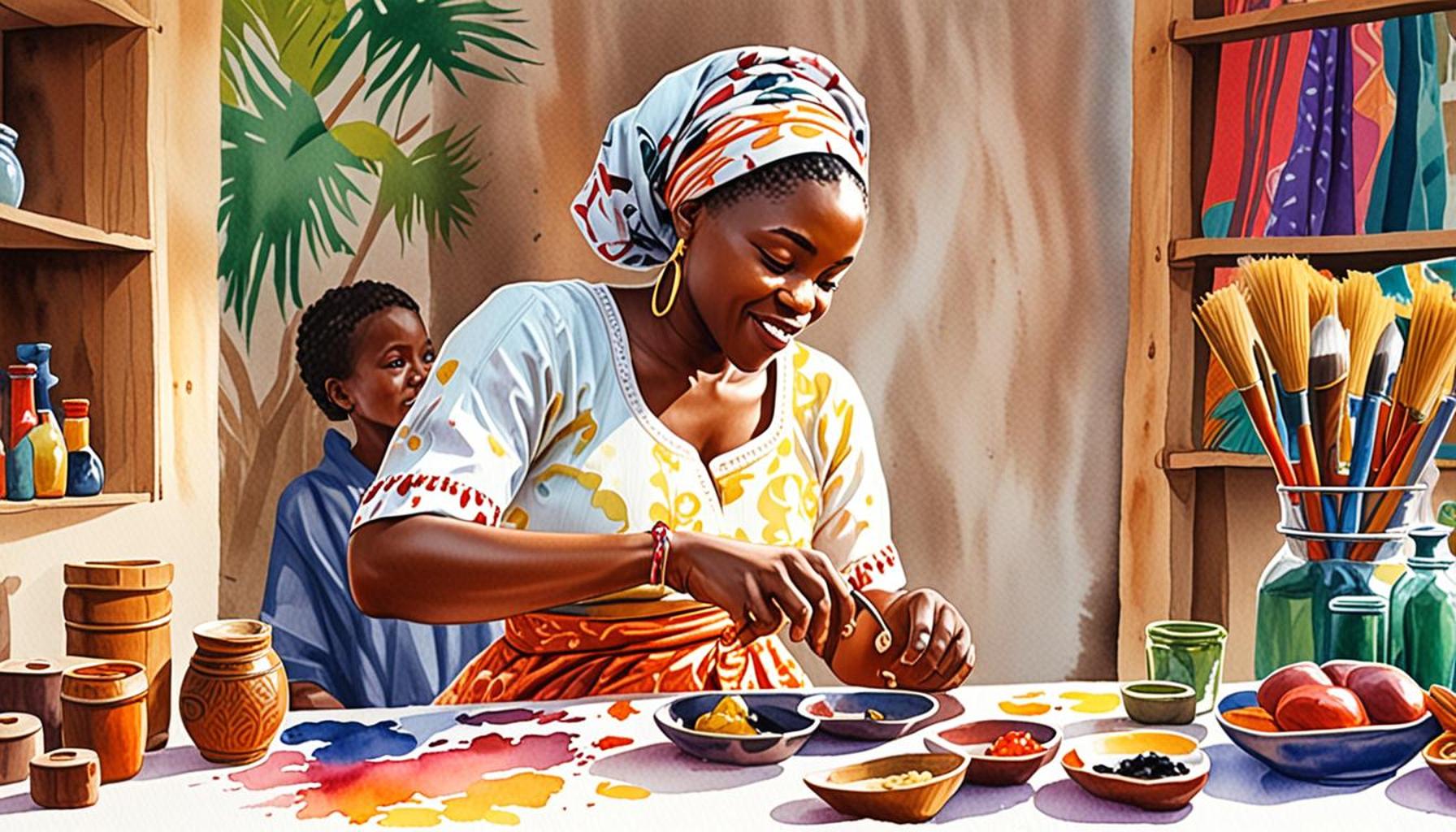
Across Nigeria, a burgeoning community of artisans and crafters is taking upcycling to new heights. By utilizing locally sourced materials, they showcase the diverse culture inherent in Nigerian craftsmanship. From vibrant market bags made of discarded fabrics to intricately carved wooden sculptures from reclaimed wood, these artisans not only demonstrate creativity but also promote sustainability. This movement fosters community spirit, inviting resource sharing and collaborative projects that empower individuals.
The journey of upcycling is not just a personal endeavor; it cultivates a sense of collective responsibility towards the environment. As you delve into this transformative practice, you’ll find that every small effort contributes to a larger movement that values sustainability and creativity. So, gather those unused items around your home and start your upcycling adventure. You may just uncover hidden treasures with a story waiting to be told.
LEARN MORE: This related article may interest you
Unleashing Creativity through Upcycling
At its core, upcycling is an exercise in creativity and innovation, transforming the mundane into the extraordinary. Everyday objects, which often go unnoticed in the hustle and bustle of life, possess the potential to emerge as one-of-a-kind craft pieces. The beauty of upcycling lies not only in the creative reinterpretation of these items but also in the stories they tell and the memories they evoke.
Common Items with Impressive Transformation Possibilities
Many items in our homes have latent potential, waiting for a creative touch. Here are some common objects and the innovative ways they can be upcycled:
- Coffee Cans: These seemingly ordinary containers can be embellished and repurposed into garden planters or unique storage solutions for office supplies.
- Old Furniture: A worn-out dresser can receive a facelift with a splash of paint and new hardware, evolving into a stylish statement piece or a functional bathroom vanity.
- Yarn Scraps: Leftover yarn from knitting projects can be braided or woven together to create beautiful wall hangings or coasters that add a personal touch to home décor.
- Broken Jewelry: With a bit of creativity, disassembled pieces of vintage jewelry can be reimagined into stunning home accents or one-of-a-kind adornments for special occasions.
In Nigeria, where creativity and resourcefulness thrive, upcycling is gaining traction among local artisans and craft enthusiasts. They are creatively altering common waste materials into functional art, breathing new life into what would typically be discarded. Not only does this activity promote sustainability, but it also nurtures a cultural exchange of ideas and techniques—highlighting the rich artistic heritage of Nigeria.
Empowering Communities through Upcycling
The impact of upcycling extends beyond mere aesthetics; it presents a powerful opportunity for community empowerment. Artisans and crafters are forming cooperatives that focus on upcycled goods, sharing knowledge and skills while raising awareness about environmental sustainability. These initiatives have led to:
- Job Creation: Upcycling businesses provide employment opportunities for skilled and unskilled workers alike, giving individuals a chance to contribute to their community.
- Skill Development: Workshops and classes aimed at teaching upcycling techniques not only empower individuals but also strengthen local economies.
- Environmental Advocacy: As upcycling becomes more mainstream, it fosters a dialogue about sustainability, encouraging a collective shift toward eco-friendly practices.
Intrigued? If you’re seeking to explore this rewarding journey of creativity and sustainability, consider starting with simple upcycled projects. Each endeavor pays homage to the value that lies within discarded items, paving the way for personal expression while promoting a larger movement toward environmental consciousness.
| Category | Description |
|---|---|
| Environmental Impact | Upcycling reduces waste by transforming discarded materials into functional art, minimizing landfill contributions. |
| Creative Expression | Unique craft pieces allow individuals to showcase their creativity, turning mundane items into beautiful, one-of-a-kind artworks. |
Embracing the art of upcycling not only contributes to a healthier planet but also fosters a profound sense of personal artistry. By reimagining common objects, such as glass jars or old furniture, individuals can whip up striking home decor or functional items. With the growing trend towards sustainable living, more people are drawn to the notion that every household item has the potential to be redefined and cherished anew.Moreover, diving into the upcycling world opens doors to endless learning opportunities. From attending local craft workshops to joining online communities, enthusiasts can enhance their skill set while networking with like-minded individuals. It’s a perfect blend of sustainability and creativity that fuels passion and inspires innovation, making everyday life just a bit more extraordinary. Discovering new techniques in upcycling not only sparks joy but also promotes a lifestyle centered around artistic engagement and environmental consciousness.
ADDITIONAL INSIGHTS: Expand your understanding here
The Sustainable Benefits of Upcycling
The rise of upcycling is not merely a trend; it’s a crucial response to the growing global challenge of waste management and environmental sustainability. With Nigeria grappling with issues of plastic pollution and increasing landfill sites, upcycling emerges as a beacon of hope. By creatively reimagining everyday items, we can significantly reduce waste while promoting a circular economy that embraces recycling and reuse.
Environmental Impact of Upcycling
Upcycling not only breathes new life into discarded materials but also offers substantial environmental benefits. The practice helps in:
- Reducing Landfill Waste: By upcycling, we divert items from landfill sites, mitigating the pressing issue of waste overflow that plagues many urban centers.
- Conserving Resources: Transforming old goods into new products diminishes the need for new raw materials, conserving valuable natural resources and energy in production processes.
- Lowering Carbon Footprint: Upcycling lessens the emissions associated with manufacturing and transporting new products. By giving old materials a second life, we contribute to a decrease in overall carbon output.
Moreover, as communities in Nigeria adopt upcycling, innovative solutions to environmental challenges are emerging. In cities like Lagos and Abuja, local artists and entrepreneurs are combining materials like discarded glass bottles and old tires to create unique furniture and decor pieces. This not only addresses waste management but also instills a sense of environmental responsibility among community members.
Upcycling as a Form of Artistic Expression
Beyond its ecological advantages, upcycling embodies a profound form of artistic expression. The world of upcycled crafts offers endless opportunities for artists to showcase creativity, emphasizing individuality and uniqueness in each piece. Here’s how:
- Personalization: Each upcycled creation often tells a personal story. For instance, turning an old wooden ladder into a bookshelf reflects the artisan’s narrative and aesthetic preferences.
- Fusion of Cultures: Upcycling encourages the blending of traditional and contemporary designs, exemplified by artisans who incorporate traditional Nigerian motifs into upcycled textiles, thus preserving cultural heritage while appealing to modern tastes.
- Empowerment through Art: Crafting upcycled goods fills artisans with a sense of purpose and accomplishment. By showcasing their works through local markets or online platforms, they not only find personal fulfillment but also inspire others to pursue sustainable practices.
Initiatives such as art fairs and exhibitions centered on upcycled crafts are gaining popularity, creating vibrant platforms for artisans in Nigeria to present their work. These events also generate awareness about the importance of sustainability in art, encouraging others to explore the creative reuse of materials.
The Future of Upcycling in Nigeria
The future of upcycling in Nigeria is brimming with potential. As more individuals become aware of the environmental, economic, and artistic benefits associated with upcycling, a cultural shift towards conservation and creativity is emerging. Schools and community groups are incorporating upcycling projects into educational curriculums, fostering a new generation that values sustainability.
Furthermore, collaborations among local businesses and artisans are paving the way for innovative upcycled product lines, blending traditional craftsmanship with modern designs. This fusion not only caters to local and international markets but also highlights Nigeria’s rich cultural tapestry.
As we continue to explore the depths of upcycling, the movement stands as a testament to human creativity and resilience, inviting everyone to participate in crafting a more sustainable, eco-conscious future.
CHECK OUT: Click here to explore more
Conclusion: Crafting a Sustainable Future through Upcycling
The journey through the art of upcycling reveals more than just creative transformations; it showcases a vital pathway towards sustainability and cultural expression. In Nigeria, where waste management poses significant challenges, the act of upcycling serves as an innovative solution. By repurposing everyday objects, we not only address pressing environmental issues but also foster a vibrant community of artisans dedicated to sustainability.
Embracing upcycling empowers individuals to creatively contribute to reducing waste, thus paving the way for a more sustainable future. Driven by originality, personal storytelling, and cultural heritage, each upcycled piece bears unique significance, reflecting the artisan’s vision and life experiences. This artistic endeavor not only enriches the individual’s creativity but also cultivates a stronger sense of community as more people engage in responsible practices.
As the upcycling movement gains momentum, initiatives and educational programs are crucial. By integrating upcycling into school curriculums and community workshops, Nigeria can nurture a new generation that values creativity, environmental stewardship, and cultural preservation. The fusion of traditional craftsmanship with modern design can lead to products that resonate on both local and international levels, showcasing Nigeria’s rich cultural tapestry.
In conclusion, upcycling is not just an art form; it is a testament to resilience and resourcefulness. As we continue to inspire one another to reimagine the potential of discarded materials, we can pave the way toward a greener, more sustainable world. Let us embrace the art of upcycling and actively participate in transforming our everyday objects into lasting legacies.