The Influence of Colors and Patterns in Nigerian Fashion as a Form of Artistic Expression
The Language of Colors in Clothing
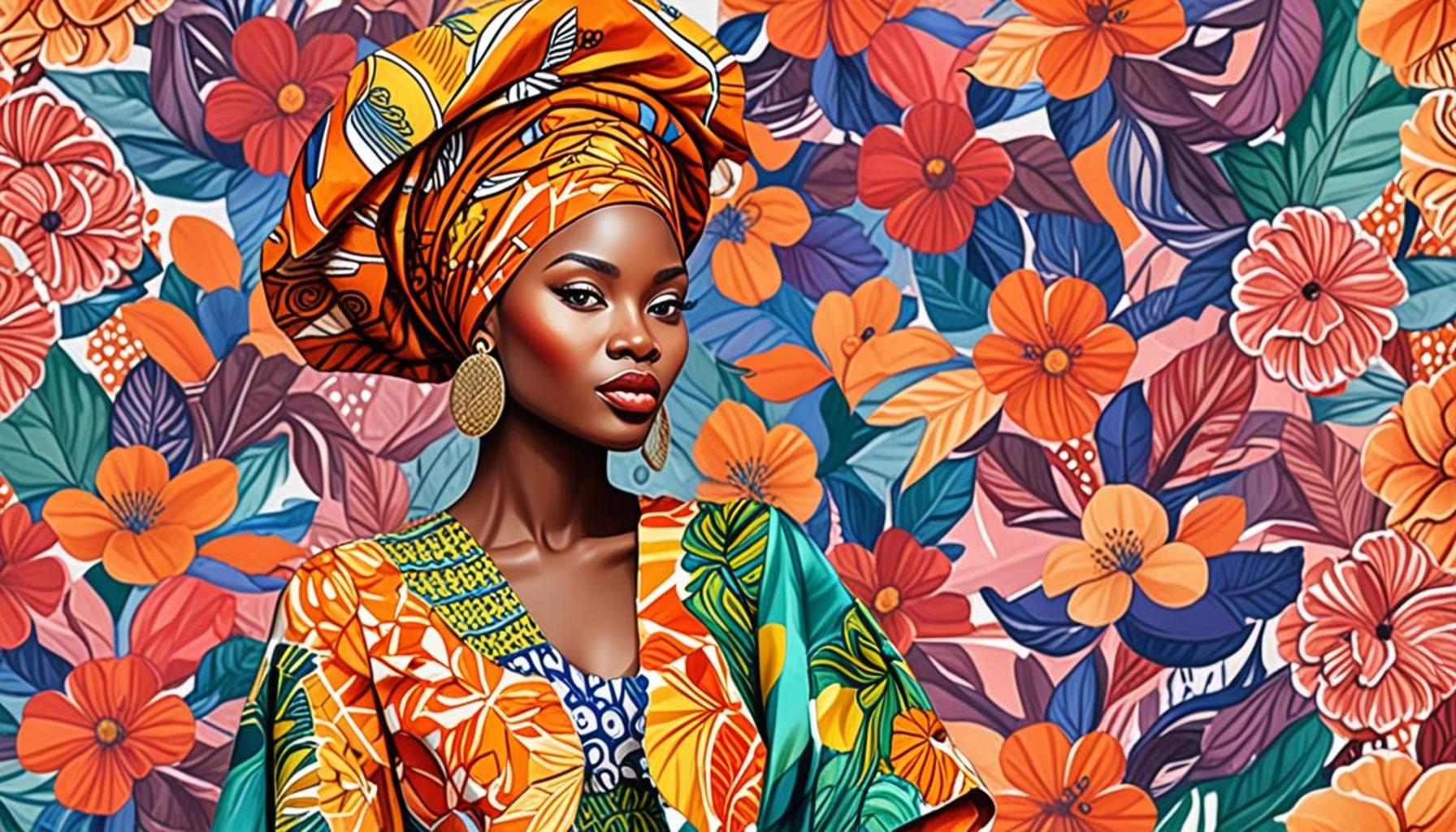
Colors and patterns in Nigerian fashion are not just visual aesthetics; they are a dynamic form of artistic expression. Each hue and design carries a story, revealing the rich cultural heritage and identity of diverse ethnic groups across the nation. For instance, in the vibrant shades of Ankara fabric, one can often find motifs that tell tales of fertility, prosperity, and community. The bright oranges, deep blues, and radiant yellows are not purely decorative; they play a crucial role in conveying social meanings and historical narratives.
Aso Oke: The Tapestry of Tradition
Among the numerous fabrics that characterize Nigerian fashion, Aso Oke stands out with its intricate craftsmanship and intricate weaving techniques. Initially worn by the Yoruba nobility, this fabric is often showcased during important ceremonies such as weddings and chieftaincy rites. The patterns found in Aso Oke often symbolize not just personal identities, but also serve as a connection to history and lineage. For example, a bride might wear specific Aso Oke styles that represent her family’s heritage, showcasing her cultural roots while stepping into a new chapter of life.
The Role of Symbolism
In Nigerian fashion, colors can signify spirituality, status, or even emotions in a profound way. For instance, white, often associated with purity in traditional contexts, is predominant at ceremonies honoring the deceased, symbolizing the transition from life to the afterlife. In contrast, red is frequently linked to joy and celebration, making it a popular choice for weddings and festive occasions. These associations highlight how colors operate as a form of communication, negotiating relationships and social structures within various Nigerian societies.
Cultural Identity Through Patterns
Different ethnic groups utilize unique patterns to express their history and customs. The Igbo, for instance, have traditional attire featuring Isi Agu, a design that carries significance in showcasing social rank and heritage. Similarly, the Eyo festival in Lagos features outfits that honor history and lineage, prominently displaying patterns that have been passed down through generations. These rich traditions fuse with modern interpretations in contemporary Nigerian fashion, leading to exciting innovations.
Fashion as a Cultural Celebration
Fashion plays a vital role in weddings, festivals, and other ceremonies, making colors and patterns central to these experiences. During events like the Osun-Osogbo Festival, participants don elaborate outfits that demonstrate their community ties and respect for cultural traditions. Many Nigerian designers today understand this fervor and incorporate these traditional elements while adding their modern twist, thus bridging the gap between past and present.
As the global fashion scene evolves, Nigerian designers are increasingly gaining recognition for their innovative use of colors and patterns. The integration of traditional motifs with contemporary designs has garnered international attention. For example, brands like Orange Culture and Tifanny’s are renowned for merging vibrant Nigerian aesthetics with global fashion trends, creating a niche that resonates deeply with both local and international audiences. This shift leads to a fascinating interplay of traditional practices and modern trends, positioning Nigerian fashion as a pivotal player in the broader artistic landscape.
Understanding this influence can ignite interest in the patterns that define not just clothing, but the very essence of Nigeria’s cultural tapestry. As one delves deeper into the world of Nigerian fashion, it becomes clear that each fabric, pattern, and color tells a story far beyond mere cloth—it articulates a vibrant testament to a nation steeped in history and resilience.
YOU MAY ALSO LIKE: Read read another article
The Vibrancy of Nigerian Textiles
Nigerian fashion is a vivid reflection of the nation’s diverse culture, where colors and patterns converge to create an expressive form of art. The textiles produced in Nigeria—ranging from Ankara to Batik—do not merely serve practical purposes; they are imbued with deep sociocultural meanings that can evoke emotions and represent community ties. The artistic expression found in these fabrics is a powerful medium for storytelling, identity, and continuity across generations.
A Rich Mosaic of Textiles
The variety of textiles in Nigeria allows for an endless exploration of color and form. Here are some notable textiles that influence Nigerian fashion:
- Ankara: Known for its vibrant prints, Ankara fabric is a staple that encapsulates the essence of modern Nigerian style, often used to create contemporary outfits that resonate globally.
- Batik: Originally from Indonesia, Batik has been embraced in Nigeria, characterized by its intricate hand-dyeing processes that result in stunning hues and designs, often used for elaborate dresses.
- Aso Oke: A traditional handwoven fabric of the Yoruba people, Aso Oke features intricate designs and is typically worn during significant cultural celebrations, blending historic tradition with modern fashion.
The Color Palette of Nigerian Culture
Colors in Nigerian fashion are more than decorative; they serve as a cultural lexicon. For example, the brilliant red often signifies vitality and celebration, making it a preferred choice for joyous occasions such as weddings. Conversely, the soothing tones of green resonate with nature and harmony, reflecting the nation’s deep agricultural roots. The blend of these colors—each symbolizing a facet of life—allows designers to compose garments that convey specific narratives. The juxtaposition of bright colors with subtle tones creates a visually striking contrast that is both eye-catching and meaningful.
Patterns as Narratives
Patterns play an instrumental role in linking contemporary society with historical narratives. Each ethnic group in Nigeria boasts unique patterns that signify cultural heritage. The Ibo patterns often contain geometric designs that reflect the community’s connection to the earth, while Fulani motifs may feature intricate embroidery symbolizing their nomadic lifestyle. By wearing these patterns, individuals pay homage to their roots, reaffirming their identity within a modern context. Over time, these traditional patterns are being innovatively reinterpreted by contemporary designers, who blend ancestral motifs with modern cuts and styles, thereby creating an engaging dialogue between past and present.
The global fashion circuit is increasingly witnessing the impact of Nigerian colors and patterns, with flashes of vibrant fabrics captivating international audiences. This influence highlights how artistic expression in Nigerian fashion is not merely a trend but a significant movement that celebrates culture, identity, and creativity. As more designers emerge from Nigeria, the emphasis on colors and patterns as forms of artistic expression continues to shape the landscape of global fashion, inviting viewers to explore the stories behind each garment.
The Role of Cultural Significance in Color Choices
Color in Nigerian fashion transcends mere aesthetic appeal; it holds deep cultural significance. Each hue often carries symbolic meanings that resonate with the wearer’s identity, traditions, and community. For instance, the vibrant red in fabrics may represent strength and courage, while green often symbolizes prosperity and growth. These colors are not just chosen at random; they are steeped in the narratives of local tribes and ethnic groups, enhancing the stories told through attire. Moreover, patterns also play a critical role in artistic expression. Traditional motifs such as Adire and Kente fabrics feature complex designs that are often derived from the environment or ancestral tales. Each pattern tells its own story, reflecting the heritage of the wearer and serving as a visual celebration of communal values. This interplay of colors and patterns contributes to a rich tapestry of cultural identity that evolves while retaining its essence.
Nurturing the Next Generation of Designers
As the Nigerian fashion scene continues to flourish, the influence of colors and patterns is evident in the creativity of emerging designers. Young talents are keenly aware of the global fashion dynamics while staying connected to their roots. The current trend showcases a fusion of traditional and contemporary styles, where local prints meet modern silhouettes. Exposure to international platforms offers Nigerian designers an opportunity to showcase their unique expressions through color and patterns. Events like Lagos Fashion Week highlight the importance of incorporating indigenous craftsmanship with a cutting-edge approach, bringing Nigerian artistic expression to a wider audience. The synergy between global trends and local heritage fuels innovation, inviting further exploration into how colors and patterns serve as both a reflection of past influences and a cue for future developments in fashion.
| Category | Details |
|---|---|
| Cultural Significance of Colors | Represents identity and tradition, with colors holding specific meanings. |
| Impact of Patterns | Reflects heritage and tells stories through traditional designs. |
| Modern Interpretations | Young designers blend heritage with contemporary trends, innovating styles. |
RECOMMENDED: Check out this similar article
The Cultural Significance of Color and Pattern
The significance of colors and patterns in Nigerian fashion transcends aesthetics; they embody historical and sociopolitical narratives pivotal to understanding the nation’s diverse cultures. Each color holds profound meaning, often linked to events, emotions, and social status. For instance, yellow symbolizes wealth and prosperity, frequently seen in attire for formal gatherings and ceremonies, while blue is associated with tranquility and wisdom. This intentional use of color creates a visual language that communicates intangible cultural values.
The Intersection of Fashion and Identity
Nigerian fashion serves as a canvas for identity expression. The use of patterns, especially traditional ones, enables wearers to showcase their ethnic backgrounds and personal narratives. For example, the Adire style from the southwestern part of Nigeria utilizes indigo dye and batik techniques, resulting in unique patterns that speak of community and resilience. As many young Nigerians don these textiles, they become living representations of their heritage, solidifying their connection to the past while engaging in contemporary styles. This identity positioning is profound, particularly in Nigeria’s urban areas, where a blend of global and local influences is prevalent.
Reviving Traditional Techniques
Another dimension of Nigerian fashion’s artistic expression is the revival of traditional textile-making techniques. As designers pursue sustainability, they often turn back to indigenous methods to create eco-friendly pieces that celebrate cultural craftsmanship. The resurgence of handwoven fabrics like Aso Oke and the intricate beadwork seen in various designs emphasize the value of heritage while meeting modern aesthetic demands. Initiatives like the African Fashion Week Lagos have brought such techniques to the forefront, educating fashion enthusiasts about the depth of Nigeria’s textile artistry.
Global Recognition and Cultural Exchange
The global fashion community is increasingly recognizing the vibrancy of Nigerian colors and patterns. Events such as the Lagos Fashion Week showcase designs that challenge conventional Western beauty standards by celebrating bold hues and intricate detailing. This has led to collaborations between Nigerian designers and international fashion houses, creating a dynamic cultural exchange that enriches the global fashion landscape. Through social media platforms, Nigerian designers are reaching audiences across the world, redefining fashion norms and introducing audiences to the stories that colors and patterns convey.
Moreover, the influence of colors and patterns in Nigerian fashion extends to the realm of art and design education. Institutions are now incorporating traditional textile techniques and cultural significance into their curricula, fostering a new generation of designers who appreciate the way in which colors and patterns symbolize pride and continuity. This educational focus ensures that the stories embedded within Nigerian fashion are preserved and celebrated, creating a legacy that will inspire future creative expressions.
As the world continues to embrace the richness of Nigerian textiles, the articulation of culture through colors and patterns grows more pronounced. Each piece tells a story, a slice of history, and a flourish of creativity that invites both local and international audiences to engage with the beauty of Nigerian fashion as an artistic expression.
CHECK OUT: Click here to explore more
Conclusion
The journey through the vibrant world of Nigerian fashion reveals a rich tapestry woven with colors and patterns that serve not only as visual stimuli but as deep reservoirs of cultural expression. Each hue and design carries stories of heritage, identity, and a connection to history that resonates with wearers and observers alike. In an era where globalization often threatens individuality, Nigerian fashion stands out as a powerful declaration of the nation’s multifaceted identity.
The interplay of traditional craftsmanship with contemporary sustainability practices has led to a renaissance in local textiles, emphasizing the importance of reviving time-honored techniques such as Aso Oke and Adire. As Nigeria’s designers gain global recognition, they challenge established notions of beauty and fashion, creating a platform for cultural exchange that enriches not just Nigerian society, but the global fashion landscape as a whole.
Moreover, the integration of these elements into educational curriculums ensures future generations appreciate and nurture the artistic heritage embedded in color and pattern. By celebrating these aspects, Nigerian fashion conveys powerful narratives that urge us all to reflect on our histories and identities.
As we continue to explore and embrace the profound influence of colors and patterns in Nigerian fashion, we invite further inquiry and appreciation. Discover the stories behind each intricate design, and let the artistic expressions of this nation inspire a newfound respect for cultural diversity in fashion worldwide.