The Influence of Digital Art on the New Generation of Nigerian Artists
Transformative Art Movement in Nigeria
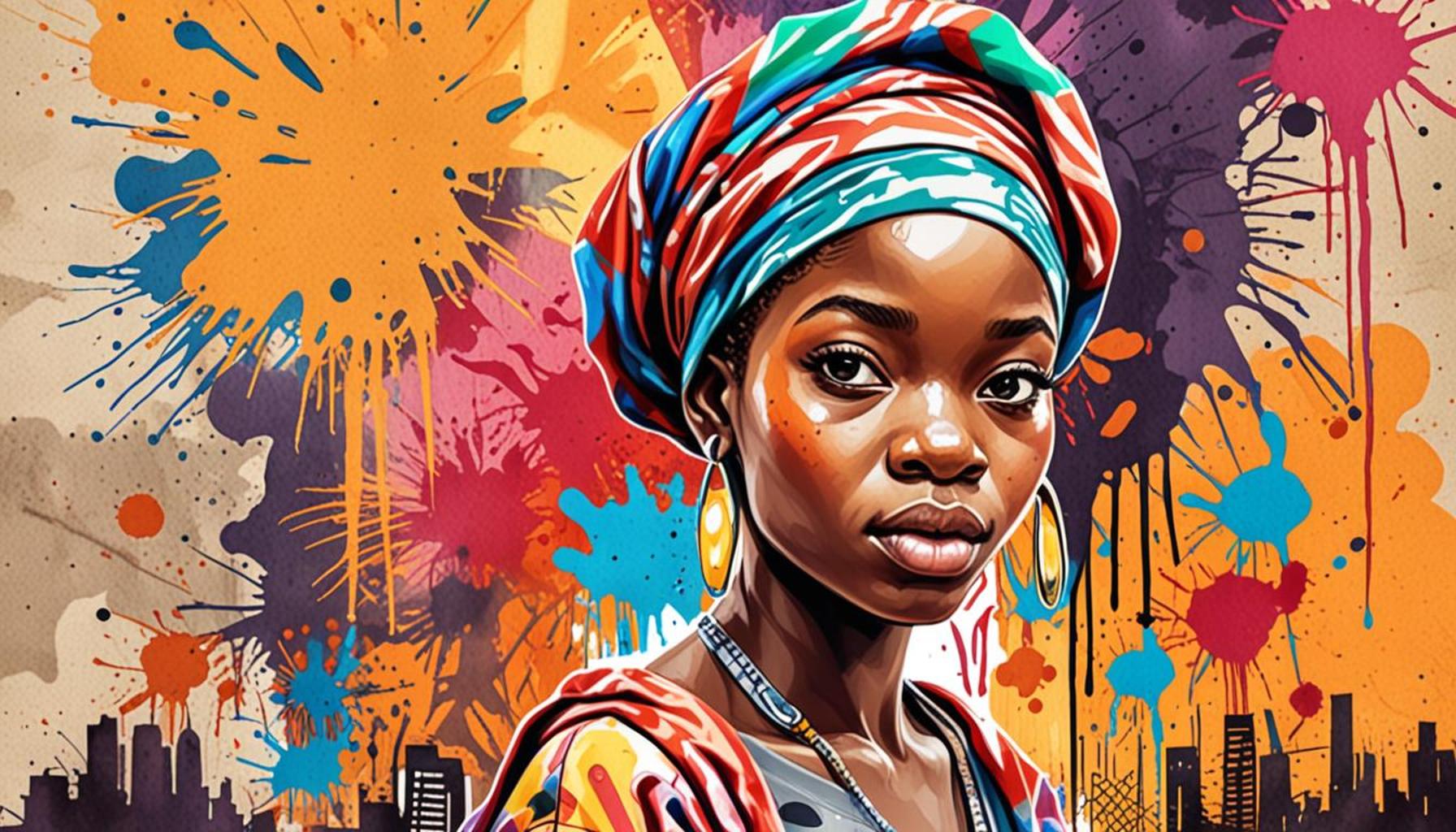
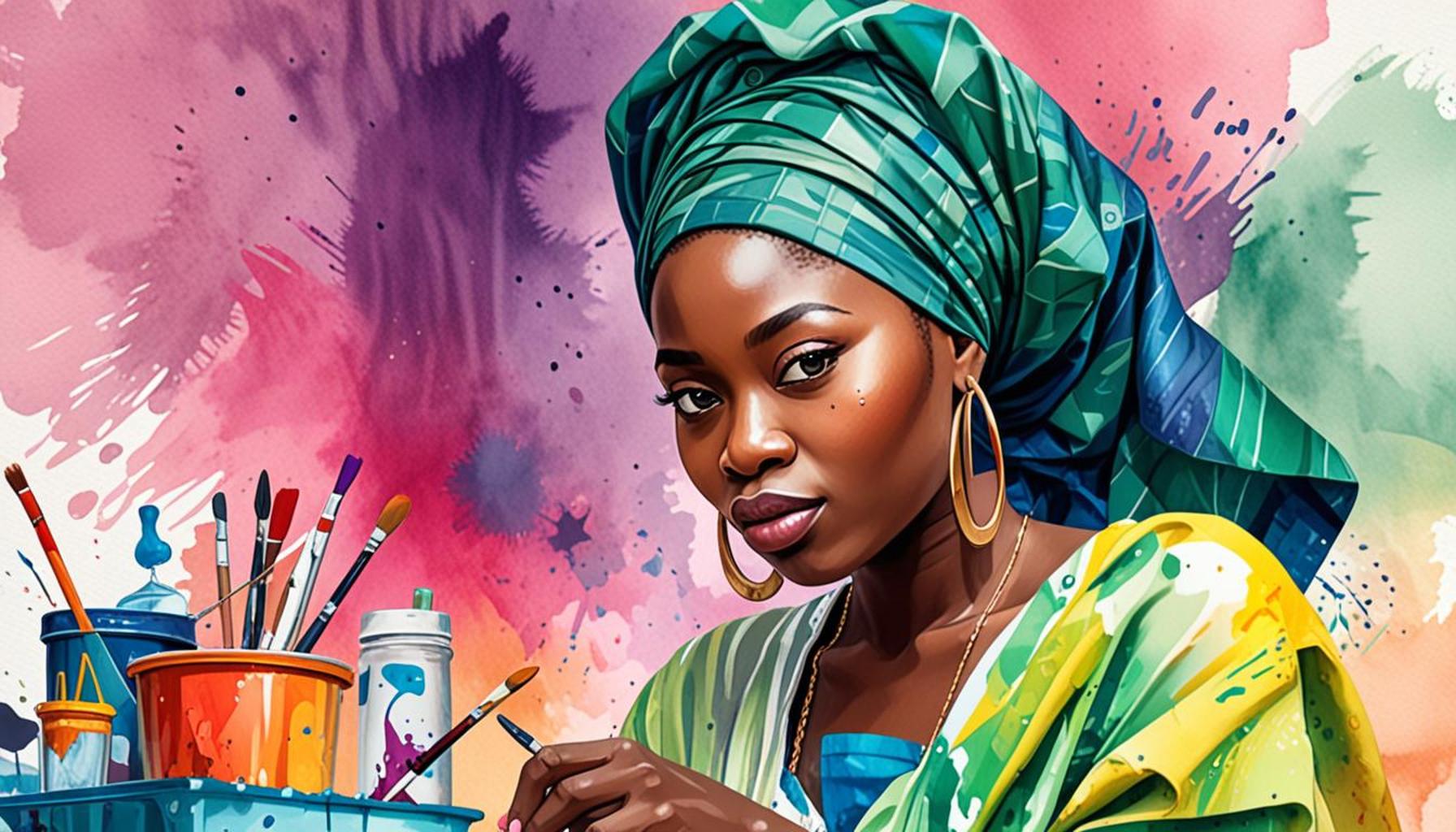
The landscape of art in Nigeria is undergoing a transformative revolution, fueled by the rise of digital art. This new medium has become a powerful tool for self-expression, enabling young Nigerian artists to push the boundaries of creativity. As traditional methods meet modern technology, a unique fusion is emerging, captivating both local and global audiences.
Several key factors contribute to this artistic renaissance, significantly altering how art is created, disseminated, and perceived in Nigeria:
- Accessibility of Technology: The increasing affordability and widespread availability of smartphones and computers allow artists to create and showcase their work from virtually anywhere. This accessibility has democratized art creation, enabling artists from various socio-economic backgrounds to share their talents without the constraints of traditional galleries.
- Social Media Platforms: Platforms like Instagram and Twitter have become digital galleries, where visual art can be displayed and discovered without geographical limitations. The immediate feedback from followers and potential buyers accelerates engagement, leading to enhanced visibility for artists such as Osinachi, whose vibrant digital expressions have attracted international attention.
- Cultural Influences: The fusion of indigenous themes with contemporary designs creates a rich tapestry reflecting Nigeria’s diverse heritage. Visual artists are now incorporating elements from various cultures and communities, such as the bold colors of the Yoruba tradition or the intricate patterns found in traditional Igbo attire, enriching their digital creations.
Today’s young artists, influenced by societal challenges and global trends, are utilizing digital tools to address crucial issues. Their art often transcends mere aesthetics, delving into meaningful themes such as:
- Sustainability and Climate Awareness: Many artists are embracing themes of environmental conservation, raising awareness about climate change through visually striking pieces. For instance, works portraying the devastating effects of deforestation in the Niger Delta are becoming increasingly prevalent.
- Gender Equality: Several emerging female artists, such as Zina Saro-Wiwa, are using digital platforms to highlight gender disparities and advocate for women’s rights. Their art challenges norms and engages viewers in critical conversations about equality.
- Social Justice Movements: Inspired by movements like #EndSARS, artists are creatively addressing social injustices and human rights violations in Nigeria. Through provocative illustrations and animations, they foster discourse, urging viewers to reflect on their civic responsibilities and push for change.
This combination of creativity and activism showcases the dynamic role of the new generation of Nigerian artists. Their work not only reflects their experiences but also challenges traditional perceptions of art in a rapidly evolving digital age. Artists are crafting narratives that resonate deeply with their communities, sparking dialogue, and creating a sense of unity among diverse populations.
As the art community continues to flourish, it is essential for both local and international audiences to recognize and support these emerging talents. The future of art in Nigeria holds great promise, as the synergy between traditional sensibilities and modern technologies paves the way for a new era of expression that is both visually stunning and socially relevant.
CHECK OUT: Click here to explore more
Embracing Technological Change
The integration of digital art into the Nigerian creative landscape has revolutionized the way artists conceptualize and produce their work. For many young artists, the transition from traditional canvases to digital screens has not only enhanced their artistic capabilities but has also broadened the horizons of their influence. Digital tools offer a plethora of capabilities that traditional media simply cannot match, leading to an explosion of innovation within the Nigerian art scene.
Artists are now leveraging powerful software and applications, such as Adobe Creative Suite and Procreate, to create intricate digital masterpieces. This technological shift has made it possible for artists to experiment with diverse styles and techniques, spurring an endless exploration of creativity. As a result, many Nigerian artists are producing visually arresting works that echo contemporary themes while still resonating with deeply rooted cultural narratives.
One of the most significant consequences of this digital transformation is the ability to reach audiences beyond local borders. Artists like Timi Adebayo and <strongOsinachi showcase their work on international platforms, where they gain recognition and attract patrons, expanding their networks significantly. This global reach not only helps them gain exposure but also encourages cultural exchange, allowing for the fusion of global art influences with indigenous styles.
Changing Perceptions of Art
Moreover, the rise of digital art has shifted how art is perceived in Nigerian society. Traditionally, art has been categorized simply into the ‘fine art’ and ‘craft’ dichotomy. However, the dynamism of digital art challenges these classifications, pushing audiences to reconsider what constitutes ‘art’. This democratization encourages discussions around the value and purpose of art in contemporary society.
Young Nigerian artists utilize digital platforms to convey potent messages and engage with pressing societal issues. Here are a few ways in which they are redefining art:
- Interactive Installations: By harnessing digital technologies, artists are creating interactive installations that invite viewers to engage actively. For example, virtual reality (VR) experiences allow participants to immerse themselves in narratives that address socio-political themes.
- Augmented Reality: Digital artists employ augmented reality (AR) to enhance street art and public installations. QR codes linked to digital galleries can transform public art into an interactive experience, drawing viewers into the artist’s world.
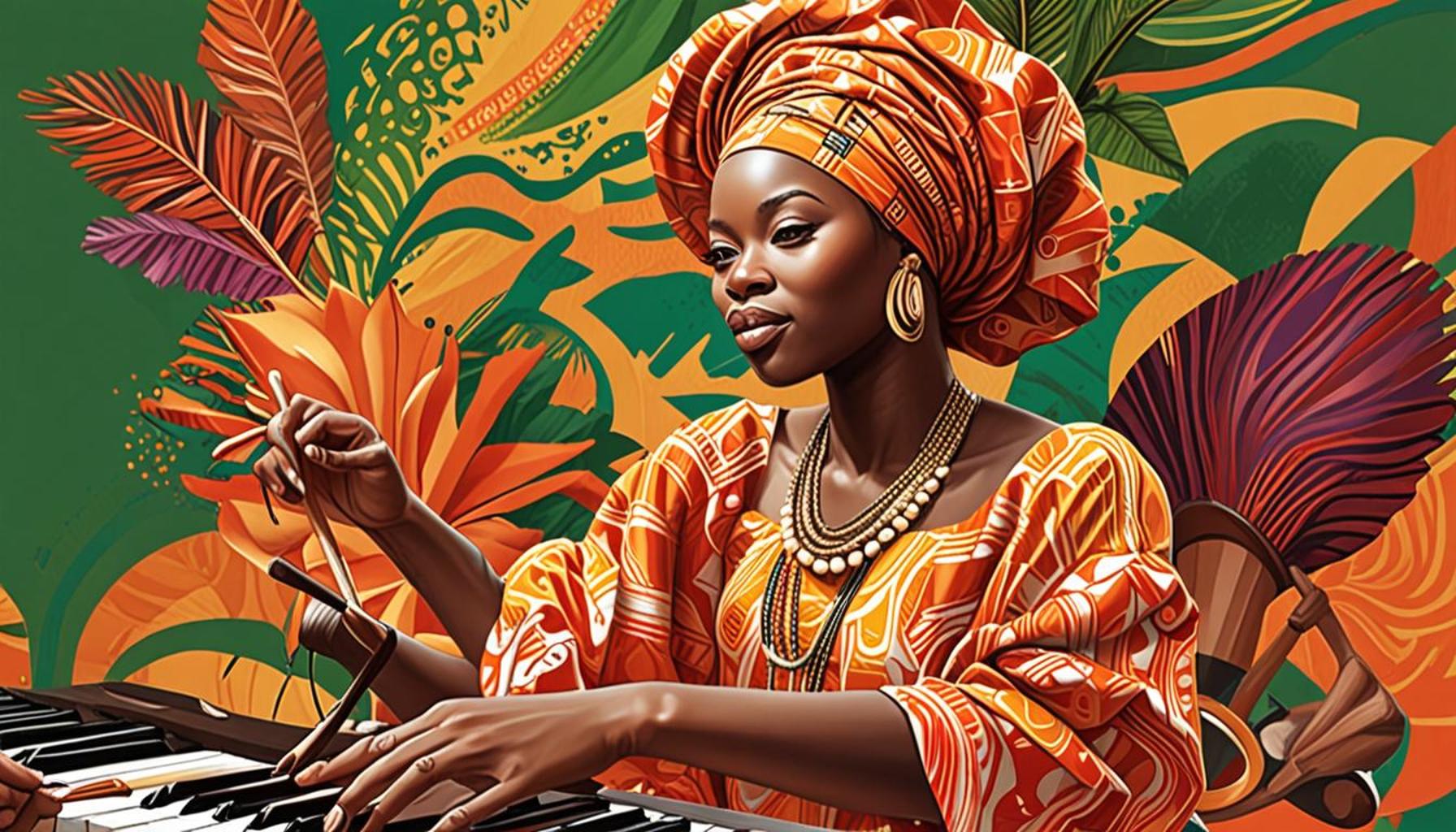
- Collaboration with Other Disciplines: The boundaries between disciplines are blurring; artists are collaborating with musicians, fashion designers, and technologists to develop innovative works that can bridge multiple forms of expression and communication.
This bold use of technology not only reflects the evolving landscape of art in Nigeria but also emphasizes the growing importance of digital literacy among artists. As the younger generation embraces these new tools, they cultivate a culture of adaptability and forward-thinking that can redefine the boundaries of artistic expression.
In the wake of these changes, it becomes imperative to recognize how the influence of digital art shapes not only individual artists but also the future trajectory of the Nigerian art scene as a whole. The synergy between technology and creativity heralds a new chapter, one filled with opportunities for expression, advocacy, and change in the culturally rich fabric of Nigeria.
| Advantages | Impact on Artists |
|---|---|
| Accessibility to Tools | Digital platforms allow artists to access a wide range of tools and software that enhance creativity. |
| Global Exposure | Digital art enables Nigerian artists to showcase their work globally, connecting with diverse audiences. |
| Community Building | Online communities foster collaboration and feedback among emerging artists. |
| Marketing Opportunities | Social media provides valuable marketing channels for artists to sell and promote their work. |
Among the significant shifts witnessed in the Nigerian art scene is the rapid adoption of digital art. This transformation stands as a testament to how technology influences the young generation of Nigerian artists in various ways. Firstly, the accessibility to advanced tools such as tablets and graphic design software is crucial. These tools allow new artists to explore a plethora of techniques that traditional methods may not easily provide. In addition, the barrier of entry for aspiring artists has lowered, making contemporary art creation more accessible than ever.Moreover, the significant aspect of global exposure cannot be overstated. With platforms like Instagram and Behance, Nigerian artists can connect directly with international audiences and art collectors. This exposure not only helps them gain recognition but also enables them to draw inspiration from global trends while preserving their unique cultural identity. Through these digital platforms, they share their stories, styles, and perspectives that reflect their heritage and experiences. This blend of traditional themes with contemporary digital practices is creating a unique fusion that characterizes the new generation of Nigerian artists, further enriching the global art narrative. The ongoing dialogue between traditional and digital art forms is an evolving narrative worth exploring deeply.
RECOMMENDED: Check out this similar article
Community and Connectivity through Digital Art
In an era where digital connectivity is at an all-time high, the role of social media in promoting digital art cannot be overstated. Platforms like Instagram, Twitter, and TikTok have emerged as vital tools through which Nigerian artists share their work and connect with audiences both locally and internationally. This has allowed for a more immediate feedback loop, where artists can gauge reactions and adapt their work accordingly. The immediacy of digital platforms fosters a sense of community among artists and their followers, breaking down traditional barriers associated with the art world.
Moreover, this surge in online presence has led to the emergence of virtual art collectives and communities. Initiatives such as Art Twenty One and Nigeria’s Art Community curate exhibitions and promote local talent, enabling artists to collaborate on projects that amplify their voices. These digital collectives encourage dialogues around shared experiences and challenges, often relating to cultural heritage and identity, as they bridge the gap between digital and traditional artistic practices.
Through these collaborative efforts, younger artists can explore and experiment with digital storytelling. Utilizing multimedia tools, they can weave together narrative threads that resonate with younger generations. For instance, artists like Temitayo Ogunbiyi employ animation and video art to recount folklore and historical events, presenting them in a format that speaks to contemporary viewers. This creative narrative approach allows for a rebirth of cultural tales, ensuring that they remain relevant in today’s fast-paced digital context.
Economic Opportunities and Entrepreneurship
The embrace of digital art is also catalyzing economic opportunities for Nigerian artists. The potential for monetization has expanded significantly, with various platforms allowing for the sale of digital art as prints, original downloads, and even non-fungible tokens (NFTs). Artists can now create digital copies of their work that are verifiably unique, opening up new revenue streams that were previously unattainable within traditional art markets.
Local events and festivals, such as the annual Art Summit Nigeria, now incorporate digital showcases and workshops, imparting essential skills to emerging artists. This kind of engagement with industry professionals not only enhances artistic skill sets but also provides insights into the business side of art—marketing, branding, and selling art in a digital age. The robust participation of female artists in these digital platforms is notable as well, exemplifying a shift towards inclusivity and diverse representation in the Nigerian art scene.
Furthermore, artists are utilizing crowdfunding platforms like Kickstarter to finance their projects, allowing for greater freedom in their creative endeavors. This level of financial independence is fragmenting the historical reliance on galleries and exhibitions, marking a shift towards a more democratized model of art consumption and promotion.
As Nigerian artists navigate this rapidly evolving digital landscape, their ability to harness these technologies is crucial. With every innovation, they are redefining not only their own artistic practices but also what art means within a broader cultural and societal context.
ADDITIONAL INSIGHTS: Expand your understanding here
Conclusion
The digital art revolution is undeniably reshaping the landscape for the new generation of Nigerian artists. By harnessing technology, these creative individuals are not only redefining their artistic expressions but are also crafting novel narratives that resonate with their culture and heritage. The rise of social media platforms has democratized art appreciation, allowing artists to establish connections that transcend geographical boundaries, leading to a more interconnected and vibrant art community.
This digital renaissance provides invaluable economic opportunities as well, enabling artists to monetize their work through innovative platforms like NFTs and crowdfunding. Such avenues reinforce the notion that art can thrive outside the traditional brick-and-mortar galleries, encouraging a more diverse representation and inclusivity within the art scene. Initiatives like the Art Summit Nigeria and various virtual collectives exemplify the collective strength of artists coming together to foster growth and collaboration.
As Nigeria’s digital landscape continues to evolve, the intersection of culture, technology, and creativity will yield exciting possibilities for future artists. The fusion of traditional elements with cutting-edge digital techniques presents unique storytelling methods that keep cultural narratives alive and relevant. Ultimately, the new generation of Nigerian artists stands at the forefront of a transformative era, and their ability to embrace these changes will undoubtedly shape the future of art within Nigeria and beyond.