The Influence of Traditional Nigerian Music on Modern Musical Activities
Exploring the Rich Melodies of Nigeria
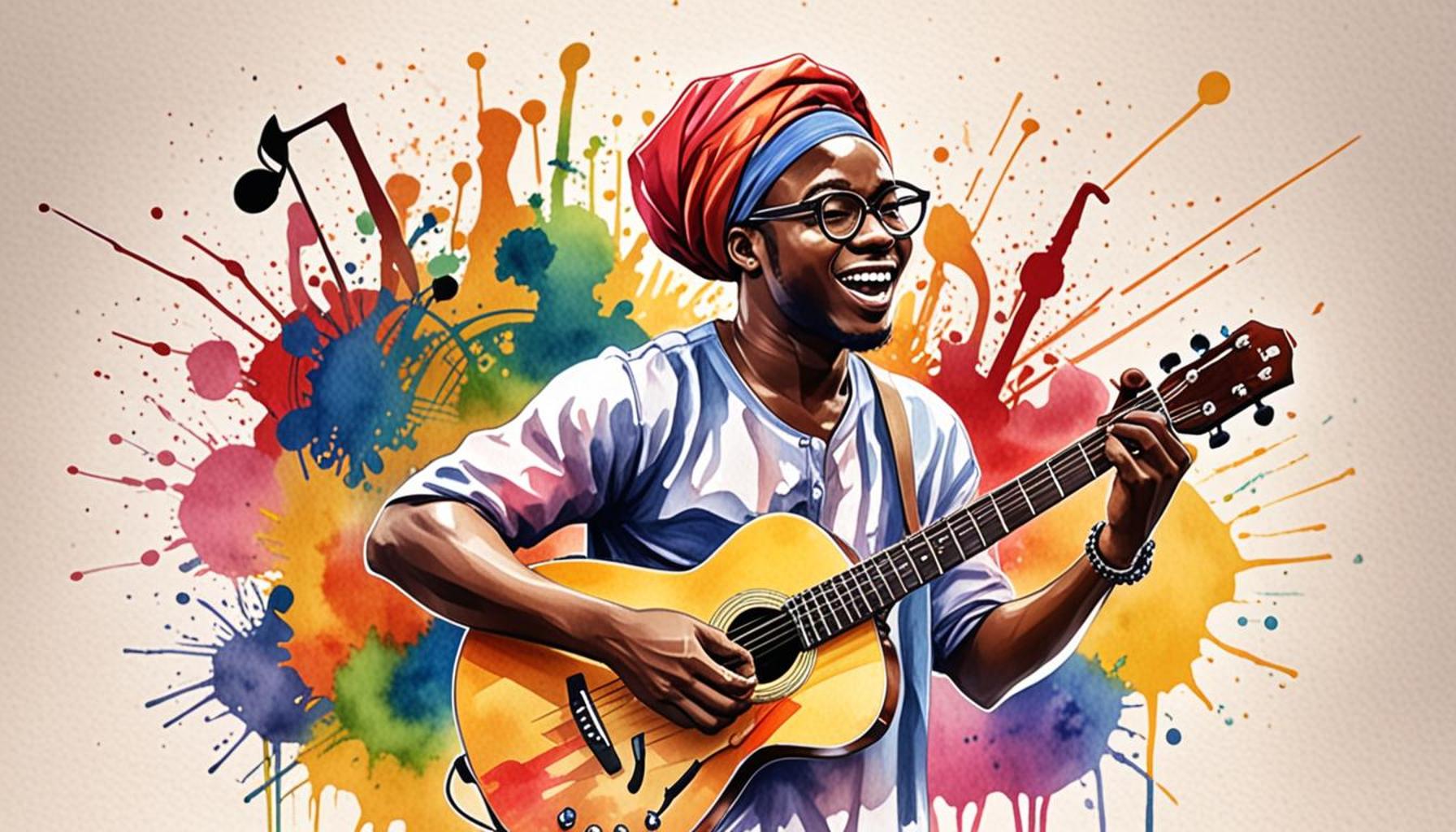
Traditional Nigerian music is a profound art form that has shaped the cultural landscape of the nation for centuries. It transcends mere entertainment, serving as a vital cultural narrative that preserves history, tells stories, and fosters community bonds. From the pulsating rhythms of the drums to the soulful stories woven through song, the music of Nigeria is an essential part of its identity. Today, the rich heritage of traditional music can be seen resonating through various modern musical activities, providing a foundation for new genres while celebrating longstanding traditions.
The Elements of Traditional Influence
Several key aspects of traditional Nigerian music continue to impact contemporary sounds:
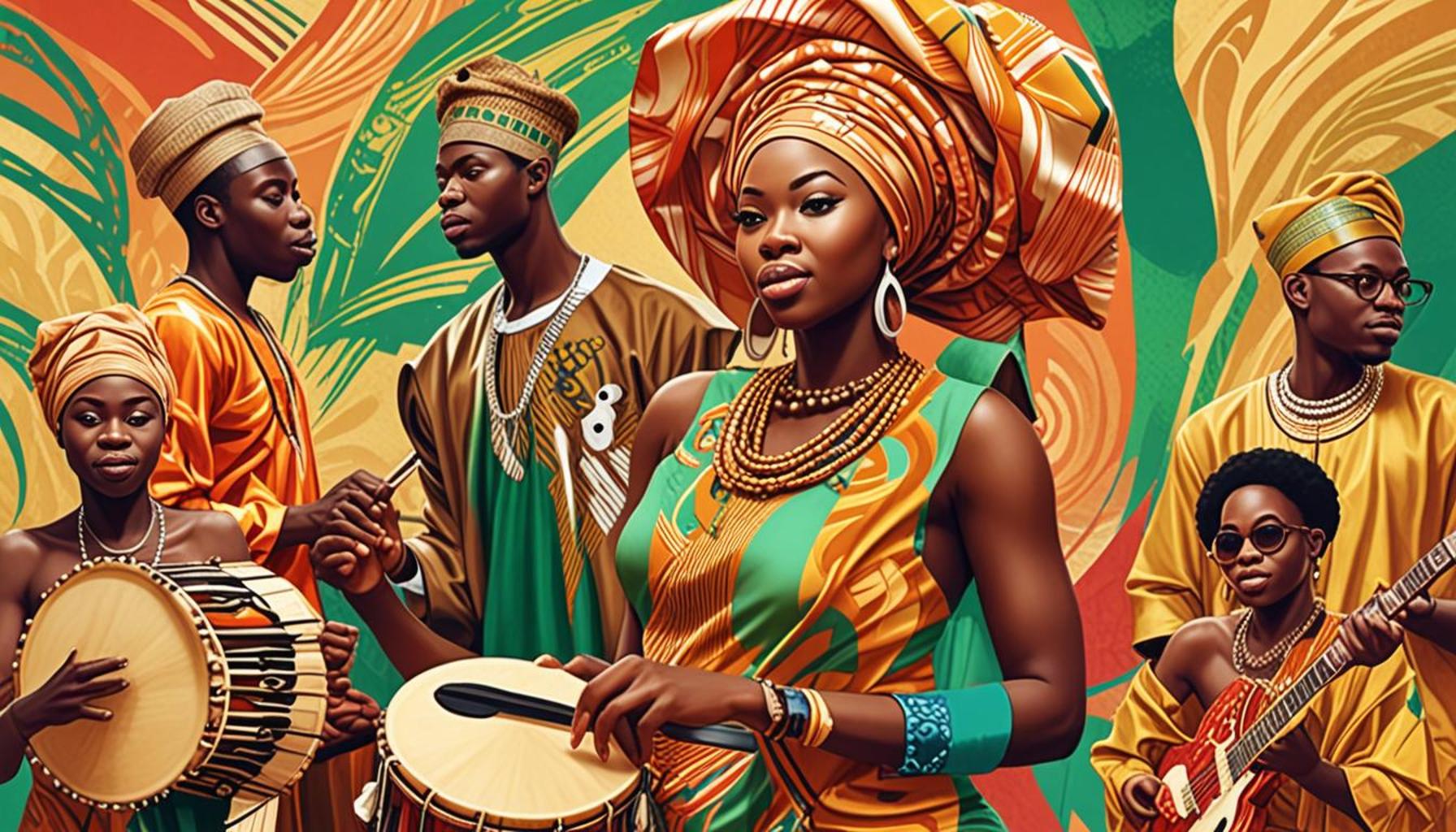
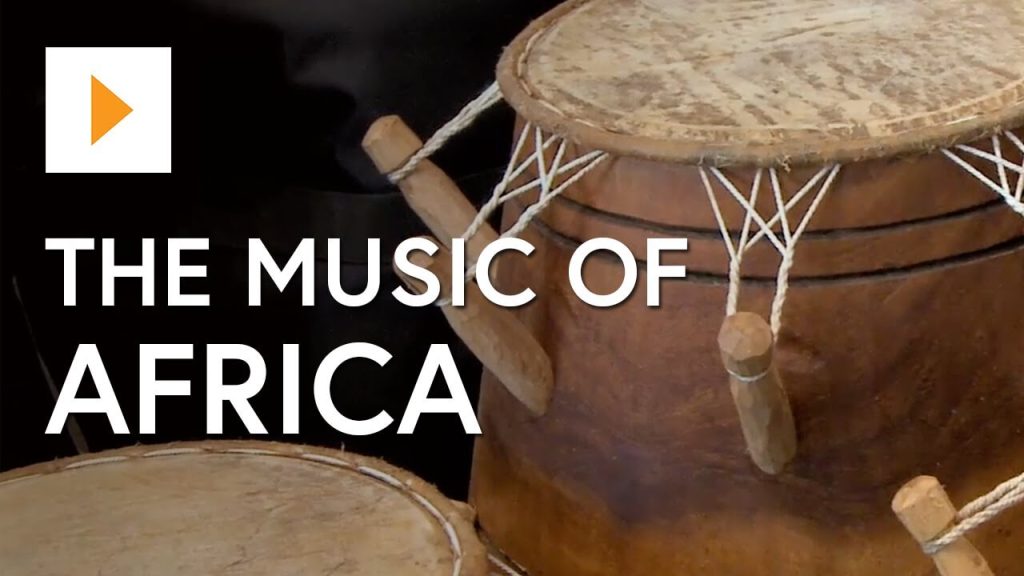
- Instruments: The use of drums, such as the djembe and talking drum, plays a vital role in Nigeria’s music. The talking drum, in particular, has the unique ability to mimic human speech, enabling musicians to communicate messages through rhythm. This instrument’s mastery is crucial in various cultural ceremonies, from weddings to festivals, thus influencing artists who integrate its sound into contemporary genres.
- Rhythmic Patterns: The complex polyrhythms found in traditional Nigerian music have become integral to modern genres such as Afrobeat, a fusion pioneered by legends like Fela Kuti. These intricate layers of rhythm challenge musicians to innovate, leading to explosive and engaging performances that resonate with audiences globally.
- Cultural Themes: Modern lyrics often reflect pressing social issues, justice, and identity, mirroring traditional storytelling techniques. Artists leverage their platforms to address contemporary challenges—such as government corruption or societal inequalities—rooted in traditional narratives that have long sought to educate and empower communities.
Cross-Generational Fusion
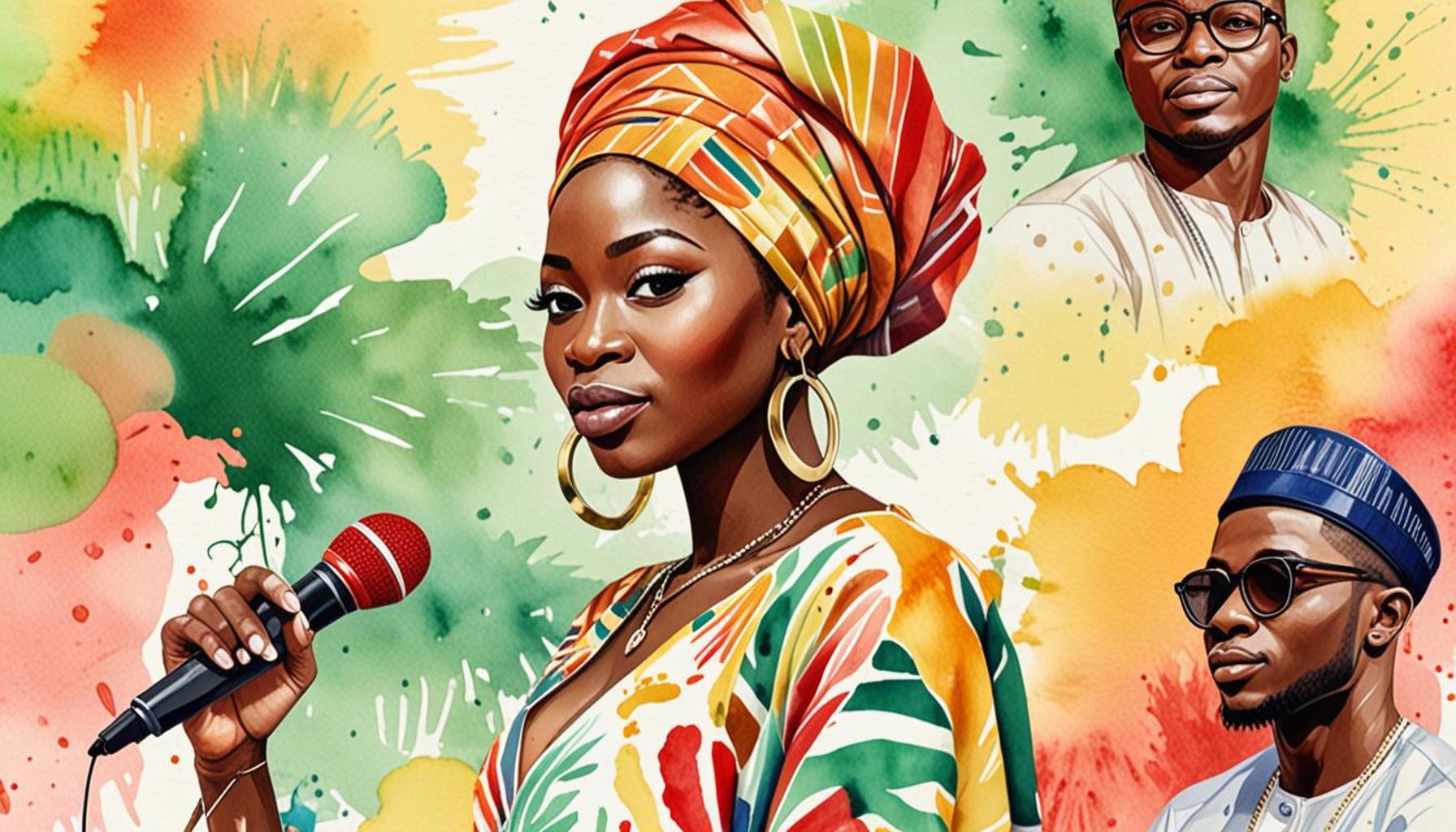
Nigerian musicians are increasingly blending traditional elements with global music styles, highlighting an exciting cultural cross-pollination. The rise of genres like Afrobeats showcases this fusion, captivating audiences both locally and internationally. Artists such as Burna Boy and Tiwa Savage exemplify how traditional rhythms and modern beats coexist beautifully. Burna Boy’s music, infused with the sounds of the talking drum alongside contemporary hip-hop elements, has not only found resonance in Nigeria but has also gained significant traction on international charts.
This evolution does not shy away from its roots; instead, it honors them while paving the way for future music exploration. The participation of younger artists further ensures the survival of these rich traditions. With platforms like social media, new musicians can introduce traditional melodies to fresh audiences, weaving a continuous thread from historical artistry to contemporary expressions.
As we delve deeper into this fascinating intersection, we uncover the richness of Nigeria’s musical heritage and its enduring legacy in the modern musical scene. The influence of traditional melodies continues to serve as a reminder of the importance of story and culture in music, and its evolution is a testament to the resilience and creativity of the Nigerian people.
YOU MAY ALSO LIKE: Read read another article
The Legacy of Traditional Nigerian Music in Contemporary Sounds
The legacy of traditional Nigerian music extends far beyond its historical confines, permeating various facets of modern musical activities. This rich tapestry of sound is woven into the fabric of contemporary genres, profoundly influencing artists, producers, and music lovers alike. By examining the elements that characterize traditional music, one can truly appreciate its transformative power in shaping today’s musical landscape.
Cultural Significance and Preservation
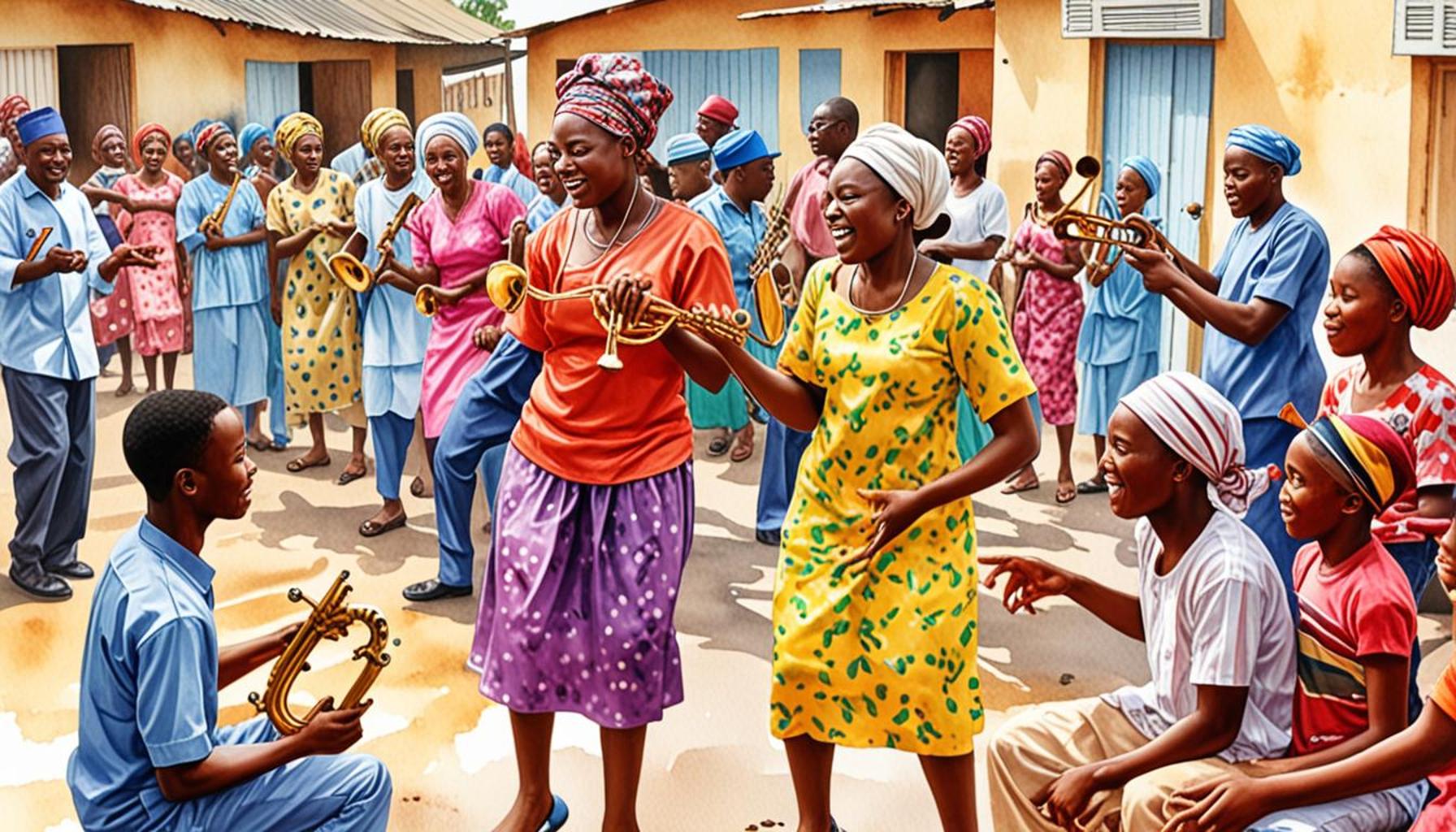
At its core, traditional Nigerian music is a repository of history and cultural identity. It plays a crucial role in celebrations, rituals, and storytelling, with each region showcasing its unique rhythms and melodies. The impact of these traditions can be seen in a variety of ways:
- Identity Formation: For many artists today, traditional music serves as a means to explore and express their cultural identities. By incorporating indigenous sounds and lyrics that reflect their heritage, musicians create a unique blend that resonates with both local and global audiences.
- Educational Tool: Several contemporary artists use their music as a platform to educate listeners about the importance of preserving Nigeria’s rich culture and customs. Songs that incorporate traditional languages, proverbs, and folklore not only celebrate Nigerian heritage but also serve as a powerful reminder of its value in modern times.
- Community Engagement: Traditional music has a communal aspect that modern genres often echo. Musical collaborations between seasoned traditional musicians and contemporary artists foster cross-generational dialogue, uniting audiences in shared experiences that embody communal ties and connections.
The Rise of Collaborations and Genre Blending
One of the most exciting developments in the modern musical landscape is the surge of collaborations between traditional musicians and contemporary artists. These partnerships often breathe new life into age-old melodies, revitalizing them for a new audience. For instance, the collaboration between traditional folk musicians and modern jazz or hip-hop artists exemplifies how these diverse art forms can coalesce to create something entirely unique. This fusion not only broadens the appeal of traditional sounds but also integrates them into the global music scene.
Moreover, genres like Afrofusion combine elements from traditional Nigerian sounds with influences from jazz, hip-hop, and even electronic music, highlighting a vibrant adaptability. This blend of genres allows artists to experiment and innovate while keeping their cultural roots intact. By doing so, contemporary Nigerian music continues to forge a powerful narrative that honors its past while boldly stepping into the future.
As traditional melodies interweave with modern styles, they create a dynamic landscape that invites listeners to explore the intricate connections between Nigeria’s musical ancestry and its present expression. The vibrant interplay between these elements showcases the ongoing relevance of traditional music, proving that it is not merely a relic of the past but a living, breathing component of today’s cultural identity.
The Influence of Traditional Nigerian Music on Modern Musical Activities
Nigerian music has undergone significant transformation over the years, with the enduring influence of traditional sounds shaping not only local artists but also international musical trends. This vibrant cultural heritage continues to resonate through various genres, as contemporary musicians explore its rhythms and melodies to create innovative compositions. The infusion of traditional elements into modern music genres such as Afrobeat, hip-hop, and pop signifies a crucial blend of the old with the new, enhancing the richness of Nigeria’s music scene.
| Category 1 | Category 2 |
|---|---|
| Preservation of Culture | Modern artists incorporate traditional instruments and themes to maintain a connection to their roots. |
| Cross-Genre Innovation | Blending traditional styles with genres like hip-hop leads to innovative musical expressions, broadening audience appeal. |
This fusion not only enriches Nigeria’s musical landscape but also attracts global audiences, drawing attention to the country’s cultural wealth. The rhythmic patterns and unique scales found in traditional Nigerian music encourage new generations of artists to experiment and redefine musical boundaries.
Furthermore, collaborations between traditional musicians and modern artists highlight the vast potential for creativity. Scratch DJs, for example, may incorporate the talking drum into their mixes, adding layers of cultural depth. Such interactions foster a rejuvenation of traditional music, allowing it to thrive in contemporary settings while simultaneously educating listeners about its historical significance.
In essence, the impact of traditional Nigerian music on modern musical activities is not merely a nostalgic echo of the past; it is a vibrant force influencing future musical developments both locally and globally. As artists continue to blend these musical worlds, the possibilities for creativity are boundless.
ADDITIONAL INSIGHTS: Expand your understanding here
Revitalization of Instruments and Rhythms
Another crucial aspect of the influence of traditional Nigerian music on modern musical activities lies in the revitalization of indigenous instruments and the adoption of traditional rhythms. The sounds characteristic of Nigeria’s different regions, such as the talking drum, shekere, and ogene, are being rediscovered and integrated into contemporary music, enhancing the richness of today’s soundscapes.
Instruments in Modern Contexts
In the past, traditional instruments were primarily used in ceremonial settings. However, today’s artists recognize their potential beyond these confines. For example, the marriage of the talking drum with electronic beats in modern pop and hip-hop tracks creates a unique sonic experience that reflects Nigeria’s multifaceted identity. Musicians like Asa and Burna Boy have successfully incorporated traditional instrumentation, allowing both local and international audiences to appreciate this cultural heritage.
Moreover, producers are increasingly leveraging the sounds of traditional instruments to create contemporary beats that resonate with diverse listeners. By sampling traditional rhythms, artists can craft songs that are not only catchy but also carry historical significance. This practice not only celebrates Nigeria’s rich musical heritage but also opens doors to new artistic expressions, promoting the country’s diverse cultures on international platforms.
Traditional Rhythms in Modern Genres
The proliferative influence of traditional rhythms is evident in various modern genres, including Afrobeats, which has transcended national borders and garnered global attention. The genre’s infectious grooves owe much of their essence to the traditional rhythms that originated in Nigeria’s ethnic groups. Such rhythms create a lively pulse that invites dance and celebration, showcasing the communal aspect rooted in traditional music.
Artists like Davido and Tiwa Savage capitalize on this rhythmic foundation, encouraging audiences to engage physically and emotionally with their music. The result is a vibrant interaction that not only entertains but also strengthens cultural ties, fostering unity among Nigerians and audiences worldwide. In this sense, modern artists are custodians of traditional rhythms as they adapt them to fit contemporary sensibilities.
Impact on Global Music Trends
The resurgence of traditional Nigerian music properties into contemporary contexts has had a ripple effect on global music trends. Collaborations with international artists are increasingly common, and the infusion of Nigerian sounds into genres like R&B and electronic music speaks volumes about the universality of these traditional elements. International collaborations, such as those between Wizkid and Drake, highlight how traditional sounds can break through cultural barriers, merging two distinct worlds into something truly innovative.
This global influence encourages a more robust dialogue about the value of traditional music, underscoring its role as both an artistic expression and a foundation for contemporary pop culture. As modern musical activities continue to evolve, traditional Nigerian music stands as a testament to the country’s rich artistic heritage and its invaluable contributions to a worldwide audience.
LEARN MORE: This related article may interest you
Conclusion: The Enduring Legacy of Traditional Nigerian Music
In conclusion, the influence of traditional Nigerian music on modern musical activities is both profound and transformative. Through the revitalization of indigenous instruments and the incorporation of traditional rhythms, contemporary artists are not only preserving cultural legacies but are also shaping a new musical landscape that resonates globally. The emergence of genres like Afrobeats showcases the robust interplay between historic sounds and modern creativity, inviting audiences across the world to engage with Nigeria’s rich cultural mosaic.
As artists like Burna Boy and Tiwa Savage continue to weave traditional elements into their work, they serve as agents of cultural exchange, fostering unity and understanding amidst diverse audiences. The global collaborations with established international musicians further highlight the ability of traditional sounds to transcend borders and appeal universally, bridging the gap between distinct cultural expressions.
Moreover, as the global music scene evolves, the incorporation of traditional Nigerian music serves as a reminder of the importance of cultural heritage within the contemporary artistic narrative. This ongoing dialogue not only ignites curiosity about Nigeria’s rich musical history but also encourages a deeper appreciation for the innovative ways traditional elements can enhance modern musical experiences. Moving forward, it is crucial to support the preservation of these rich musical traditions, ensuring they continue to thrive in modern contexts while inspiring future generations of artists.