The Relationship Between Oral Literature and Artistic Expression in Nigerian Communities
The Role of Oral Literature in Nigeria’s Cultural Landscape
Nigerian communities are a tapestry of vibrant narratives, intricately woven to connect past generations with the present. At the heart of this rich cultural fabric lies oral literature, a formidable force that shapes various artistic forms and expressions. This oral tradition encompasses not just stories, but also poetry and music, creating an avenue for cultural expression and reflection. The interrelationship between these art forms nurtures an inherent respect for both tradition and creativity, fortifying individual and communal cultural identities.
Oral literature serves as a reservoir of knowledge and ethical values, communicated through the skillful artistry of storytelling. Notably, the practice of storytelling flourishes in many Nigerian communities where elders, revered for their wisdom, engage younger generations through captivating tales. These narratives often unfold with profound moral lessons, imparting wisdom about community values, social responsibilities, and local history. For instance, the popular Yoruba folktale of “The Tortoise and the Birds” teaches lessons about cleverness and the consequences of deceit, encapsulating the essence of moral teaching through engaging tales. In many cases, such stories are shared during communal gatherings, enhancing social bonds among participants of all ages.
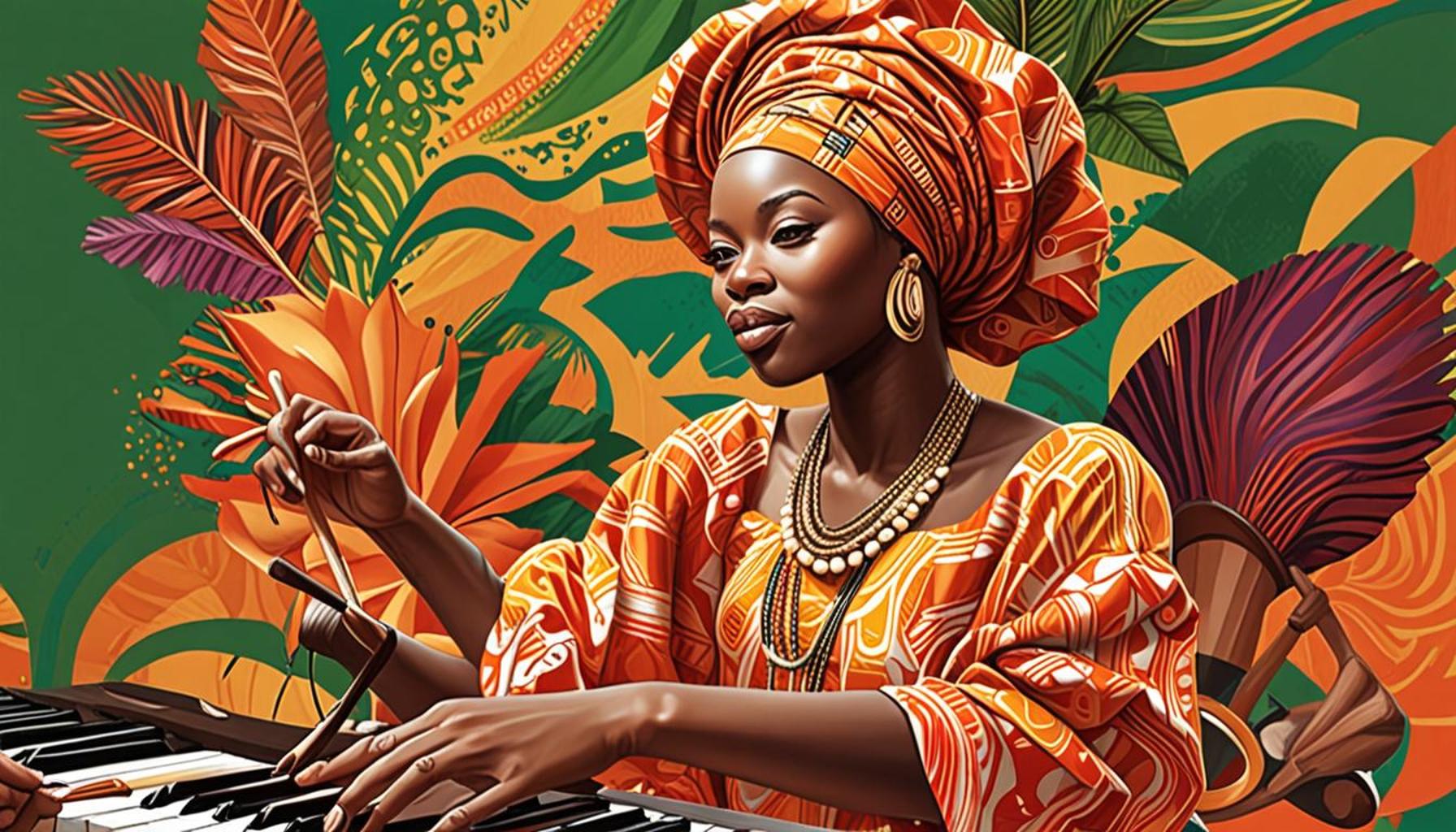
Furthermore, music in Nigeria seamlessly incorporates oral traditions through traditional songs that feature verses derived from these timeless folktales. Genres such as Highlife, Juju, and Afrobeat often weave narratives into their lyrics, drawing listeners into a narrative experience that elevates the musical journey. Traditional festivals, such as the Eyo Festival in Lagos, showcase this marriage of music and storytelling, where songs narrate the histories and heritage of the Yoruba people, echoing the celebrations of life and ancestral reverence.
The synergy of oral literature is also profoundly reflected in theatre. Contemporary theatre productions frequently adapt oral narratives, bringing age-old stories to life for modern audiences. The works of acclaimed Nigerian playwrights like Wole Soyinka and Biyi Bandele often incorporate themes and narratives rooted in oral history. This adaptation not only preserves cultural heritage but also lends relevance to these stories within today’s sociopolitical context, fostering discussion and reflection among diverse audiences.
As oral literature continues to evolve, it remains crucial in addressing current societal issues while staying intertwined with its historical roots. This dynamic dialogue between the past and the present enriches the cultural landscape of Nigeria, showcasing the resilience of its narratives. By exploring the intricate relationship between oral literature and artistic expression, we unveil the heartbeat of Nigerian culture—encouraging collective reflection on its enduring significance in our contemporary lives.
SEE ALSO: Click here to read another article
The Nexus of Oral Tradition and Artistic Expression
In the vibrant landscape of Nigerian culture, the connection between oral literature and various forms of artistic expression is not merely incidental; it is foundational. This synergy creates a rhythmic pulse that resonates throughout the nation’s artistic scene, influencing everything from music to theatre, and ultimately shaping the cultural identity of diverse communities. Understanding this relationship involves exploring how oral traditions serve as the backbone for artistic endeavors and, in turn, reinforce the storytelling heritage that is quintessential to Nigerian society.
At the heart of this relationship lies the importance of language. Nigerian communities boast a multitude of languages and dialects, each with its specific oral traditions that enrich local narratives. For instance, the Igbo’s epic tales of literary heroism not only inspire but also help maintain a sense of unity among the community. When these narratives are transformed into musical compositions, they reflect the intricate linguistic nuances that elevate both the story and the song, creating an engaging experience for audiences. Traditional instruments, such as the talking drum, further enhance this connection, acting as a vocal counterpart that conveys emotions and rhythm akin to the spoken word.
Moreover, the influence of oral literature on visual arts cannot be overlooked. Many artists draw inspiration from local folktales and proverbs, translating complex narratives into striking visual representations. For instance, the renowned Nigerian painter Ben Enwonwu integrated themes from oral stories into his artwork, portraying characters and scenes that resonate with cultural heritage. This transformation of narrative into visual expression not only preserves tradition but also invites contemporary dialogue about traditional values, identity, and modernity.
The relationship between oral literature and artistic expression manifests powerfully in communal events. Here are a few notable examples that showcase this dynamic:
- Festivals: Events such as the Osun-Osogbo Festival and the Calabar Carnival serve as epicenters of cultural storytelling, where oral traditions are performed through dance, music, and drumming.
- Story Circles: In many Nigerian villages, communal storytelling sessions engage audiences of all ages, strengthening societal bonds and encouraging participation in local cultural narratives.
- Theatre Performances: Productions such as the National Troupe of Nigeria often adapt tales from oral traditions, captivating audiences and providing a platform for cultural exchange.
This interconnectedness reveals a unique cultural resilience, allowing Nigerian communities to preserve their stories while embracing modern influences and expressions. Therefore, as one delves deeper into the relationship between oral literature and artistic expression, the vitality of Nigeria’s cultural tapestry becomes more apparent, revealing not only historical significance but also ongoing relevance in shaping contemporary narratives and identities. The journey into this relationship unveils layers of meaning and an appreciation for the various artistic forms that continue to be inspired by a long-standing tradition of storytelling.
| Advantage | Description |
|---|---|
| Cultural Preservation | Oral literature serves as a vital tool for preserving the rich cultural heritage of Nigerian communities. Through storytelling, proverbs, and songs, traditions, values, and historical narratives are passed down generations. |
| Community Identity | Artistic expressions, intertwined with oral literature, help to forge a strong community identity. They reflect the unique experiences and collective memories of the people, enriching their social fabrics. |
Oral literature in Nigeria is not merely an art form; it is a dynamic interplay between storytelling and artistic expression. This relationship enhances not just entertainment but also social cohesion and cultural understanding within diverse communities. As traditional performances often draw on the narratives shared in folktales, they amplify the significance of local languages and cultural practices. The vivid imagery and patterns found in oral literature often inspire visual artists, musicians, and poets, creating a rich tapestry where each art form complements the other, leading to innovative expressions that resonate with audiences. Moreover, the influence of oral literature on contemporary art cannot be overstated; artists frequently evoke traditional themes in their work, portraying them through modern mediums that appeal to both local and global audiences. This fusion not only sustains the cultural continuum but also invites new interpretations of age-old stories, encouraging ongoing dialogues about identity, heritage, and community values.As we delve deeper into these connections, exploring specific examples of such artistic expressions and their roots in oral literature, we uncover layers of meaning that reveal the profound impact of storytelling on cultural identity and creative output within Nigerian communities.
ADDITIONAL INSIGHTS: Expand your understanding here
Oral Literature as a Catalyst for Artistic Innovation
The relationship between oral literature and artistic expression in Nigerian communities extends beyond mere representation; it serves as a powerful catalyst for innovation in various art forms. As Nigeria is a melting pot of cultures and traditions, the diverse narratives embedded within oral literature inspire contemporary artists to push creative boundaries while remaining anchored in their cultural roots. From music to dance and fashion, the interplay of storytelling and artistic innovation brings forth a unique tapestry that represents the collective identity of the nation.
One striking example of this artistic synergy can be found in contemporary Nigerian music. Artists like Burna Boy and Yemi Alade frequently incorporate elements of their cultural heritage, including traditional narratives and proverbs, into their lyrics. This fusion not only entertains but also educates listeners about the rich histories and values of their respective communities. For instance, Burna Boy’s hit song “Ye” weaves themes from Yoruba oral traditions, shedding light on social awareness and perseverance, themes prevalent throughout Nigerian folklore. Such artistic expressions bridge the gap between past and present, presenting oral literature in an engaging format that resonates with the youth.
In dance, the influence of oral narratives can be seen in traditional dance forms that narrate stories and convey moral lessons. Dancers in the Eyo Festival display movements that are steeped in historical and cultural significance, each gesture echoing the oral traditions from which they originate. The incorporation of these narratives into dance fosters a connection to the community’s shared history and values, reinforcing the importance of storytelling as a means of preserving identity.
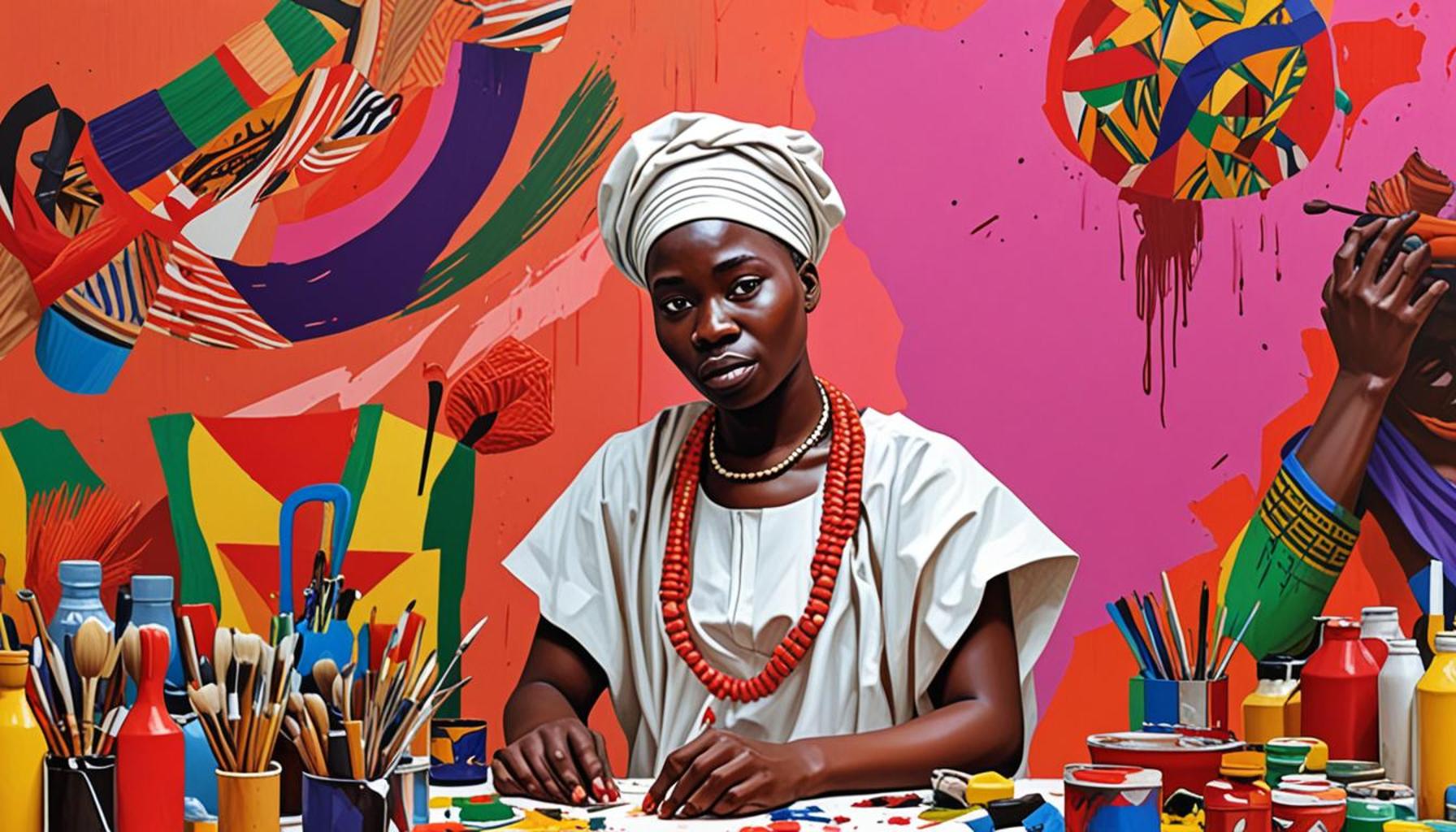
Furthermore, the visual arts in Nigeria present another avenue where oral literature manifests itself creatively. Contemporary artists like Nike Davies-Okundaye have pioneered the use of artistic mediums that translate traditional motifs from oral tales into fabric art and paintings. By employing vibrant colors and intricate patterns that evoke the narratives of their ancestors, these artists honor the past while challenging the perceptions of contemporary art. The incorporation of oral literature in visual arts encourages dialogues about cultural heritage, modernity, and the challenges faced by indigenous communities in a rapidly globalizing world.
- Theater: The Nigerian theater scene, represented by groups such as the University of Ibadan Theatre, has embraced storytelling from oral traditions, often adapting folk tales into stage plays. This approach not only entertains but serves as an educational experience that contextualizes national issues through the lens of time-honored narratives.
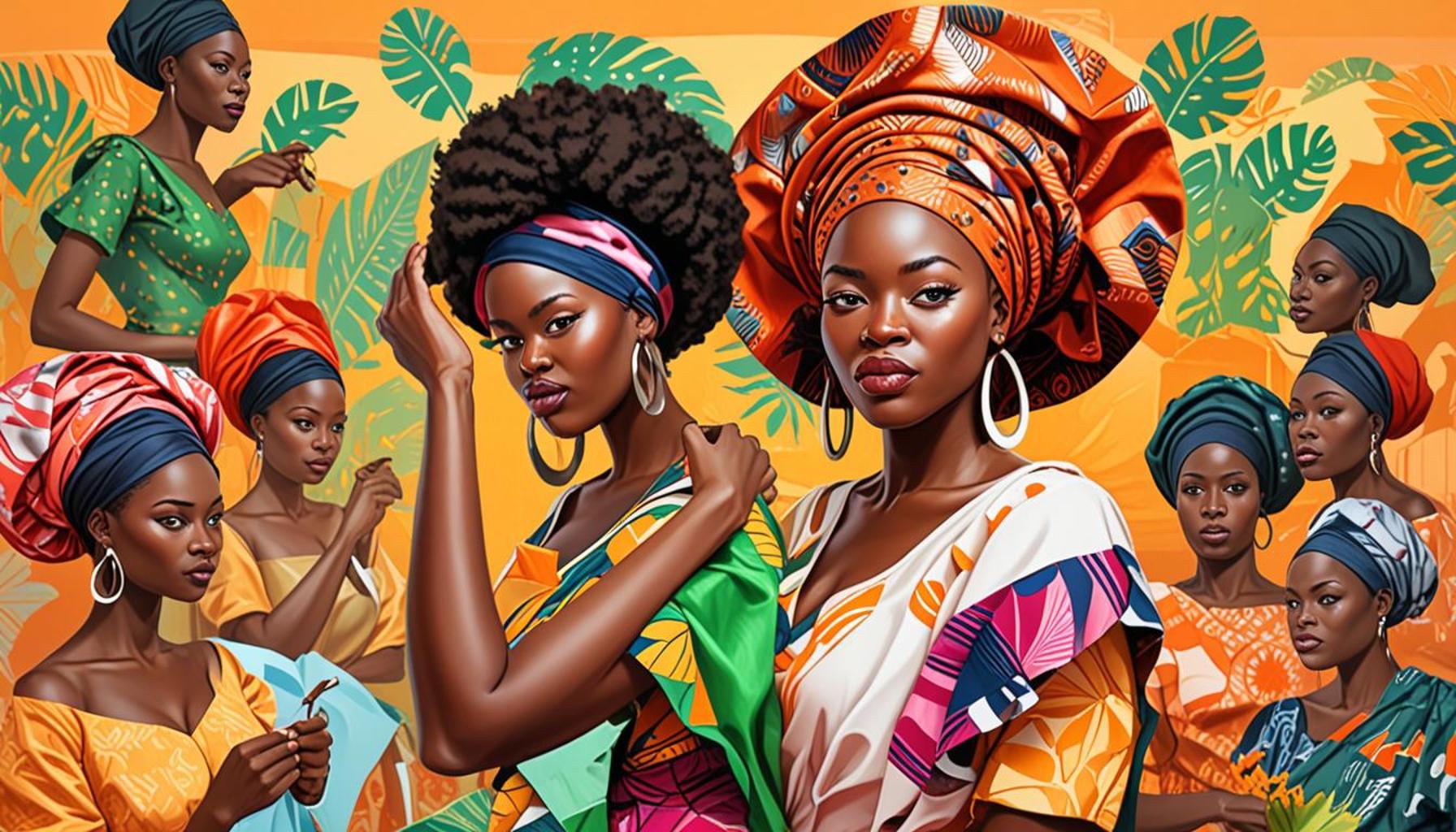
- Fashion: Nigerian fashion designers are increasingly drawing inspiration from oral literature, creating striking pieces that reflect local histories, symbols, and proverbs. This intersection of storytelling and fashion not only celebrates cultural heritage but also sparks global conversations about African artistry.
The integration of oral literature into artistic endeavors acts as a living repository of collective memories and cultural values, ensuring that these narratives continue to thrive. With each new generation, Nigerian artists expand upon these traditions, allowing them to evolve while preserving their significance. By exploring this intricate relationship, we come to appreciate how deeply rooted oral literature is in Nigeria’s artistic expression, serving both as a source of inspiration and a vital link to the past.
ADDITIONAL INSIGHTS: Expand your understanding here
Conclusion: The Enduring Legacy of Oral Literature in Nigerian Arts
In summation, the intricate relationship between oral literature and artistic expression in Nigerian communities represents a vibrant confluence of culture, history, and identity. The enduring narratives passed down through generations not only serve to enrich the various art forms but also breathe life into contemporary expressions that resonate with a modern audience. From the rhythmic beats of Nigerian music that echo traditional tales to the vivid depictions in visual arts that celebrate cultural motifs, oral literature acts as an indispensable source of inspiration, grounding artistic innovation in the fertile soil of heritage.
Moreover, as seen in theater and fashion, oral traditions provide a platform for social commentary and cultural celebration, emphasizing the relevance of storytelling in addressing contemporary issues faced by the nation. Artists become cultural ambassadors, weaving the essence of their communities into their creations, thereby ensuring that collective memories and values are not only preserved but also adapted to meet the tastes and challenges of a globalized society.
As we delve deeper into the significance of oral literature in Nigeria’s cultural landscape, it becomes increasingly vital to acknowledge and support these artistic expressions. They are not merely cultural artifacts but evolving narratives that challenge perceptions and foster dialogue about identity and progress. Thus, the ongoing exploration of this relationship invites us to appreciate the artistic richness that emerges from the intersection of oral literature and creative expression, urging future generations to carry this legacy forward while embracing innovation.